 Vietnamnet.vn

 Podcast



The 14th National Congress of the Communist Party of Vietnam has concluded with the formation of a new Central Committee composed of 200 members.
At its helm remains General Secretary To Lam, reaffirmed with unanimous support. But beyond names and titles, this Congress marks a decisive pivot: Vietnam has declared its intent to leap into a new era of high-speed, high-quality development.
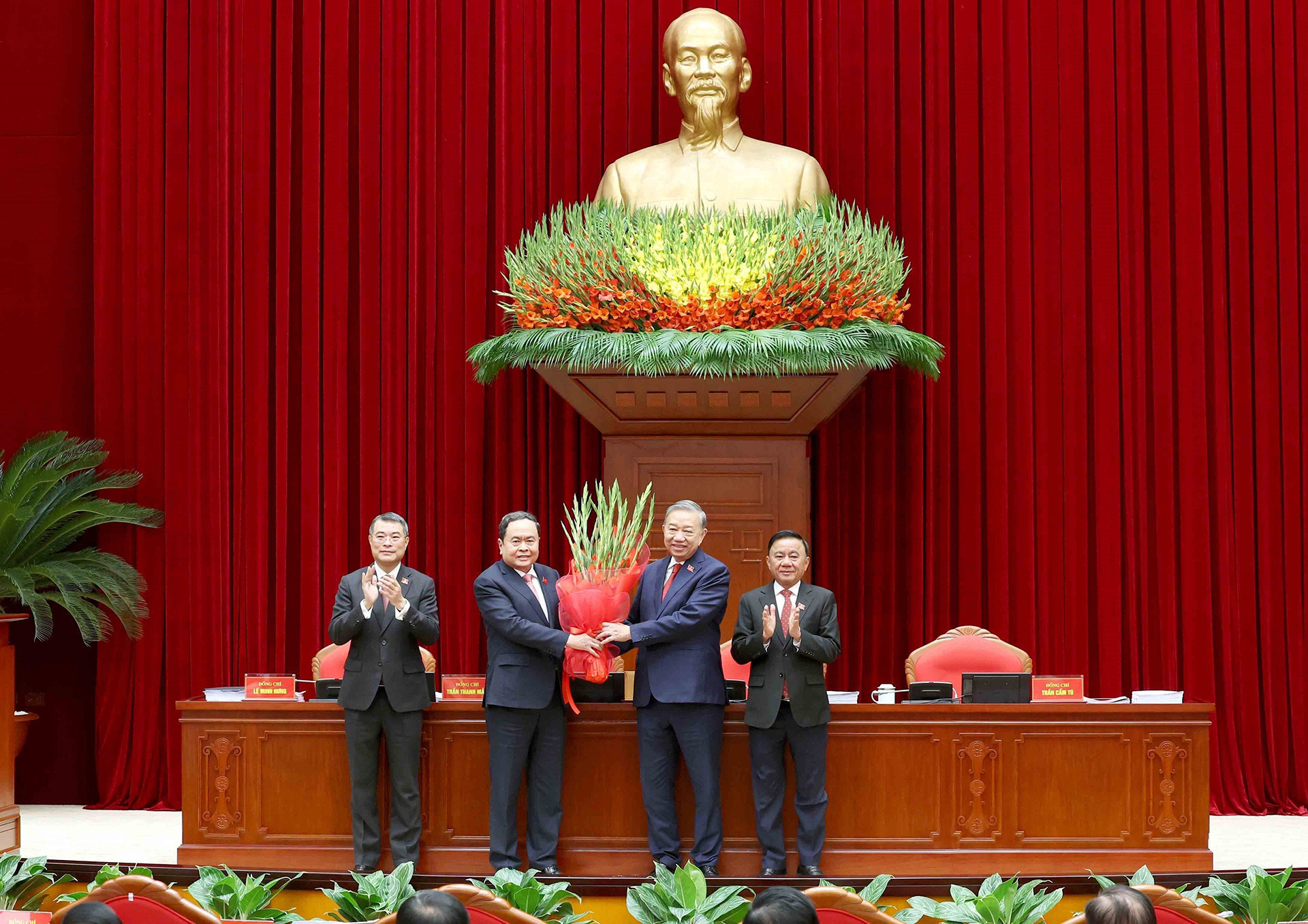
In his closing remarks, General Secretary To Lam spoke plainly of the responsibilities ahead. “We must set the highest standards for ourselves,” he said. “Say what we mean. Do what we say. Do it to the end.” The effectiveness of each Central Committee member, he emphasized, will be judged by one metric: how well they serve the people.
To deliver that promise, the 14th Congress has set an ambitious target: average GDP growth of at least 10% annually between 2026 and 2030. This is more than a number. It is a reflection of Vietnam’s deepening resolve to transition from a middle-income economy to a prosperous one before its demographic advantage fades.
Vietnam’s population is projected to age rapidly after 2036. That gives the country less than a decade to transform its youthful workforce into a driver of productivity, income, and national wealth. If that window is missed, Vietnam risks growing old before it becomes rich.
This urgency unfolds amid an increasingly volatile global landscape. Geopolitical tensions, shifting trade policies, and supply chain realignments are redrawing the map of global commerce. Simultaneously, breakthroughs in AI, digital transformation, and green technology present both immense opportunity and unprecedented demands for adaptability.
The decision to pursue high growth is therefore not reckless-it is strategic. Vietnam is choosing to move fast, while it still can, to lay the foundations for the next stage of its national journey.
The 2026–2030 development targets reflect this shift in mindset. Growth must now be powered by productivity, innovation, science and technology-not cheap labor or untapped openness. That demands not only policy change, but institutional transformation.
Mr. To Lam himself was clear-eyed about the legacy of the previous term. In his address presenting the Congress’s key documents, he acknowledged persistent bottlenecks: institutional gaps, resource inefficiencies, poor infrastructure, weak execution, and social challenges. “We must identify the right problems,” he said, “to deliver the right actions.”
That’s why this Congress places unprecedented emphasis on implementation. Action-not rhetoric-is the only path forward. Every policy must translate into measurable outcomes, with clear timelines and accountable leaders. The satisfaction of citizens and businesses will become a key performance indicator for the public sector.
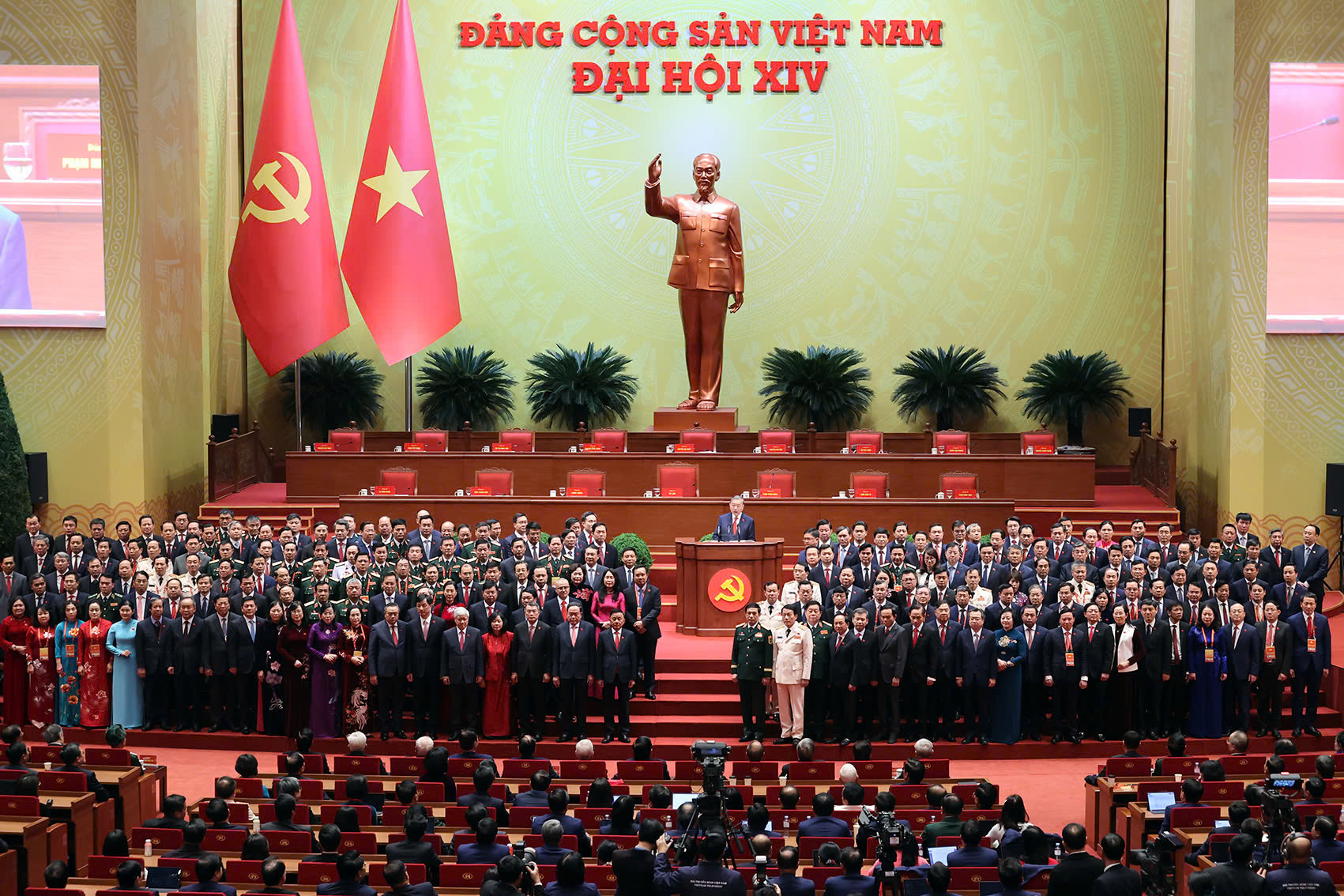
At the core of this approach is a renewed focus on human capital. Cadre management is described as “the key of all keys.” The new leadership vows to assign the right people to the right jobs, judge them by their results and public trust, and ensure a dynamic system where advancement is earned-and poor performance addressed.
This era leaves no room for complacency. Vietnam needs bold, upright, and responsible officials-those who dare to think, act, and take accountability for the common good.
But leadership alone is not enough. The Congress calls on businesses to lead in adopting new technologies, improving productivity, and climbing the value chain. It urges workers, intellectuals, and especially youth to become active participants in shaping Vietnam’s economic future.
The new leadership does not begin from zero. Vietnam enters this phase with rare advantages: political stability, strong national consensus, and growing public confidence in reforms that deliver.
Most importantly, time is still on Vietnam’s side-just barely. The window to capitalize on its demographic dividend is closing. Acting now is not optional. It is existential.
Today’s Vietnamese citizens aren’t satisfied with beautiful numbers in reports. They want change they can feel: fewer bureaucratic hurdles, fairer business environments, better job prospects, higher living standards, and stronger rights.
When such change becomes visible and tangible, growth will no longer be an abstract ideal-it will become a shared societal experience.
Vietnam has stepped into a new era, guided by a new generation of leadership. The road ahead is not without challenges, but the direction is clear. With bold aspirations, clear targets, and an action-first mindset, Vietnam has the opportunity to seize its moment, rise through adversity, and shape its future on its own terms.
Tu Giang
.svg)
