 Vietnamnet.vn

 Podcast



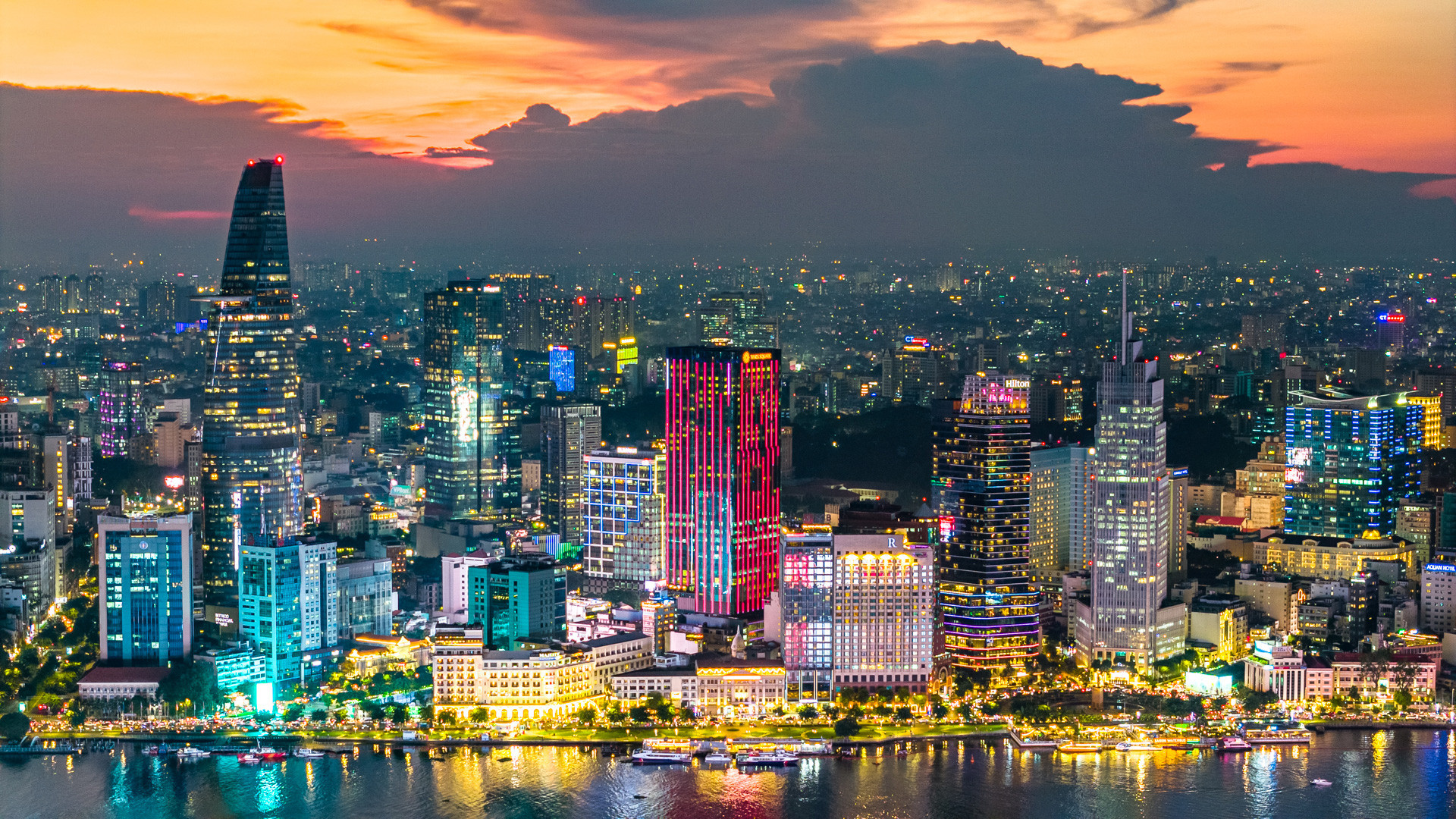
Vietnam’s Gross National Income (GNI) per capita rose to $4,970 in 2025. In 2021-2025, Vietnam’s GNI grew by an average of about 10 percent annually, positioning it among the highest and most stable growth rates in the region, driven by continuous economic expansion and export growth.
In 2024 and 2025 alone, GDP grew by approximately 7 percent and 8 percent, respectively, while exports surged by over 15 percent. These figures demonstrate that the economy is not only growing rapidly but is also shifting toward a more sustainable trajectory.
More important than the economic indicators, however, are the changes that have taken place in people's daily lives.
According to the World Bank, Vietnam is regarded as one of the world's greatest development success stories in poverty reduction. The rate of extreme poverty fell from about 50 percent of the population in the early 1990s to below 1 percent.
Per capita income has risen from less than $700 in the late 1980s to nearly $5,000 today. Tens of millions of people have escaped poverty, secured more stable jobs, gained better educational opportunities for their children, and improved their living standards.
Vietnam's middle class is now growing faster than anywhere else in Southeast Asia. From around 13 percent of the population, it is projected to reach about 26 percent in 2026 and continue expanding in the years ahead.
The middle class is becoming an important driver of domestic consumption and a foundation for economic stability.
Yet with this new stage of development come new questions.
Where lifting people out of poverty was once the country's primary goal, the discussion has now moved beyond how fast GDP or average income is growing.
People are asking whether the benefits of economic growth are reaching their everyday lives, and whether they genuinely feel better off after every paycheck.
That is also why, despite Vietnam's new upper-middle-income status, many people do not necessarily feel more prosperous.
The answer lies partly in the gap between the economy's achievements and the financial resilience of individual households.
Statistics show that the average monthly income of workers reached VND8.4 million in 2025. Compared to before, this income is significantly higher. But after paying for housing, tuition, medical fees, utilities, and essential living expenses, the amount left for savings in many families remains quite modest.
A World Bank study once showed nearly 40 percent of those in the middle class fell back to a lower income group after just two years. That shows Vietnam’s middle class is growing very fast in number, but its accumulation base and resilience to economic shocks remain quite thin.
Another indicator also shows life pressure. In the first five months of 2026, total retail sales of goods and consumer service revenue rose 11.2 percent year-on-year. However, after excluding price increases, real growth was only 6.1 percent.
In other words, a significant part of the additional revenue came from higher prices, while the actual volume of goods and services people bought increased much more slowly.
Most evident is the housing story for young people.
The price-to-income ratio, PIR, in Vietnam is now 23.7–30. In other words, a person would have to devote their entire income for more than two decades, with no other spending, to buy an average-priced home. Meanwhile, property prices have risen about 59 percent in just the past five years.
Vietnam has truly become richer. Per capita income is higher, poverty rate is lower, the middle class is larger, and the economy’s scale is much bigger than before.
But at the same time, many families still feel that financial pressure has not eased much. Not because the economy isn’t growing, but because the cost to maintain a middle-class life, from housing to education to healthcare, is also rising just as fast.
That is the challenge most countries face after crossing the middle-income threshold: how to make growth results show not only in statistical tables but also appear more clearly in each family’s life.
The World Bank’s upgrade of Vietnam is a deserved recognition of the achievements the economy has built over many years. But that milestone will only be truly meaningful when more workers feel that their lives are improving, in line with growth figures.
Lan Anh
.svg)
