 Vietnamnet.vn

 Podcast


Editor's note: To mark Vietnam Culture Day on November 24, VietNamNet presents a three-part series titled New drivers of internal strength and national aspirations.
The series examines a major policy shift toward recognizing culture as a pillar of national development on an equal footing with the economy. It also takes a candid look at the challenges of ensuring public access to cultural activities and explores strategic solutions to unlock creative resources and transform heritage into economic assets in a new era.
Vietnam possesses an immense wealth of tangible and intangible cultural heritage. Yet much of this heritage remains underutilized, with numerous sites and traditions dependent almost entirely on limited public funding for preservation.
Turning heritage into a productive economic asset cannot be achieved through continued reliance on state subsidies or rigid administrative approaches.
Vietnam Culture Day on November 24 should become more than a commemorative occasion. It should serve as a catalyst for policies that support cultural industries, transforming historical and artistic values into commercially viable products with high added value.
Achieving a meaningful breakthrough will require cultural policy to shift from simply celebrating heritage to actively unlocking its potential through four strategic priorities.
Removing institutional barriers and unlocking public-private partnerships
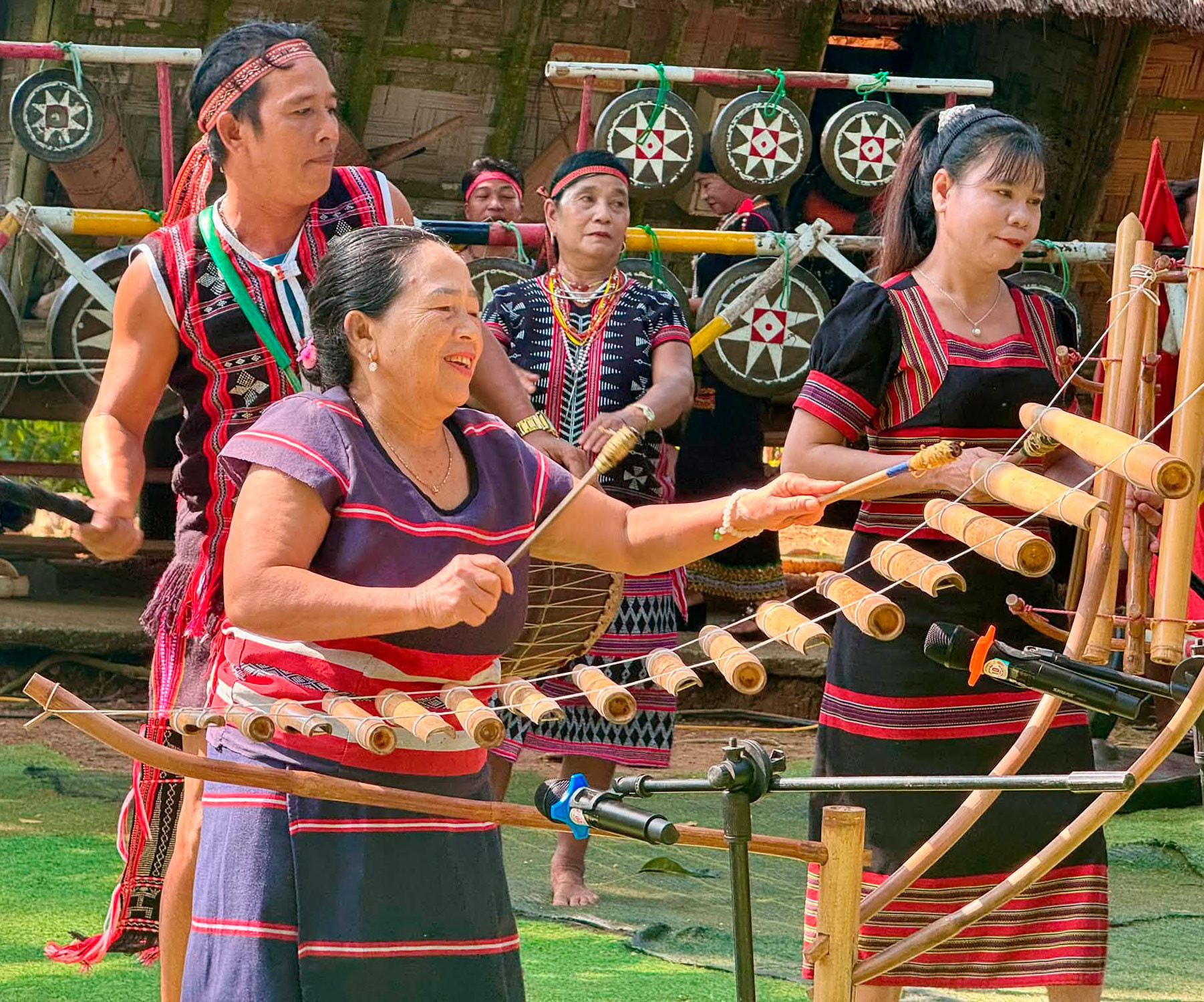
One of the biggest obstacles to realizing the economic potential of Vietnam's cultural heritage is the lack of effective mechanisms for public-private partnerships (PPPs).
Thousands of heritage sites, public theaters and museums face shortages of investment capital for modernization and lack market-oriented management practices.
Meanwhile, major corporations, private investors and independent creative organizations possess substantial financial resources, commercial expertise and modern technology, but often encounter legal barriers when seeking to participate in cultural projects.
Unless regulations governing public assets and profit-sharing arrangements are reformed, Vietnam risks leaving considerable private-sector resources untapped.
November 24 could serve as an opportunity to experiment with new institutional models, allowing the government to pilot management concessions and joint public-private investment in creative spaces.
Digitizing heritage to bring traditional culture into the digital age
No creative industry can afford to remain outside the technological revolution.
Preserving heritage today can no longer be limited to museum display cases or archival documents. It must increasingly involve digital technologies such as 3D modeling, artificial intelligence (AI) and virtual reality (VR).
Vietnam Culture Day offers an opportunity to bring national treasures, traditional folk songs and heritage spaces onto digital platforms.
Such initiatives would allow younger generations, particularly Gen Z and Gen Alpha, to engage with traditional culture in more interactive ways while opening access to the global market for digital cultural products.
Digital transformation could provide one of the most direct routes for Vietnamese culture to compete more effectively in the international online environment.
Stimulating cultural participation through vouchers and incentives
For Vietnam Culture Day to become a meaningful part of everyday life, People's Artist Vu Ngoan Hop has proposed that the government act as a coordinator, introducing practical support mechanisms to encourage wider participation.
One proposal is a nationwide "Open Doors" initiative, under which public cultural, artistic and sports institutions would simultaneously open their facilities and organize programs for the public, either free of charge or with government subsidies.
Another proposal is the introduction of cultural vouchers for schoolchildren, university students and workers in industrial parks.
These government-funded vouchers could be used to purchase books, attend artistic performances and access other cultural experiences.
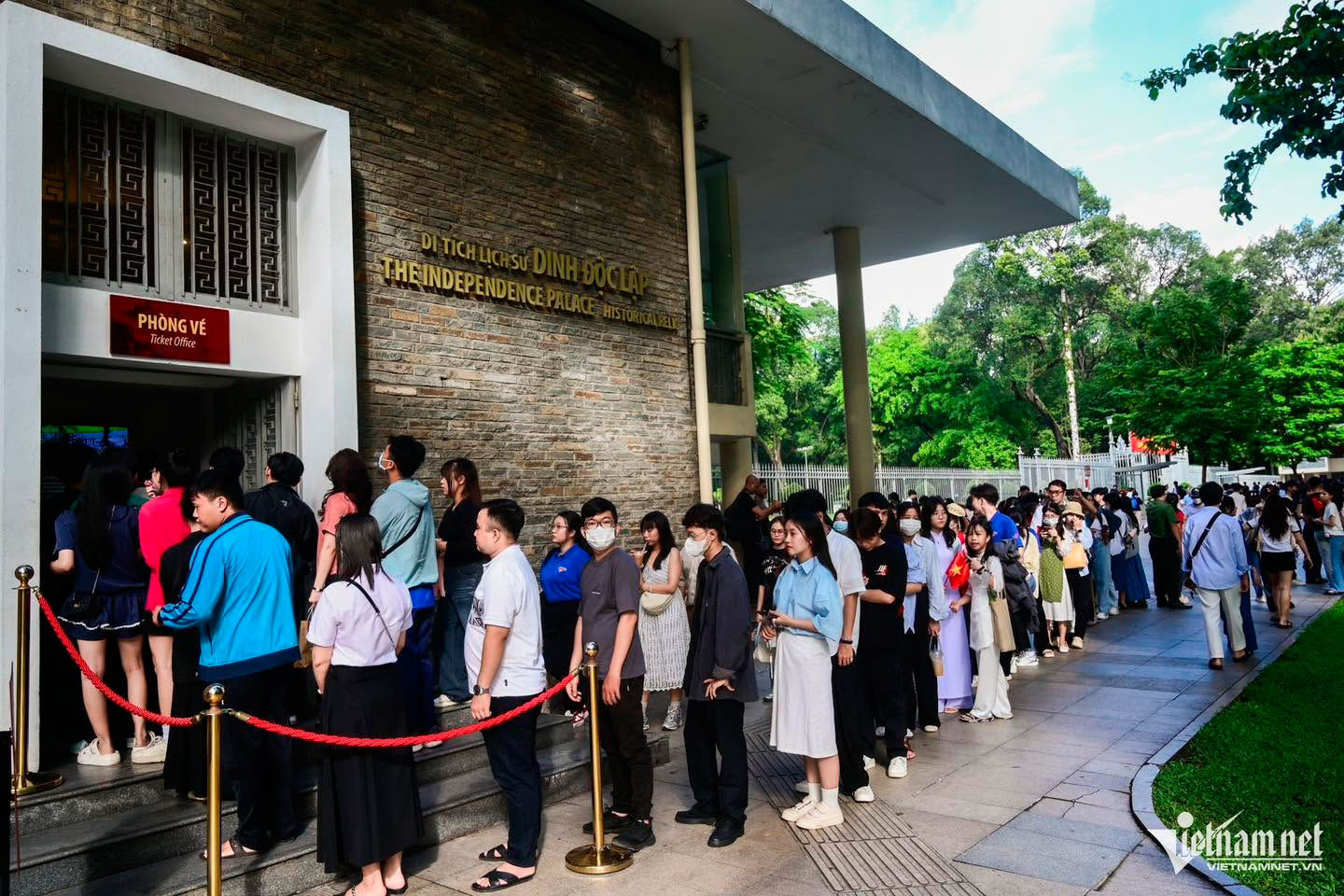
The scheme would serve two purposes: making cultural activities more affordable for ordinary people while providing direct support to artists, cultural organizations and creative businesses.
Hop also called for tax incentives to encourage private-sector involvement in cultural activities.
Under such a mechanism, companies sponsoring or organizing free community cultural events could receive tax reductions or deduct eligible sponsorship and event expenses from their corporate income tax obligations, subject to clear and transparent rules.
Hop, Vice Chairman of the Vietnam Association for Corporate Culture Development, believes Vietnam Culture Day could eventually grow into an annual International Culture and Creativity Week.
He envisages November 24 becoming a recognizable international tourism and cultural brand, bringing together film festivals, creative industry fairs, heritage fashion weeks and regional cultural economy forums.
Countries such as France and South Korea have used cultural activities and creative industries to strengthen their national brands and international influence.
A nation's soft power, he argued, is reflected in its ability to spread cultural values and extend the reach of its cultural products beyond its borders.
Hop emphasized that culture is fundamentally rooted in voluntary participation and national pride.
When the government creates attractive policy frameworks and businesses provide opportunities for creativity, people will naturally become more involved in cultural life.
Under this vision, November 24 would no longer be an isolated annual celebration. It would become a recurring occasion that reminds Vietnamese people of their cultural identity and encourages them to experience culture as part of everyday life.
Removing institutional constraints could allow Vietnam's centuries-old heritage to become a lasting source of strength, helping the country enter a new era of development while preserving its distinctive identity and strengthening its position in the global cultural landscape.
Vietnam prepares to launch a national digital culture map
Vietnam is also taking practical steps to make cultural activities more accessible to the public.
Deputy Prime Minister Pham Thi Thanh Tra recently signed Prime Ministerial Directive No. 35/CT-TTg on organizing Vietnam Culture Day in conjunction with the 2026 National Great Unity Festival.
The directive calls for free or discounted admission and related fees at museums, historical sites, scenic attractions, entertainment venues, and cultural and sports facilities during Vietnam Culture Day and the nationwide series of National Great Unity Culture Week activities.
The Ministry of Culture, Sports and Tourism is preparing several major events, including a National Cultural Conference expected to take place in November.
The ministry is also working with Hanoi authorities to organize a special artistic program celebrating Vietnam Culture Day.
Other planned activities include an exhibition highlighting the development of Vietnamese culture during the country's international integration from 2021 to 2025, along with film-related events.
Cao Le Tuan Anh, Chief of Office at the Ministry of Culture, Sports and Tourism, said the Vietnam Digital Culture Map platform has entered trial operation and is expected to be launched nationwide on November 1.
The platform is designed to work on both desktop computers and smartphones, allowing residents and tourists to search for cultural, sporting and tourism events across the country.
Users selecting locations such as Hanoi, Da Nang, Ho Chi Minh City or Quang Ninh will be able to view information on the number of events, schedules, venues, scale, significance and ticket availability, including whether admission is free or paid.
The platform also integrates direct links to Google Maps, helping visitors plan their journeys to event locations.
According to Tuan Anh, the initiative is intended to do more than provide an online events directory.
"The long-term goal of this digital map is to establish an interactive mechanism connecting the government, citizens and businesses to support the development of cultural industries," he said. "In the immediate term, ahead of November 24, people will be able to find out where events are taking place, whether admission is free or paid, and other essential information."
Tinh Le

