 Vietnamnet.vn

 Podcast



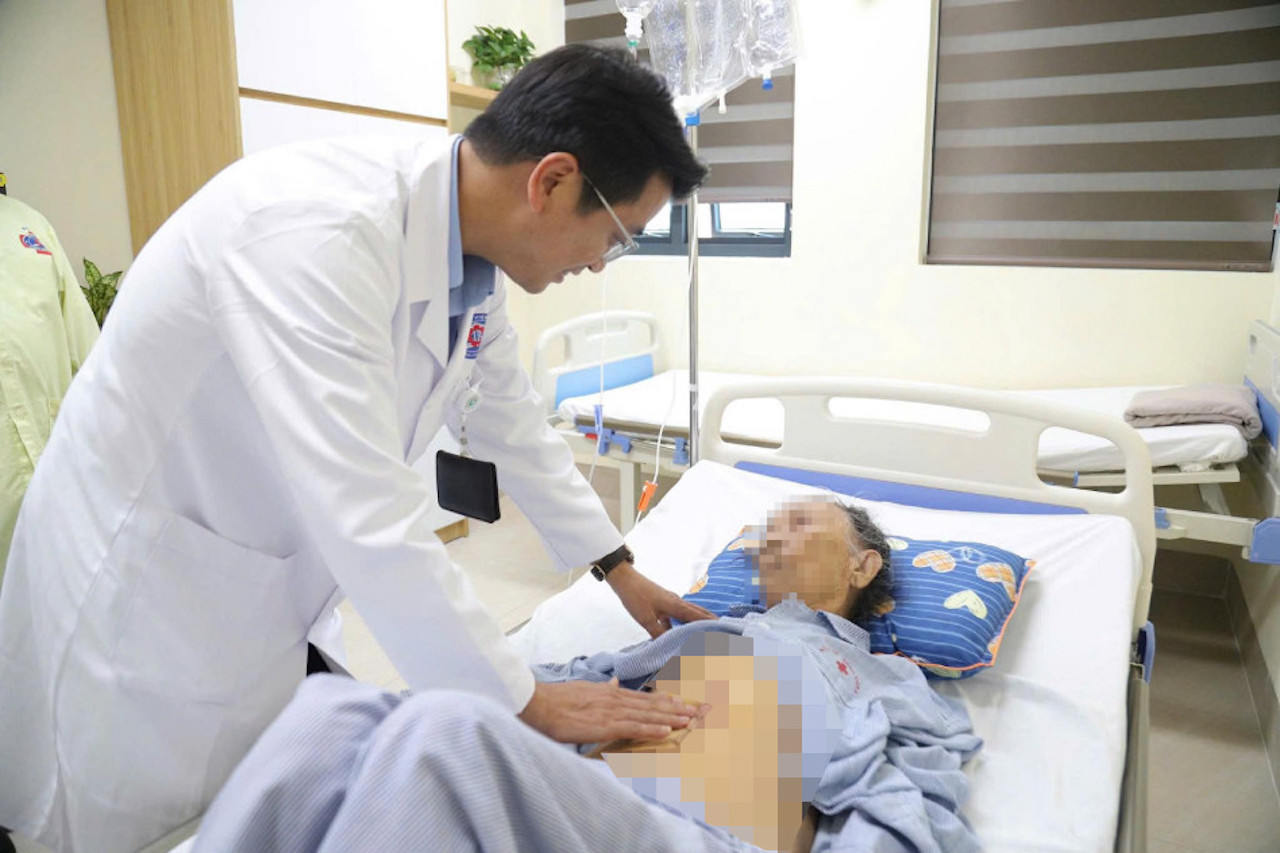
Speaking at a National Assembly session on the draft resolution for healthcare reforms and the national health program for 2026–2035, lawmaker Nguyen Anh Tri from Hanoi suggested that Vietnam should not wait until 2030 to eliminate hospital fees for all, but instead begin offering free treatment sooner for patients facing chronic and costly diseases.
Tri stressed that fee waivers should be rolled out in phases, with the ultimate goal of full coverage by 2030. However, he emphasized the urgent need to support those already struggling with dire illnesses, such as cancer patients on expensive targeted therapies and individuals reliant on dialysis.
“These patients are in urgent need. We shouldn’t make them wait until 2030,” Tri urged.
His comments resonated widely in public discourse, especially amid rising healthcare costs and the heavy financial burden many families face when battling long-term illnesses.
The Ministry of Health confirmed that hospital fee waivers are part of its nationwide “Hospital Fee Waiver Implementation Plan.” The roadmap outlines three stages: 2026–2027, 2028–2030, and post-2030, with full nationwide fee waivers included only in the final stage.
Yet the financial challenge looms large.
In 2024, Vietnam recorded 183.6 million hospital visits, a 5.6% increase from the previous year. Corresponding insurance payouts rose by over USD 720 million, totaling more than USD 5.5 billion.
Dr. Nguyen Khanh Phuong, Director of the Institute for Health Strategy and Policy, noted that even modest adjustments - like increasing insurance coverage for near-poor households and those over 75 to 100% by 2027 - could cost an additional USD 110 million annually.
If full hospital fee waivers are implemented for all by 2030, annual costs could soar to USD 860 million - the equivalent of what Vietnamese patients paid out-of-pocket in 2024.
To sustain such a plan, Phuong said, Vietnam must diversify funding sources and expand revenue streams. This could include raising the health insurance contribution rate from 4.5% to a maximum of 6%, as well as channeling a portion of excise taxes on tobacco and alcohol into the healthcare fund.
While Phuong acknowledged the noble intent behind the proposal, she expressed doubt about its viability in the short term.
“It’s a good idea, but it’s not feasible right now. Even globally, no country has managed to offer free care for these serious conditions universally,” she told VietNamNet.
Still, some lawmakers and health advocates argue that the debate should focus less on "whether" and more on "how" to fund the initiative. Potential sources might include the national health insurance fund, the state budget, earmarked taxes, or special medical aid programs.
The proposed three-phase roadmap by the Ministry of Health includes:
2026–2027: Annual free health checkups and screenings for all; nationwide digital health records; full insurance coverage for the near-poor and citizens over 75.
2028–2030: Reduce out-of-pocket spending to below 30%; expand screening for common diseases; raise insurance coverage to over 95%.
Post-2030: Aim for full hospital fee waivers in the basic healthcare package and expand services as resources allow, supported by a smart multi-tier payment system.
N. Huyen
.svg)
