 Vietnamnet.vn

 Podcast



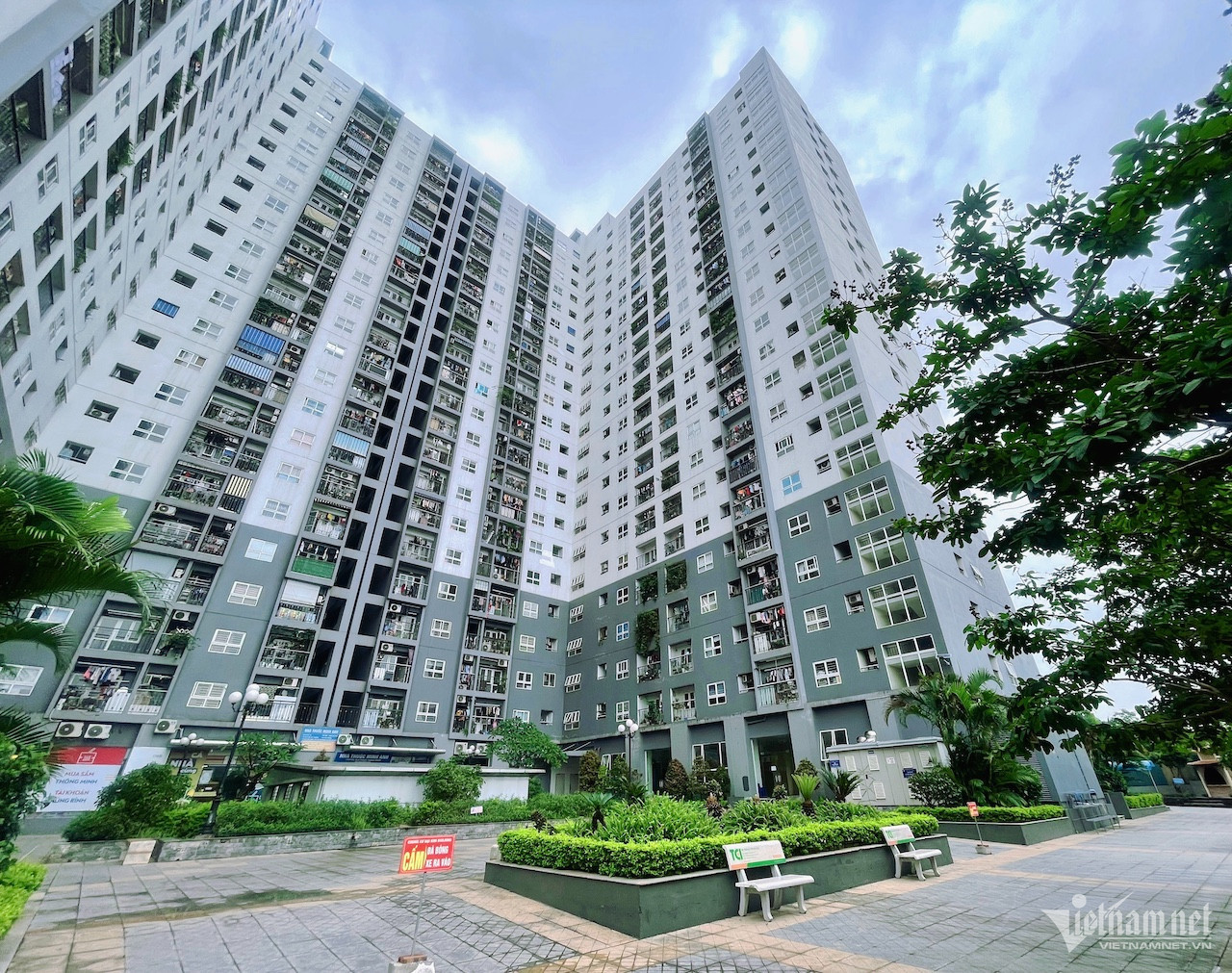
Notably, around 85% of rental housing demand comes from workers and other employees in industrial parks. The figure highlights the scale of demand, driven by urbanization, labor mobility and housing affordability.
However, the Ministry of Construction’s report also noted that the supply of social housing reaching the market has yet to keep pace with demand, with rental housing remaining particularly scarce.
Speaking with VietNamNet, Mai Thi Thao, deputy director of TAT Law Firm, said housing policy needs to take a more diverse view of people’s needs.
“Homeownership remains a legitimate aspiration, but it should not be the only route to stable housing. At different stages of life, people have different financial means and needs, so policy should also provide a wider range of ways to access housing,” Thao said.
According to the lawyer, one notable feature of the draft revised Housing Law is that rental housing development has been established as a separate policy area, covering investment, land allocation, incentives, rents, management and operation.
The change suggests rental housing is no longer being viewed simply as a civil transaction between property owners and tenants, but is beginning to be treated as an integral part of housing development policy.
Thao said that once the state treats rental housing as a distinct policy area, issues involving supply, quality standards, rental prices, lease terms, tenant rights and operators’ responsibilities can be addressed in a more coordinated manner.
“Not everyone needs to buy a home right away, but everyone needs a suitable place to live. Housing policy is truly inclusive only when people who cannot yet afford to own a home can still access safe, stable housing that matches their income,” she said.
The Ministry of Construction’s report points to a shift in Vietnam’s housing policy. Instead of focusing primarily on commercial housing, the country is moving toward the parallel development of commercial and rental housing, with rental properties identified as a strategic, long-term segment serving a broad section of the population.
By 2030, Vietnam aims to meet or exceed its rental housing development targets, significantly reshaping the housing supply structure and establishing rental housing as a strategic pillar.
Thao described this as an important change in thinking. For some people, renting may no longer be merely a temporary solution before buying a home, but a suitable choice for many years. What matters, she said, is that the market can provide quality properties at reasonable rents, with transparent contracts and adequate protection for tenants.
Lack of incentives makes rental projects difficult for developers
In practice, the rental market in major cities is diverse but fragmented, ranging from boarding rooms and small apartments to homes developed by individual landlords. Quality, rental prices and contractual terms vary considerably.
Tenants, meanwhile, are often in a weaker negotiating position when it comes to deposits, lease terms, repairs, rent increases or contract termination, according to Thao.
The Ministry of Construction said one of the current challenges is limited access to supportive credit, while housing projects, particularly rental developments, require large amounts of capital and have long payback periods. State budget resources for social housing development also remain insufficient to meet demand.
Thao said attracting businesses to develop large-scale rental housing projects would require investment mechanisms compelling enough to make such projects commercially viable.
“Rental housing will struggle to develop if businesses are simply called on to participate without appropriate mechanisms for land, capital and financing. At the same time, incentives must be tied to conditions on rents, housing quality, operating periods and tenant protection so that the policy truly reaches its intended beneficiaries,” she said.
Under the Ministry of Construction’s policy direction, Vietnam needs to improve incentives involving land, credit, financing mechanisms and taxes to attract private investment and accelerate the development of reasonably priced rental housing.
Location is another bottleneck. The ministry said many land plots designated for social housing are far from urban centers and industrial parks and clusters, while transport connections remain limited.
The ministry therefore aims to align housing development with land-use, urban, industrial park and transport planning as well as labor market needs, while prioritizing rental apartment projects in major cities and key economic regions.
Rental housing is particularly targeted for development in areas served by transit-oriented development (TOD), urban redevelopment and regeneration zones, and industrial parks with comprehensive infrastructure.
The Ministry of Construction said it has submitted to the government for consideration and approval a resolution assigning social and rental housing development targets for 2026-2030, allowing local authorities to incorporate them into their socioeconomic development targets.
Expanding rental housing has therefore been identified as one of the major challenges for Vietnam’s housing policy in the 2026-2030 period.
Hong Khanh
.svg)
