 Vietnamnet.vn

 Podcast



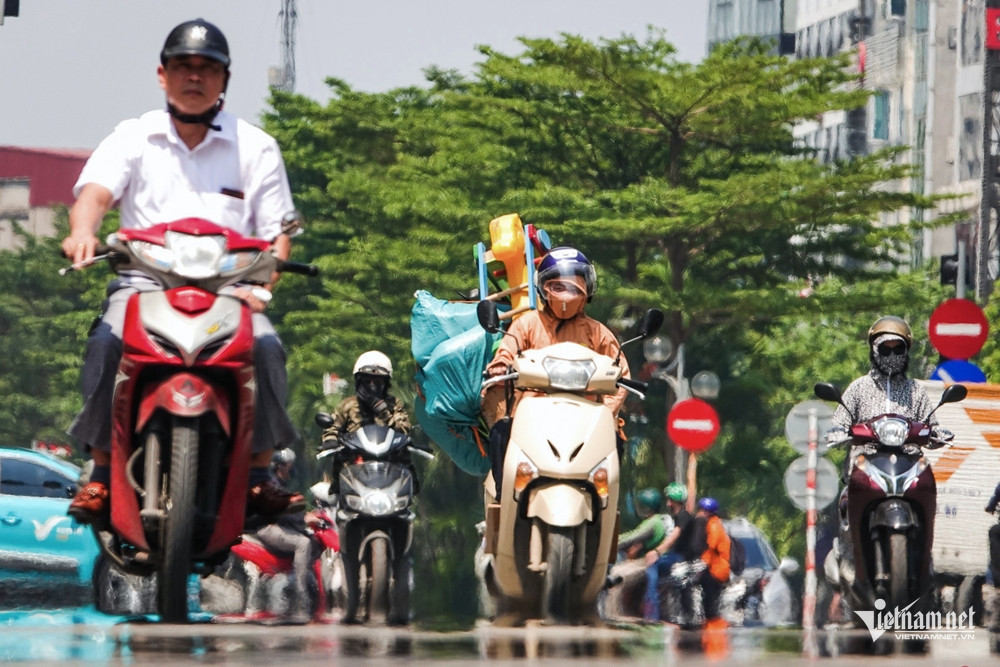
An early and widespread heat surge
Typically, peak heat in Vietnam occurs in May or June. However, 2026 is unfolding differently, with heatwaves arriving earlier and with greater intensity from the very first months of the year.
According to Mai Van Khiem, Director of the National Center for Hydro-Meteorological Forecasting, northern and central regions have experienced heat about two weeks earlier than the long-term average. Since late March, the northwest and areas from Thanh Hoa to Hue have already been exposed to high temperatures.
From April 3, extreme heat expanded from Thanh Hoa to Da Nang, as well as eastern parts of Quang Ngai and Gia Lai, before spreading further across the north. Many monitoring stations have repeatedly recorded temperatures exceeding 40°C.
In southern Vietnam, the first heatwave began in mid-February - around 10 days earlier than usual - and has persisted for nearly a month.
Forecasts indicate that scattered showers and thunderstorms may begin appearing nationwide around April 15-17, helping ease the heat temporarily.
Understanding the causes
Meteorological experts identify three main drivers behind this unusual pattern.
First, the ENSO cycle is gradually shifting toward an El Nino phase. From the second half of the year, the warming phase is expected to dominate, weakening trade winds and intensifying prolonged and extreme heat events.
Second, global climate change continues to push temperatures to record levels. The greenhouse effect has led to the formation of “heat domes” over Southeast Asia, trapping hot air masses over the region for extended periods.
Third, the western low-pressure heat zone has developed more strongly and expanded eastward earlier than usual. Combined with the foehn effect - known locally as the Lao wind - this has driven temperatures sharply higher while reducing humidity.
Nguyen Ngoc Huy, a climate change and disaster warning expert, noted that average temperatures in Vietnam over the past week have been 8-12°C higher than the 1981-2010 average.
In contrast, regions such as Bangladesh and India have recorded temperatures 4-6°C below their historical averages, despite typically being hot during this period.
“This is a clear anomaly in weather patterns, deviating from normal climate behavior, and reflects a climate system increasingly disrupted by global warming,” Huy said.
A summer of potential new records
The summer of 2026 is expected to set new temperature records. According to Mai Van Khiem, April temperatures in northern and central regions may be 1.5-2.5°C higher than the long-term average.
The most intense heatwaves are forecast between May and July, with longer durations and fewer cooling periods caused by cold air intrusions. This raises the risk of reduced rainfall, leading to drought, saltwater intrusion, and severe forest fires.
Experts are urging the public to take proactive measures to protect health and property amid increasingly extreme weather conditions. Outdoor activities should be avoided during peak heat hours from 11 a.m. to 4 p.m. to prevent heatstroke and sun exposure.
In addition, households are advised to use air conditioning responsibly, regularly inspect electrical systems and flammable materials, especially during dry heat conditions, and adjust production and daily routines accordingly.
The early heatwave, while temporary in its immediate intensity, may ultimately serve as a warning signal - a preview of a summer that could test both resilience and preparedness across the country.
Bao Anh
.svg)
