 Vietnamnet.vn

 Podcast



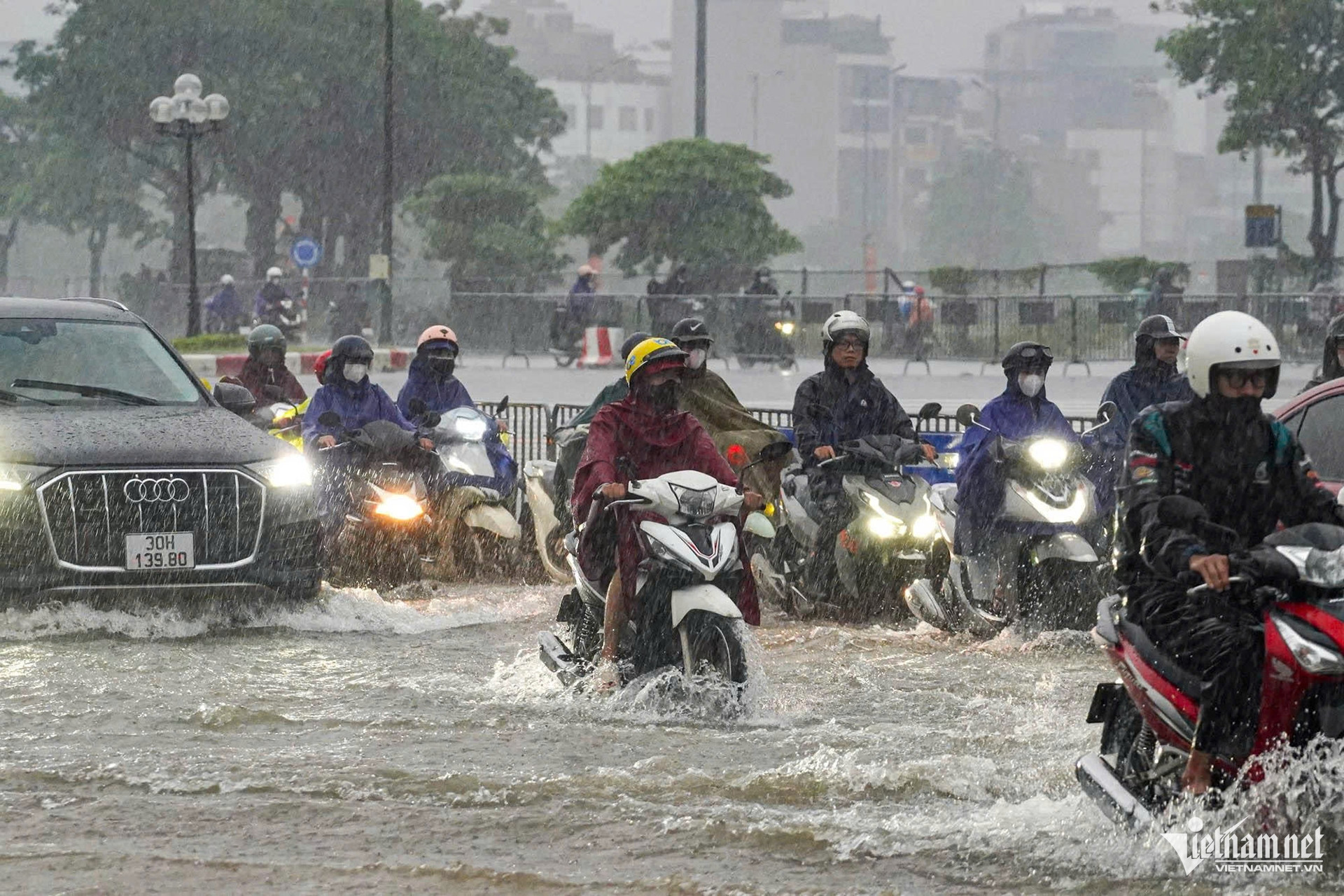
A rare cold air surge has arrived in northern and central Vietnam at the height of summer, while El Nino is forecast to return. Meteorologists warn that heatwaves, rainfall and tropical storms could become increasingly unpredictable in the months ahead.
Rare cold air outbreak arrives after 12 years
June is typically one of the hottest periods of the year across northern and central Vietnam.
This year, however, alongside severe heatwaves that pushed temperatures above 40 degrees Celsius in many areas and frequent afternoon thunderstorms, an unexpected cold air intrusion has appeared - a phenomenon few would associate with the middle of summer.
While unusual, it is not unprecedented.
According to meteorologists, records from the past 35 years, from 1991 to the present, show only seven cold air events occurring in June, averaging just 0.2 events per year. Even more striking, this is the first such occurrence in 12 years.
Weather experts say the trend reflects the growing influence of climate change, as long-established weather patterns become increasingly disrupted and extreme events occur more frequently.
El Nino returns, bringing heat extremes and unpredictable storms
The unusual cold spell is not the only weather anomaly this June.
The month also marks the return of El Nino, the global climate phenomenon that significantly influences weather patterns in Vietnam.
According to meteorological forecasts, El Nino is expected to raise average temperatures by between 0.5 and 1.5 degrees Celsius above long-term norms, increasing both the frequency and intensity of heatwaves.
The possibility of extreme heat events - and even the breaking of historical temperature records - cannot be ruled out in the coming months.
At the same time, although El Nino years typically see fewer tropical storms than La Nina years, meteorologists caution that storms during El Nino periods often follow more erratic tracks and are more difficult to forecast accurately. As a result, their potential danger is not necessarily reduced.
Uneven rainfall distribution is another concern.
The phenomenon could increase the risk of prolonged drought across several regions, particularly the South Central Coast, the Central Highlands and southern Vietnam, areas already vulnerable to water shortages.
Climate change means nothing is impossible
The combination of El Nino and the increasingly visible impacts of climate change is creating a weather outlook that is becoming ever more complex and difficult to predict.
Climate scientists have repeatedly warned that as global warming continues, temperature fluctuations will become more extreme, while natural disasters are likely to occur more frequently and with greater intensity.
Vietnam, with its long coastline and diverse geography, remains among the countries most vulnerable to the impacts of global climate change.
The pattern of sunny mornings followed by heavy afternoon rain, combined with sudden temperature swings from extreme heat to unusually cool conditions, can have significant effects on public health and daily life.
To adapt to a future where weather surprises may become more common, experts say proactive preparation is increasingly essential.
Meteorologists advise limiting outdoor activities between 10 a.m. and 4 p.m. during periods of intense heat, drinking sufficient water, replenishing electrolytes and using appropriate protection when working outdoors.
Older adults, young children and people with underlying health conditions should be monitored more closely during extreme weather events.
Households in drought-prone areas are encouraged to develop water storage plans, while coastal communities and low-lying regions should remain prepared for unusual storm and flood scenarios.
Authorities and residents are also urged to monitor weather forecasts regularly and take timely precautions to protect lives and property.
Bao Anh
.svg)
