 Vietnamnet.vn

 Podcast



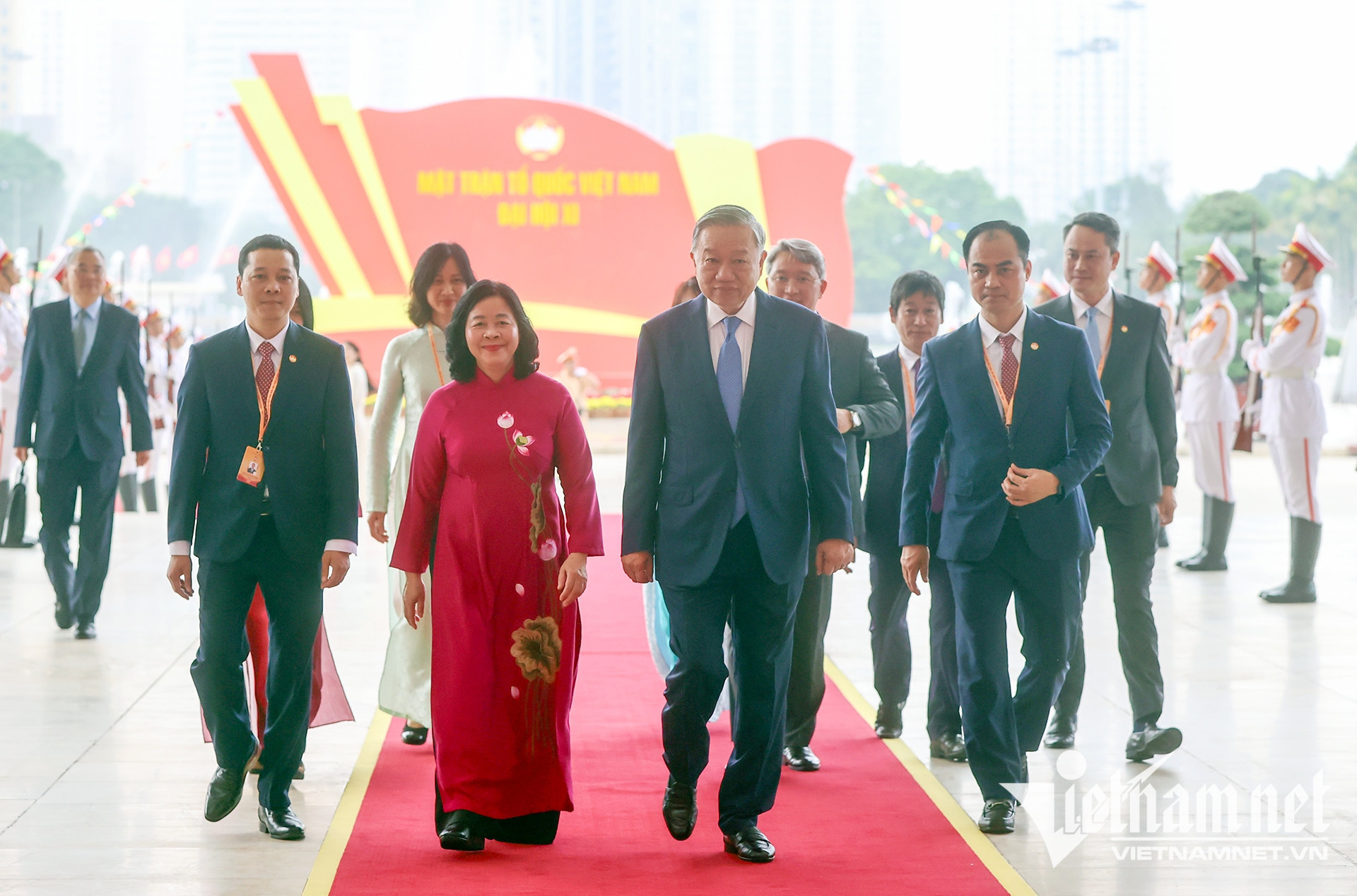
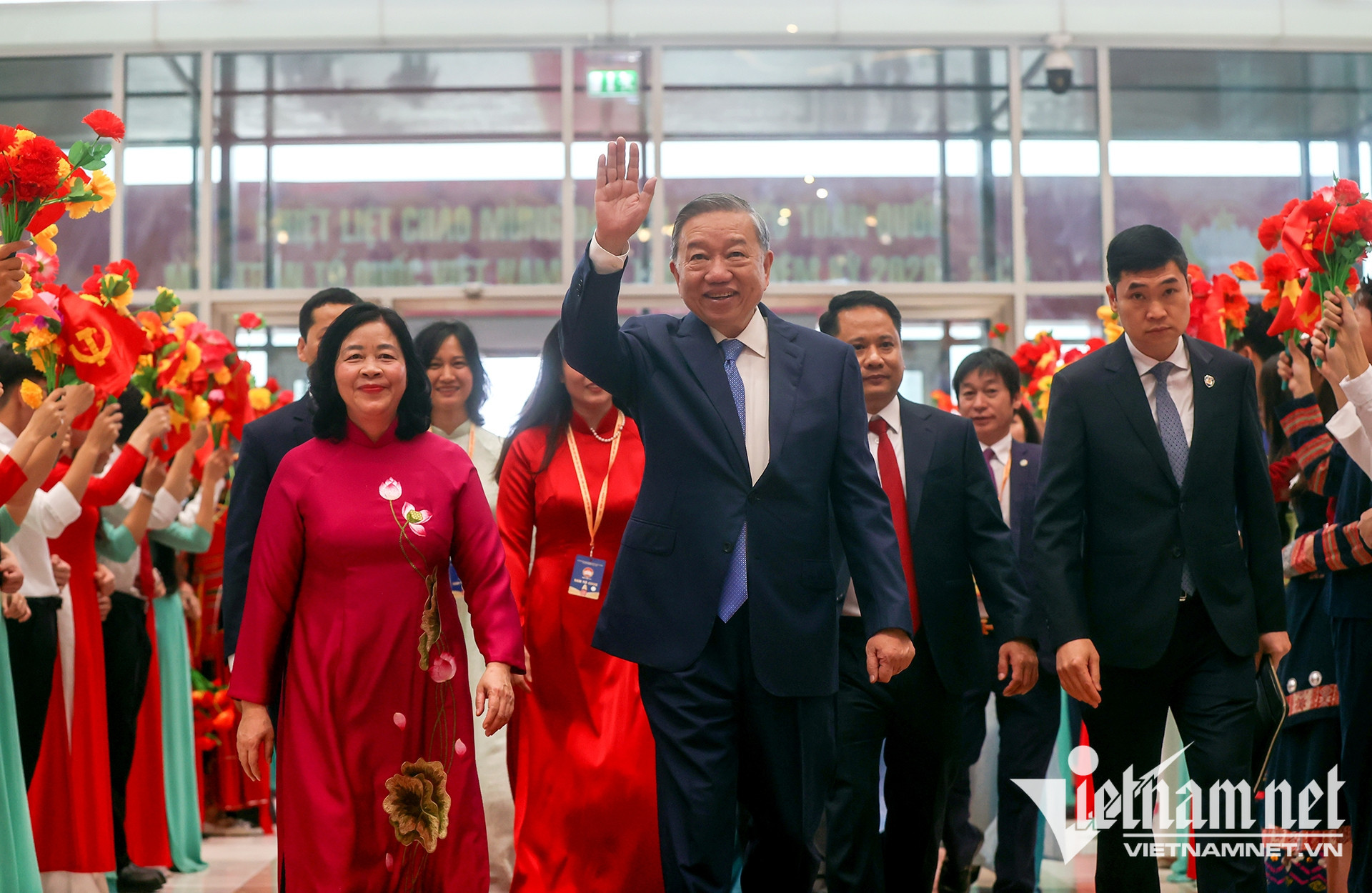
The 11th National Congress of the Vietnam Fatherland Front for the 2026-2030 term officially opened in Hanoi on Tuesday morning, attended by General Secretary and State President To Lam.
The congress is considered a major political and social event following the successful conclusion of the 14th National Party Congress and the election of the 16th National Assembly.
The event marks the beginning of a new term for the Fatherland Front system after the restructuring of political and social organizations, reaffirming its core role in strengthening national unity and contributing to Vietnam’s development goals through 2030 with a vision toward 2045.
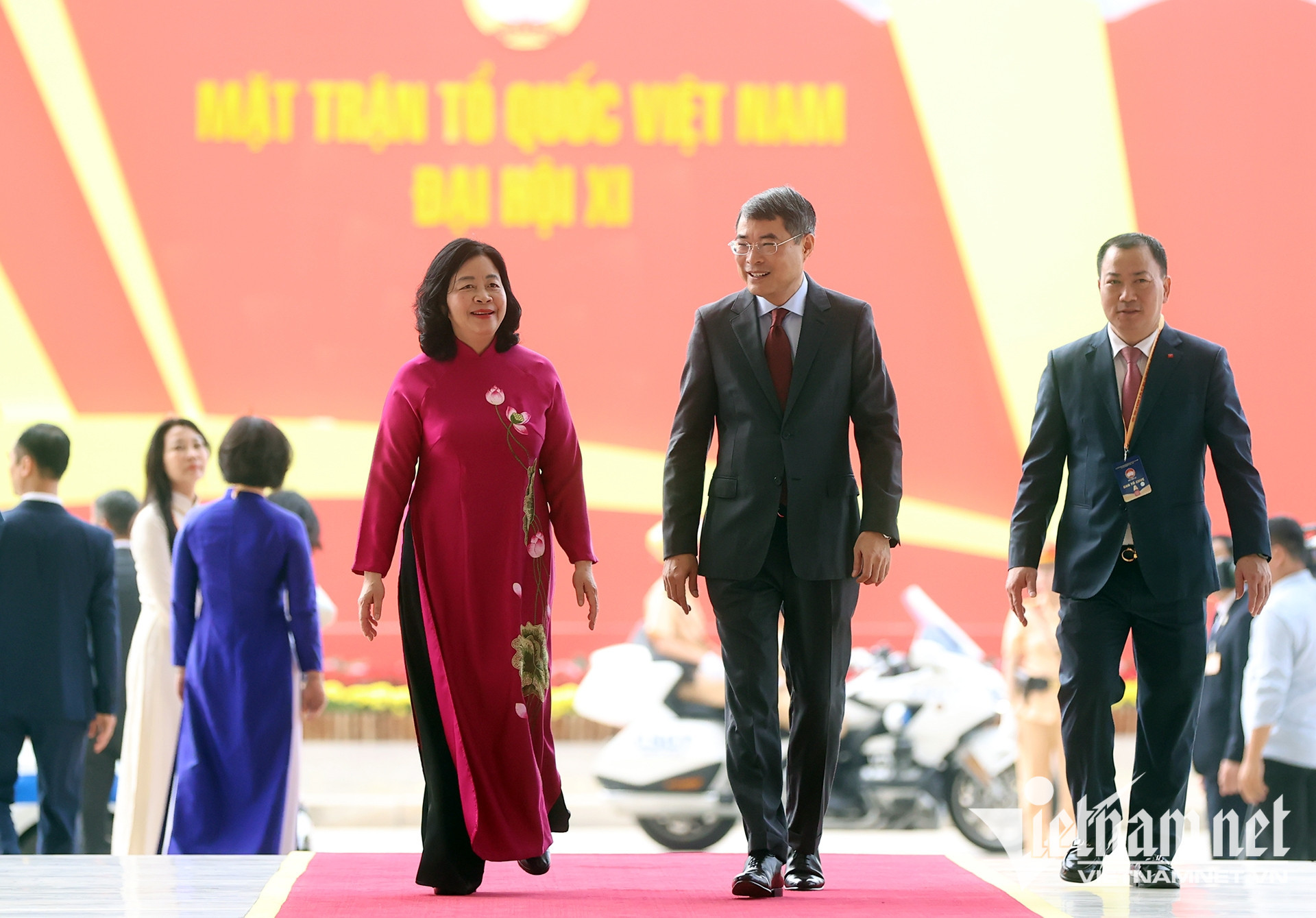
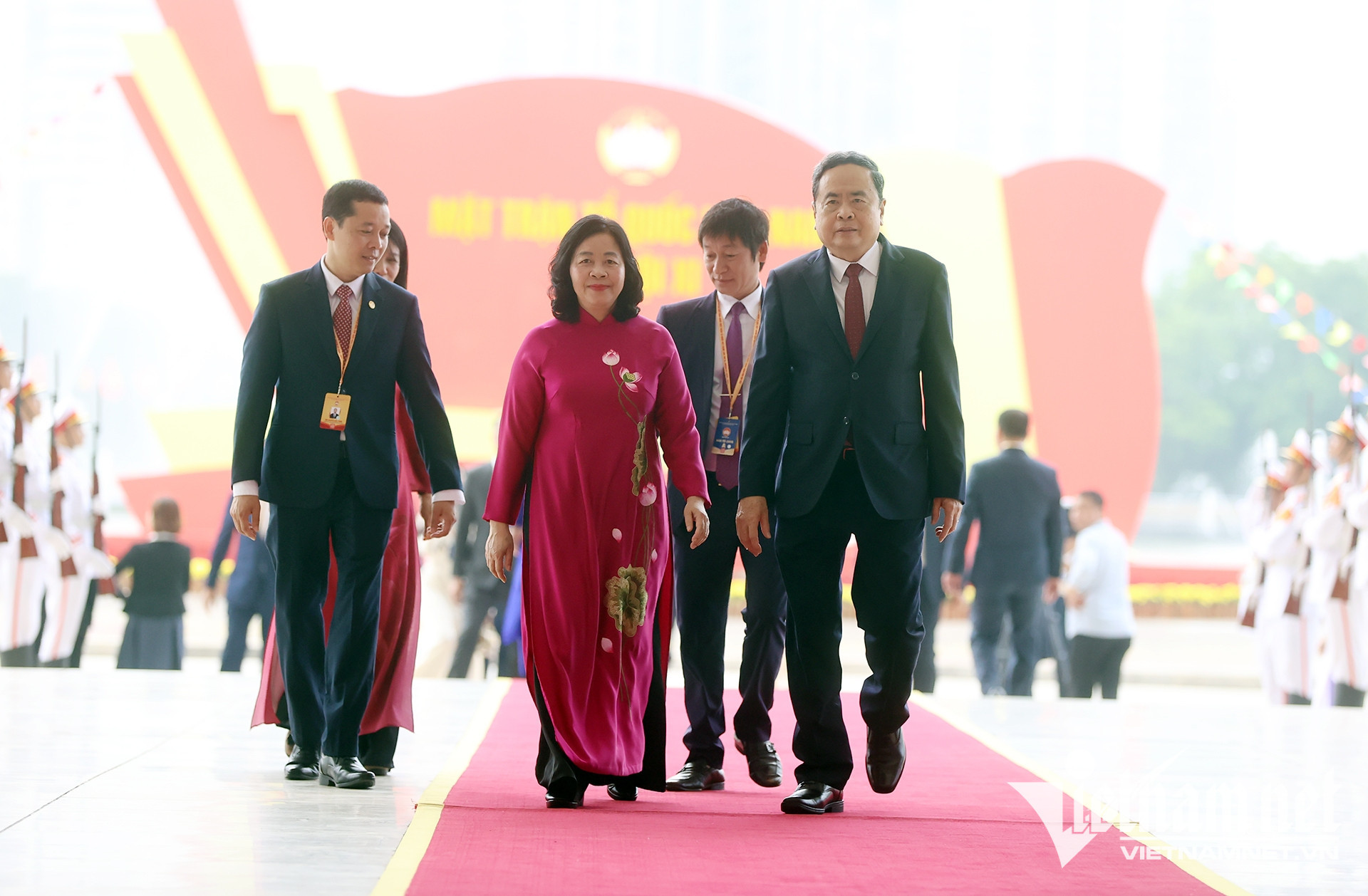
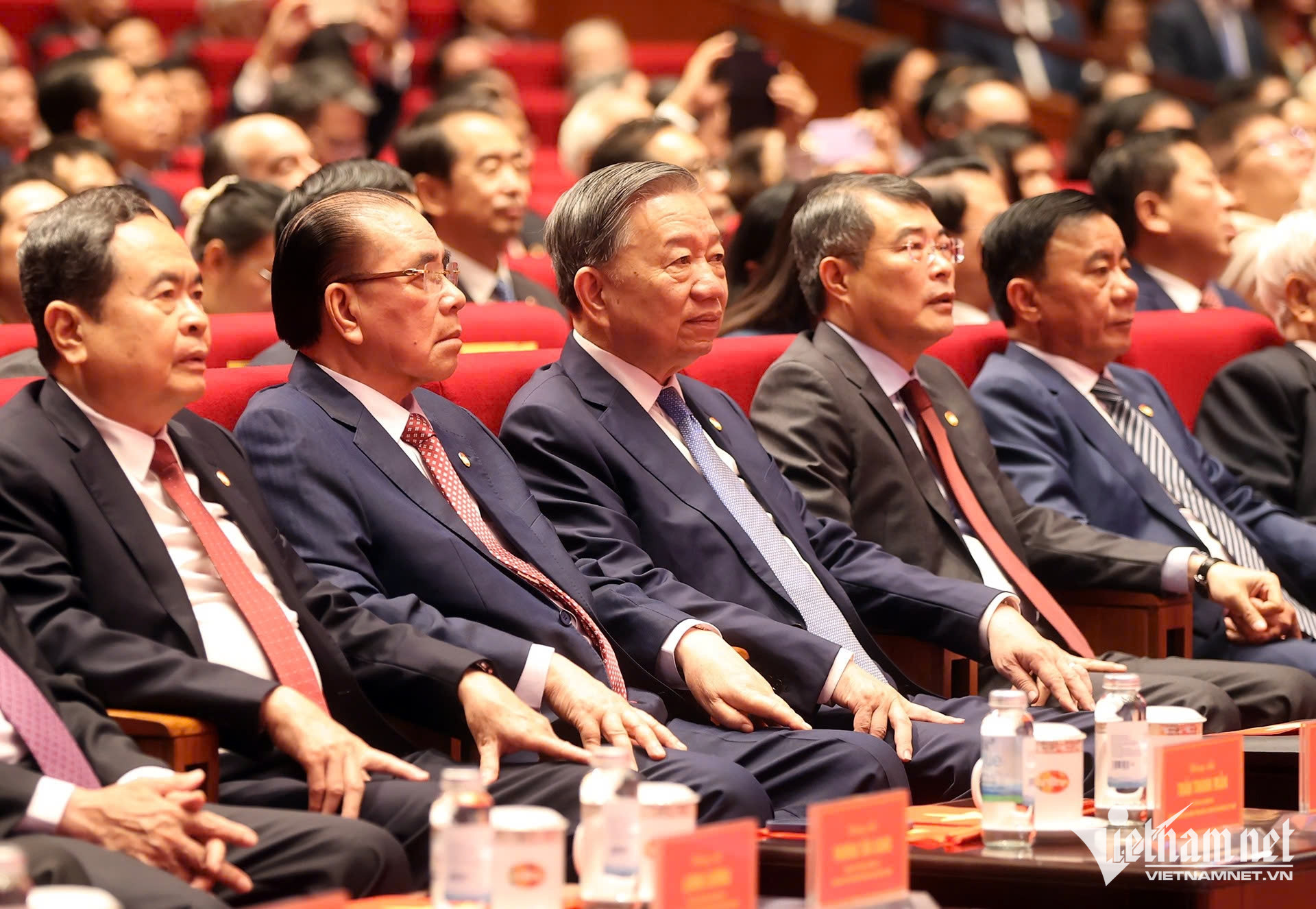
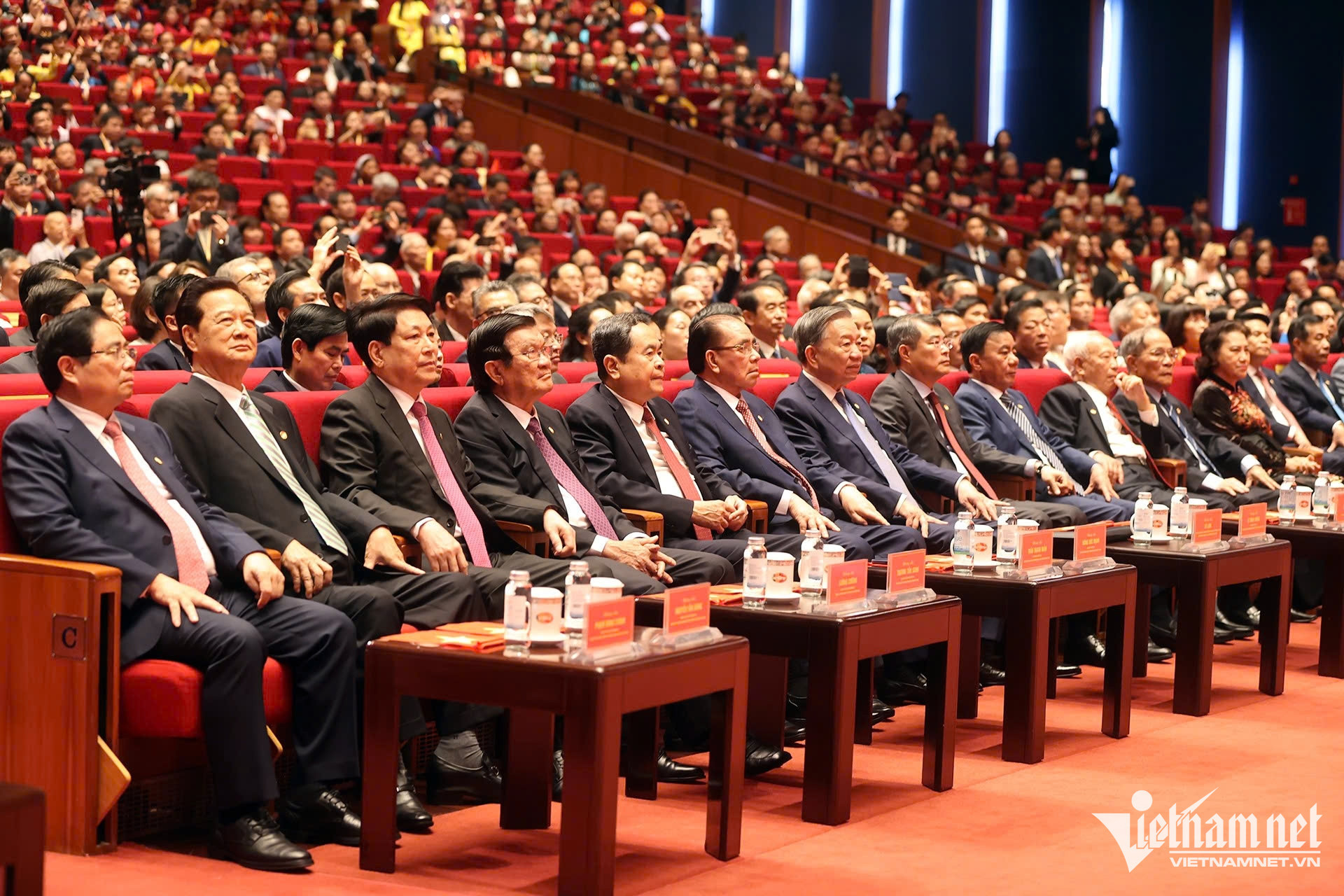
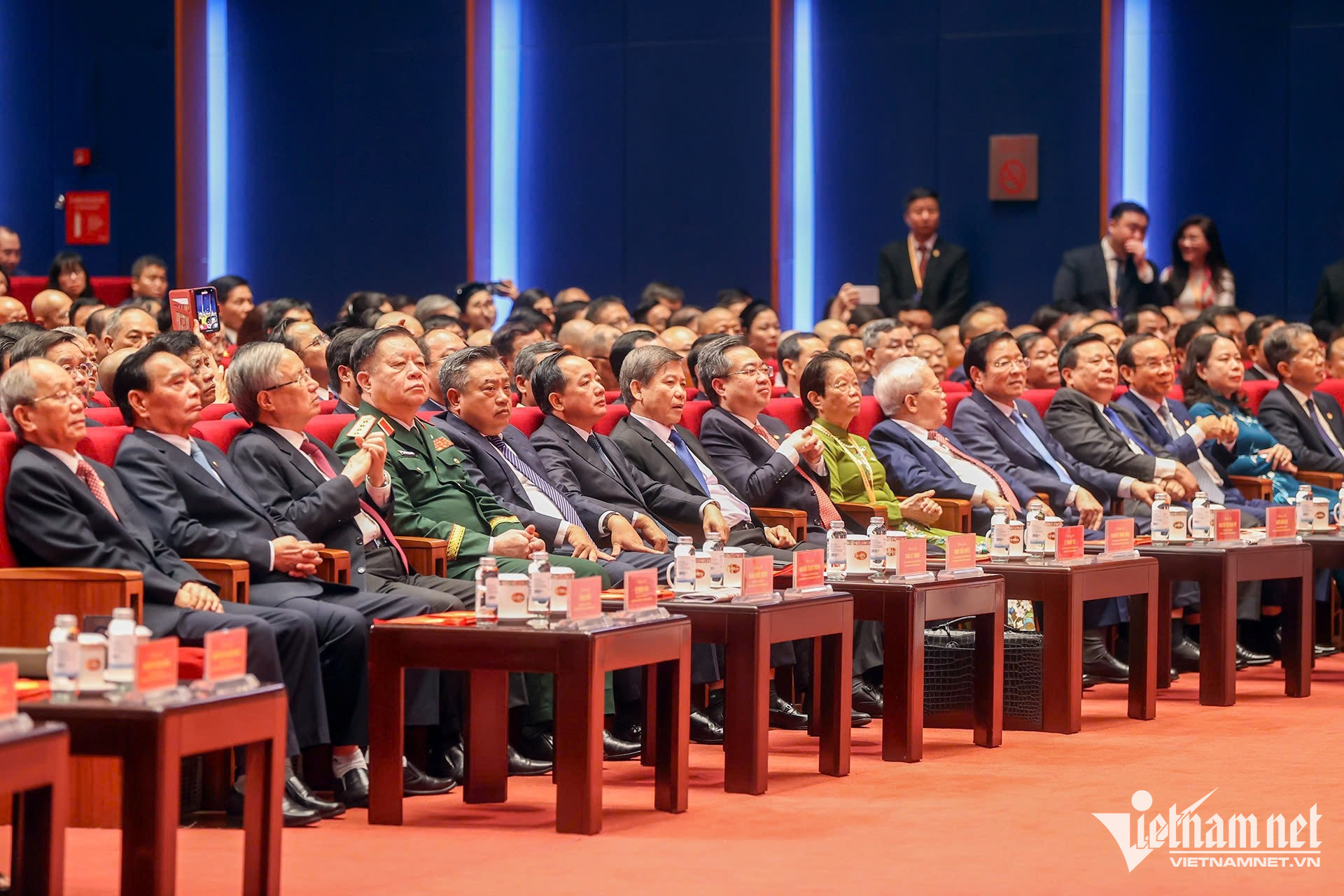
General Secretary and State President To Lam, Prime Minister Le Minh Hung, National Assembly Chairman Tran Thanh Man, along with current and former Party and state leaders and representatives of the Central Committee of the Vietnam Fatherland Front attended the congress.
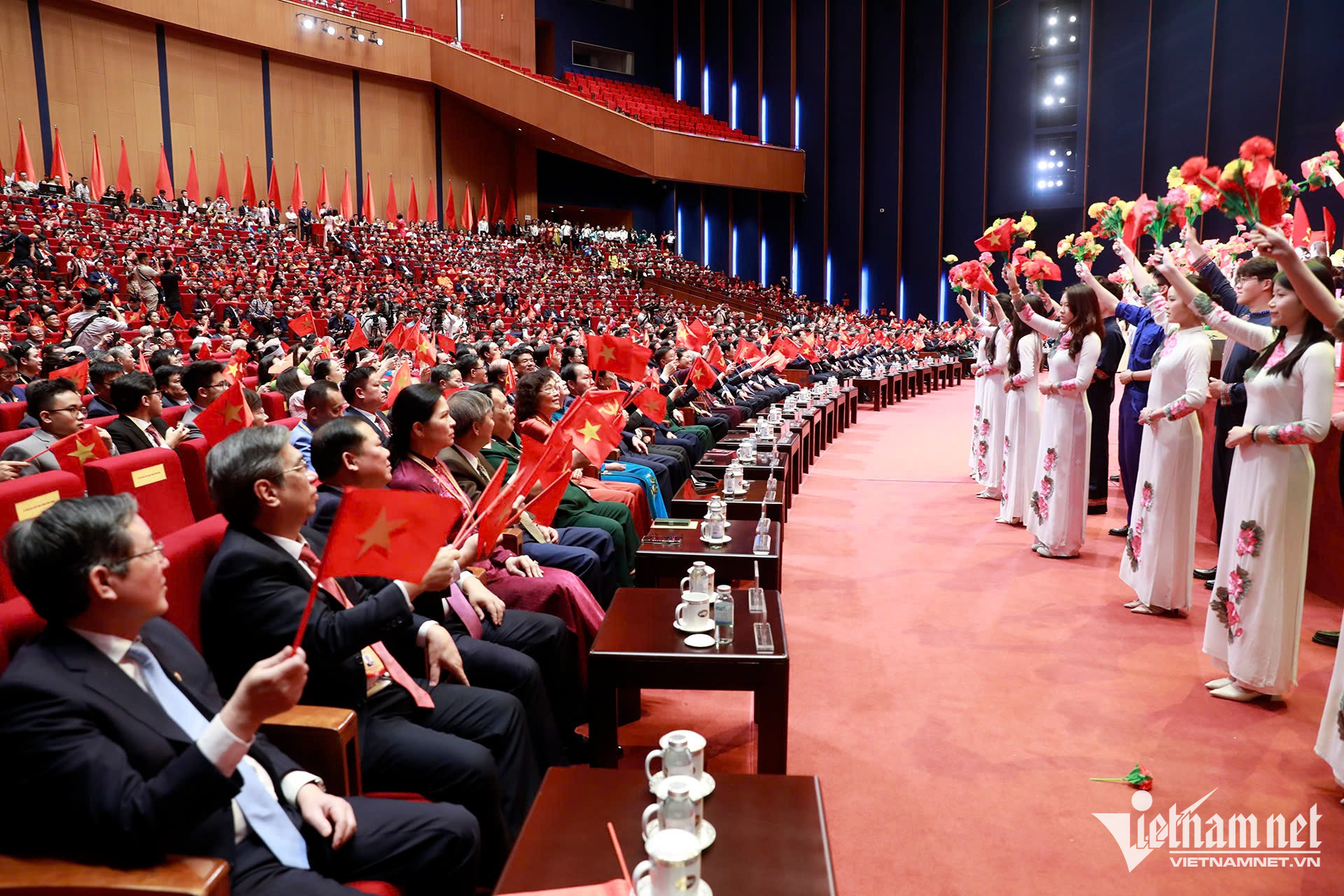
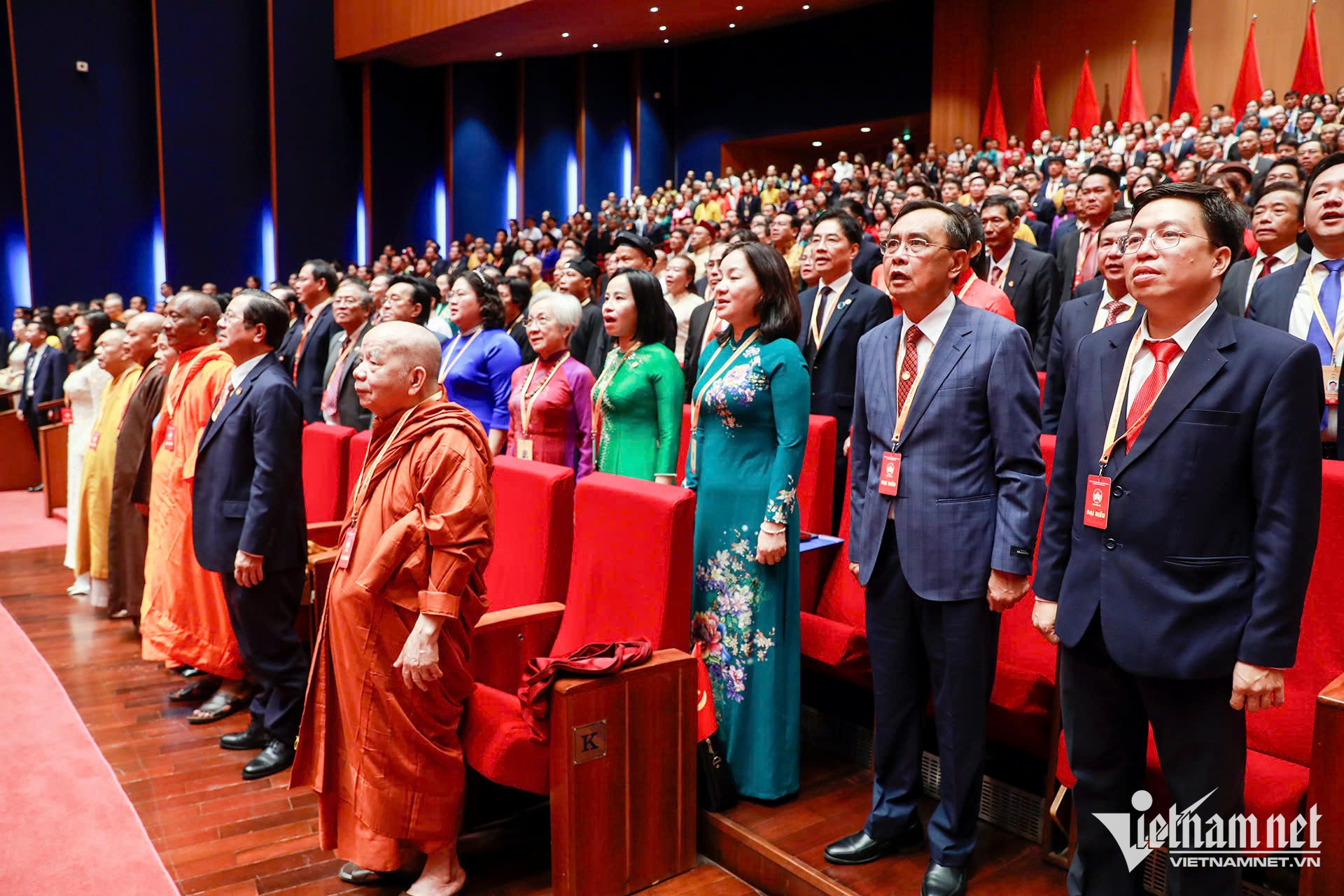
A total of 1,136 delegates participated in the event, representing social classes, ethnic groups, religions, armed forces, overseas Vietnamese communities and Fatherland Front officials nationwide.
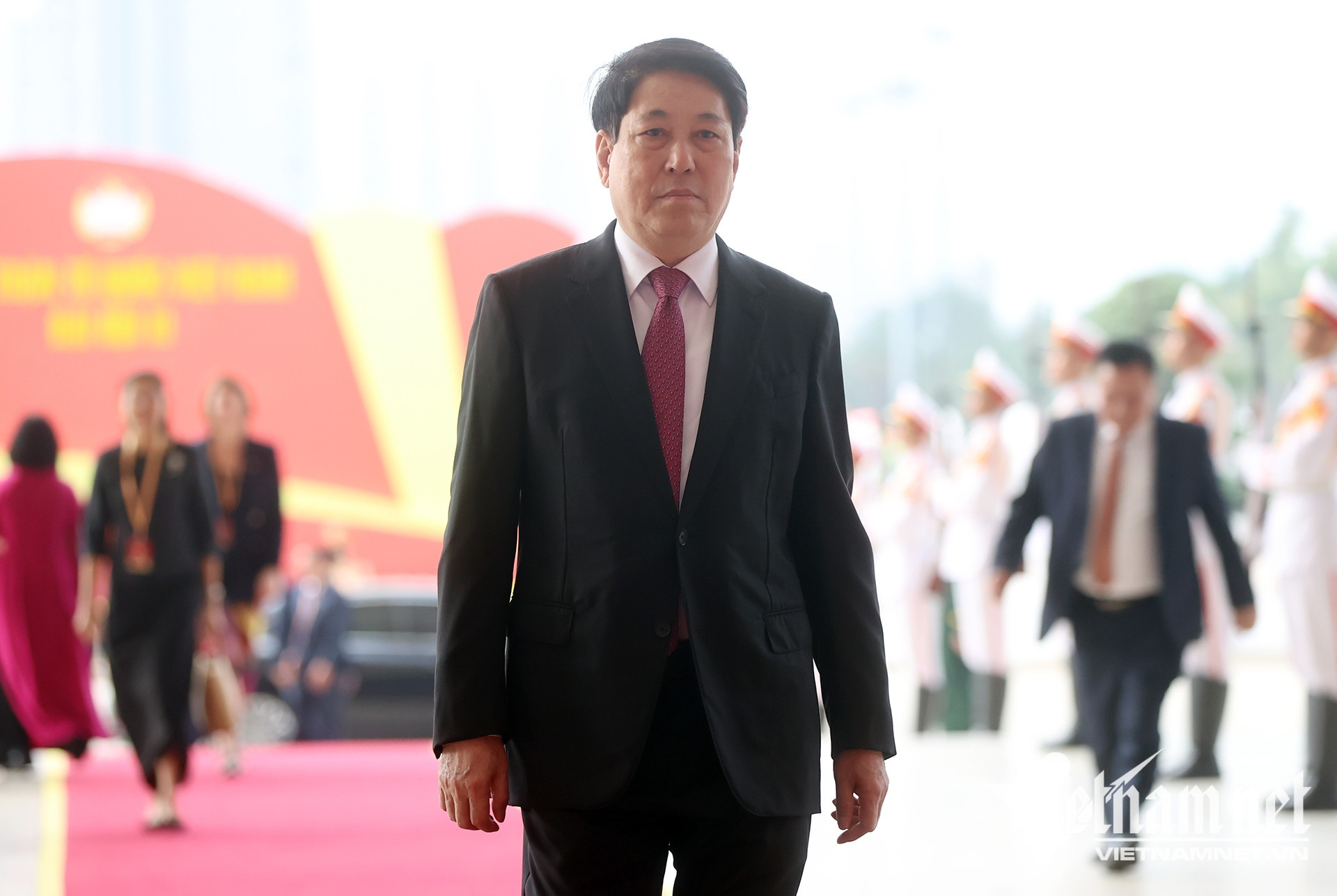
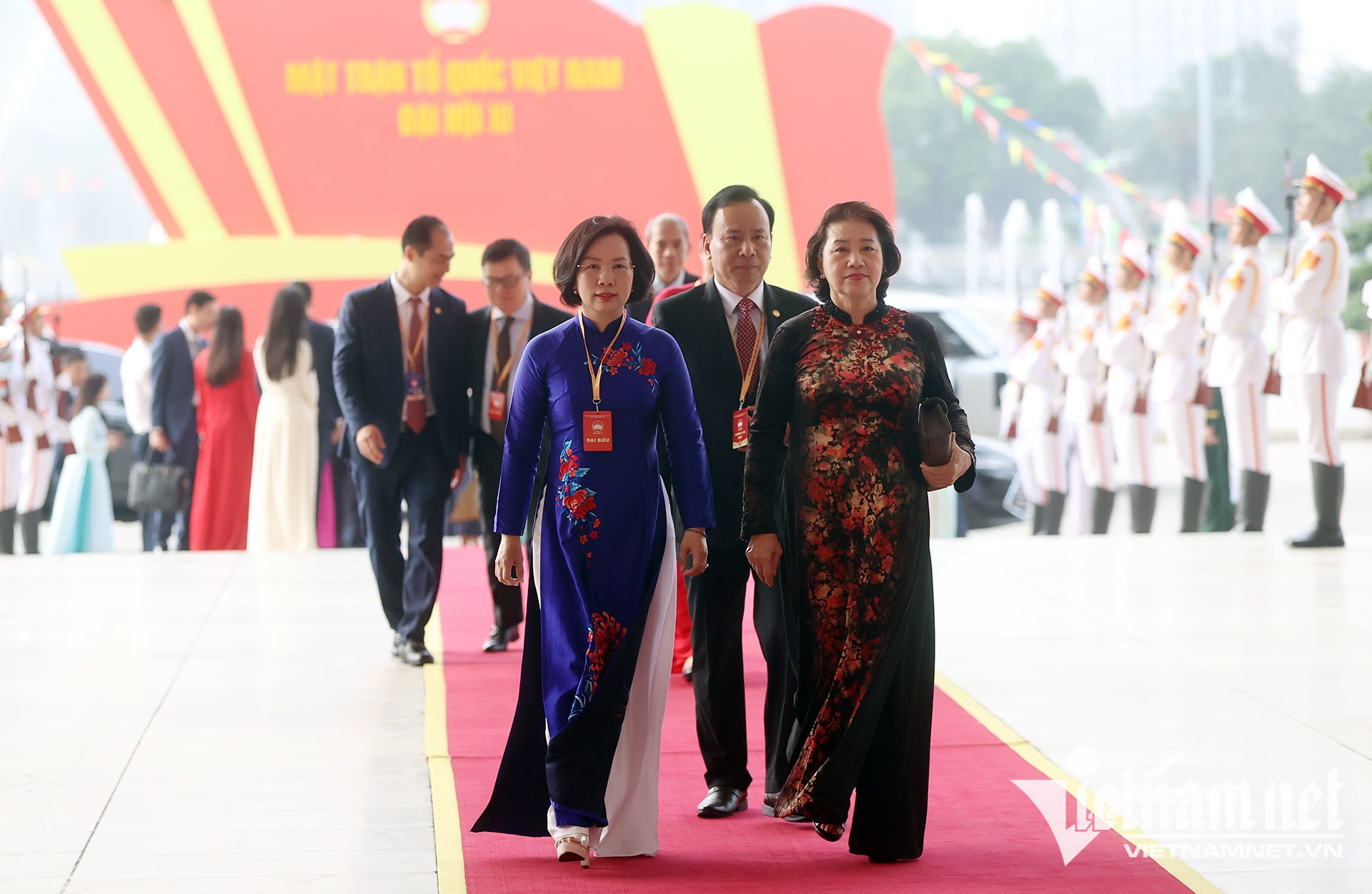
The composition of delegates reflected broad social diversity, including 381 women delegates, accounting for 33.5% of participants.
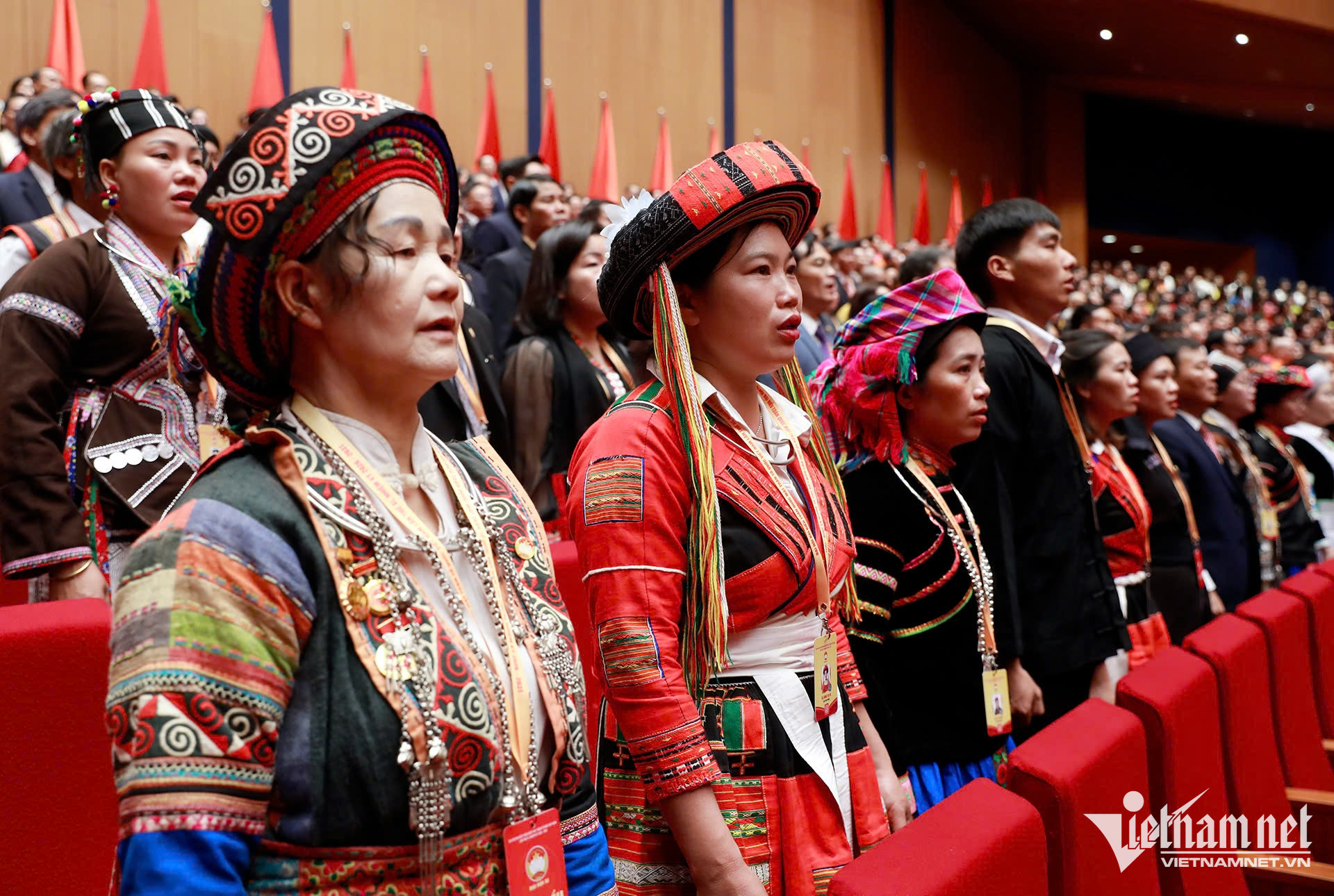
There were also 492 non-Party members, representing 46.7% of delegates, 277 ethnic minority delegates, accounting for 24.3%, and 218 religious representatives, accounting for 19.2%.
Business representatives accounted for 13.8% with 157 delegates, while 352 were full-time Fatherland Front officials.
Regarding educational qualifications, 899 delegates held university degrees or higher, accounting for 79% of participants.
Among them were 67 professors, associate professors and doctorate holders, 111 PhDs, 316 master’s degree holders and 405 university graduates.
The youngest delegates were 23-year-olds Lo Thi Nga from Dien Bien Province and Y Nhi from Quang Ngai Province.
The oldest delegate was Major General Vo So, 97, chairman of the Traditional Association of the Truong Son–Ho Chi Minh Trail.
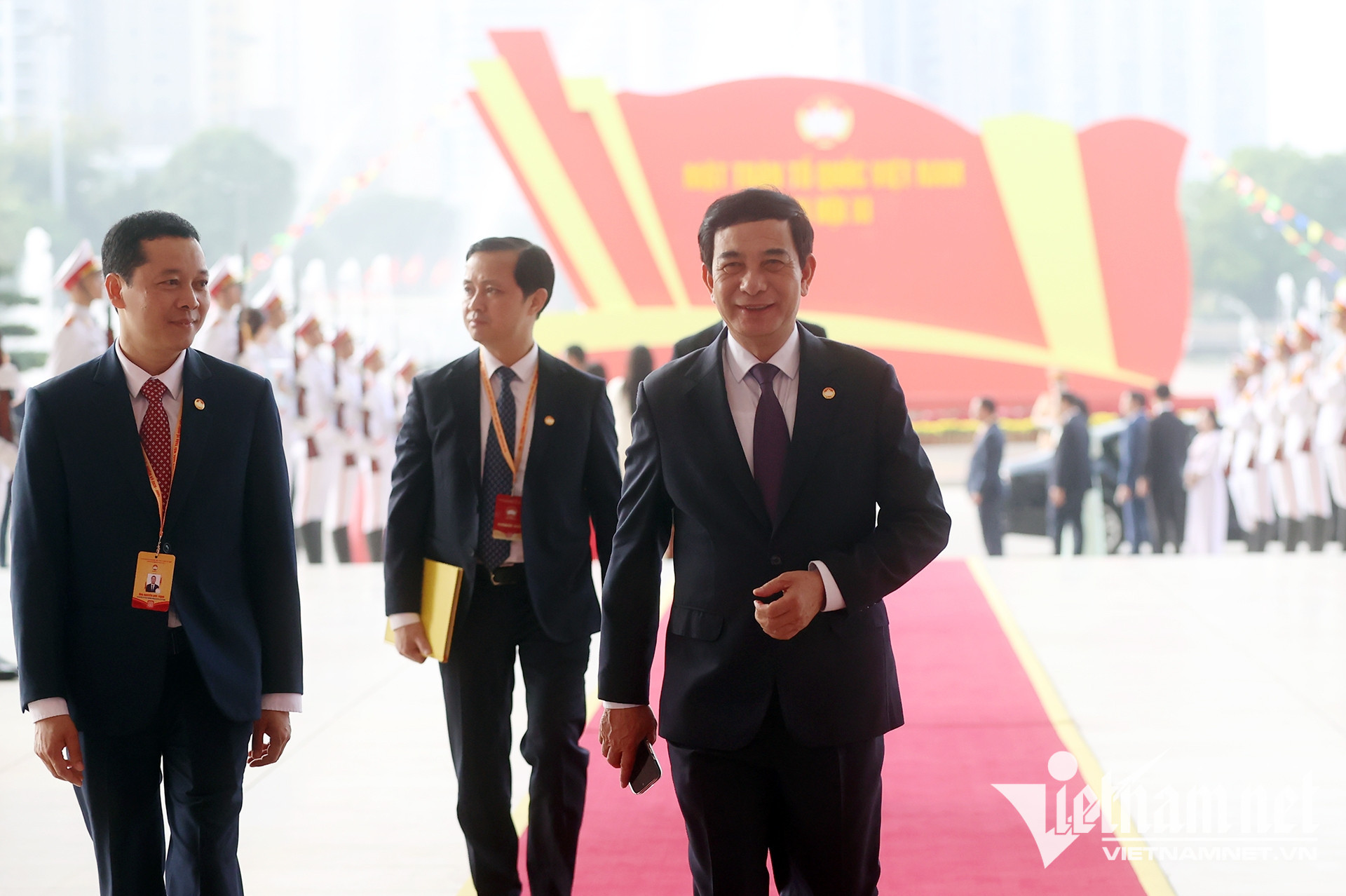
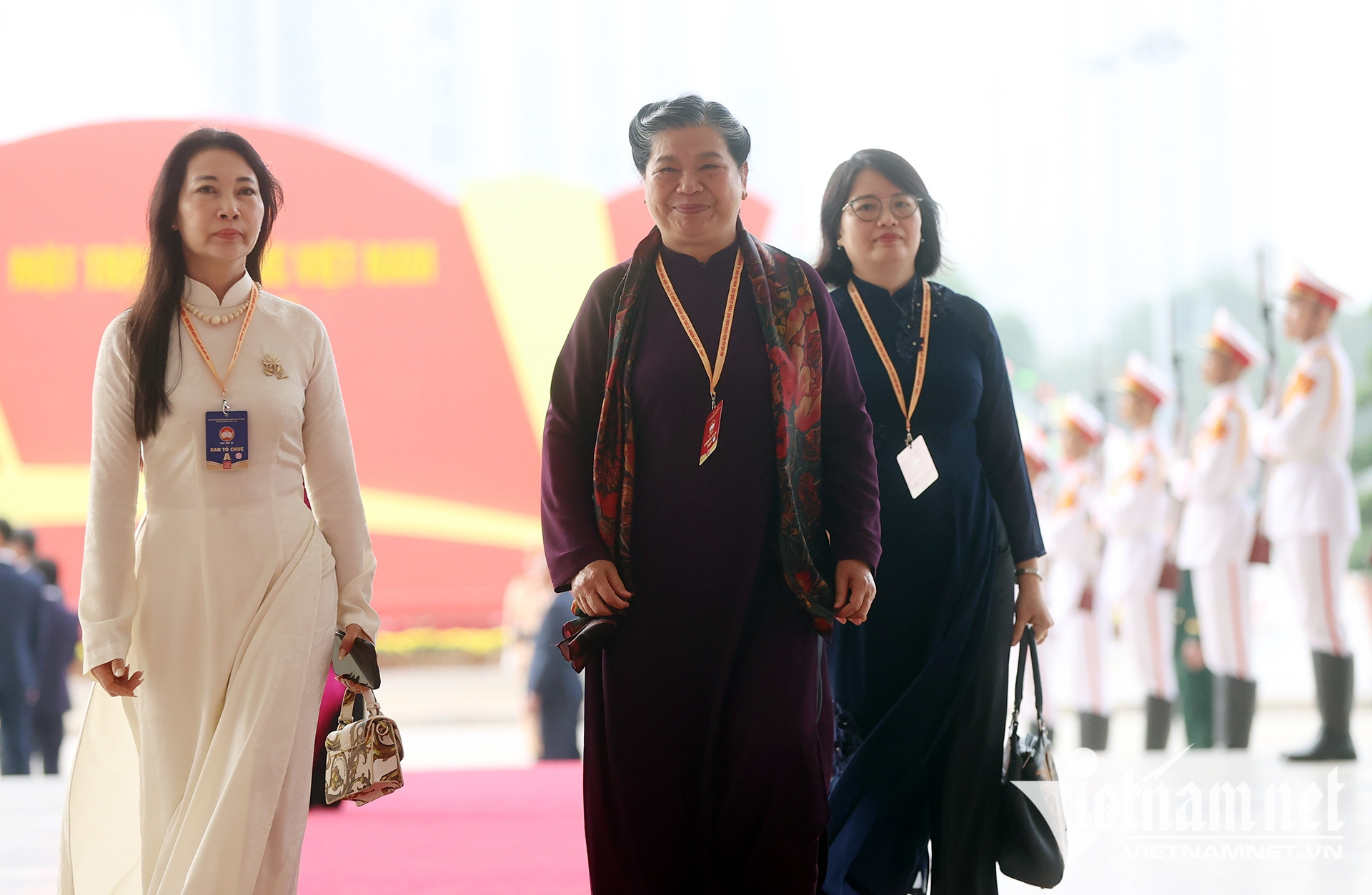
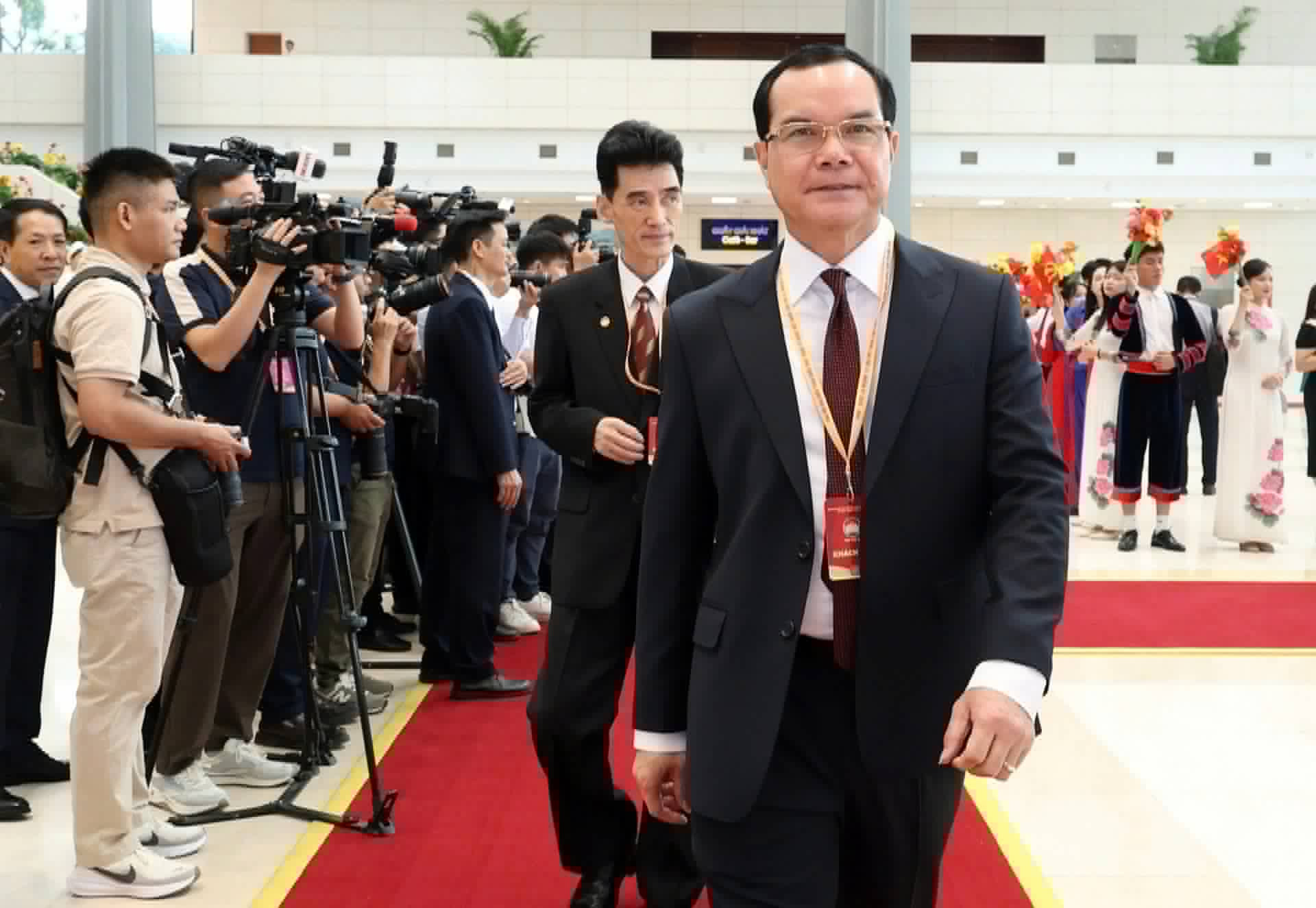
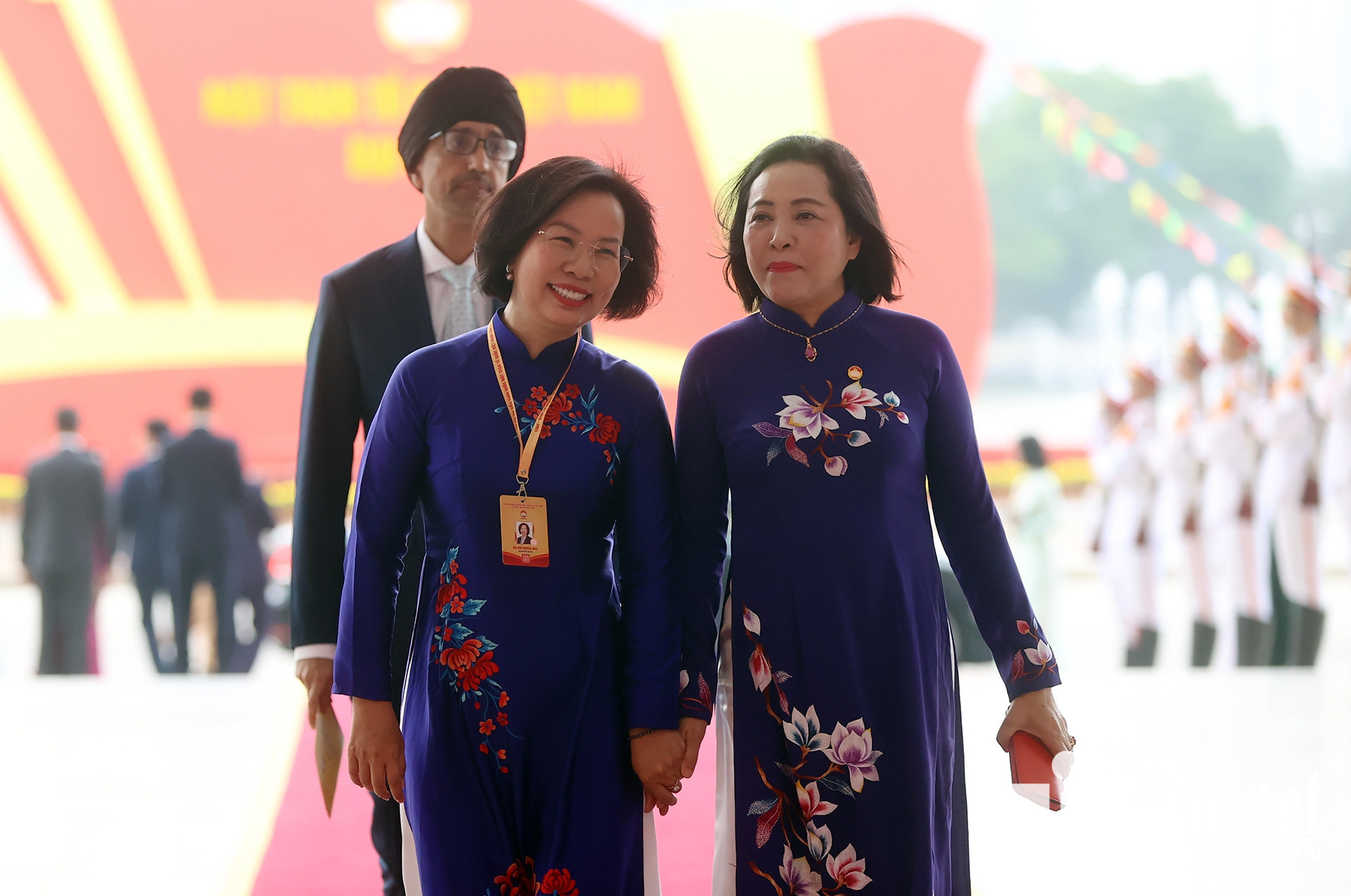
In her opening speech, Bui Thi Minh Hoai, chairwoman of the Vietnam Fatherland Front Central Committee, said the Fatherland Front system had continuously renewed its operational methods during the previous term and strengthened its role as a center for unity among all social groups.
“The Vietnam Fatherland Front clearly demonstrated a proactive role in coordinating with relevant agencies to propose and improve mechanisms and policies,” she said.
Hoai noted that one of the major highlights of the previous term was the Front’s active participation in gathering public opinions on the draft resolution amending and supplementing several articles of the Constitution.
The organization also contributed significantly to the successful election of deputies to the 16th National Assembly and People’s Councils for the 2026-2031 term.
In addition, the Front mobilized public participation in patriotic campaigns and provided timely support for people affected by natural disasters and floods, especially poor and vulnerable groups, under the principle that “no one is left behind.”
According to Hoai, the congress is taking place at a time when Vietnam is entering a new stage of development marked by both opportunities and challenges.
She described it as the first congress of the Vietnam Fatherland Front operating under a new organizational model, reflecting a renewed position and operational approach.
The congress is tasked with comprehensively evaluating public sentiment, the national unity bloc and the implementation of the previous term’s action program.
Delegates will also define directions, objectives and action programs for the 2026-2031 term, amend and supplement the Front’s charter and elect leadership positions for the new term through consultation procedures.
Photos from the opening session of the congress:
Thanh Hue – Pham Hai
.svg)
