 Vietnamnet.vn

 Podcast



Businesses move to alternative energy
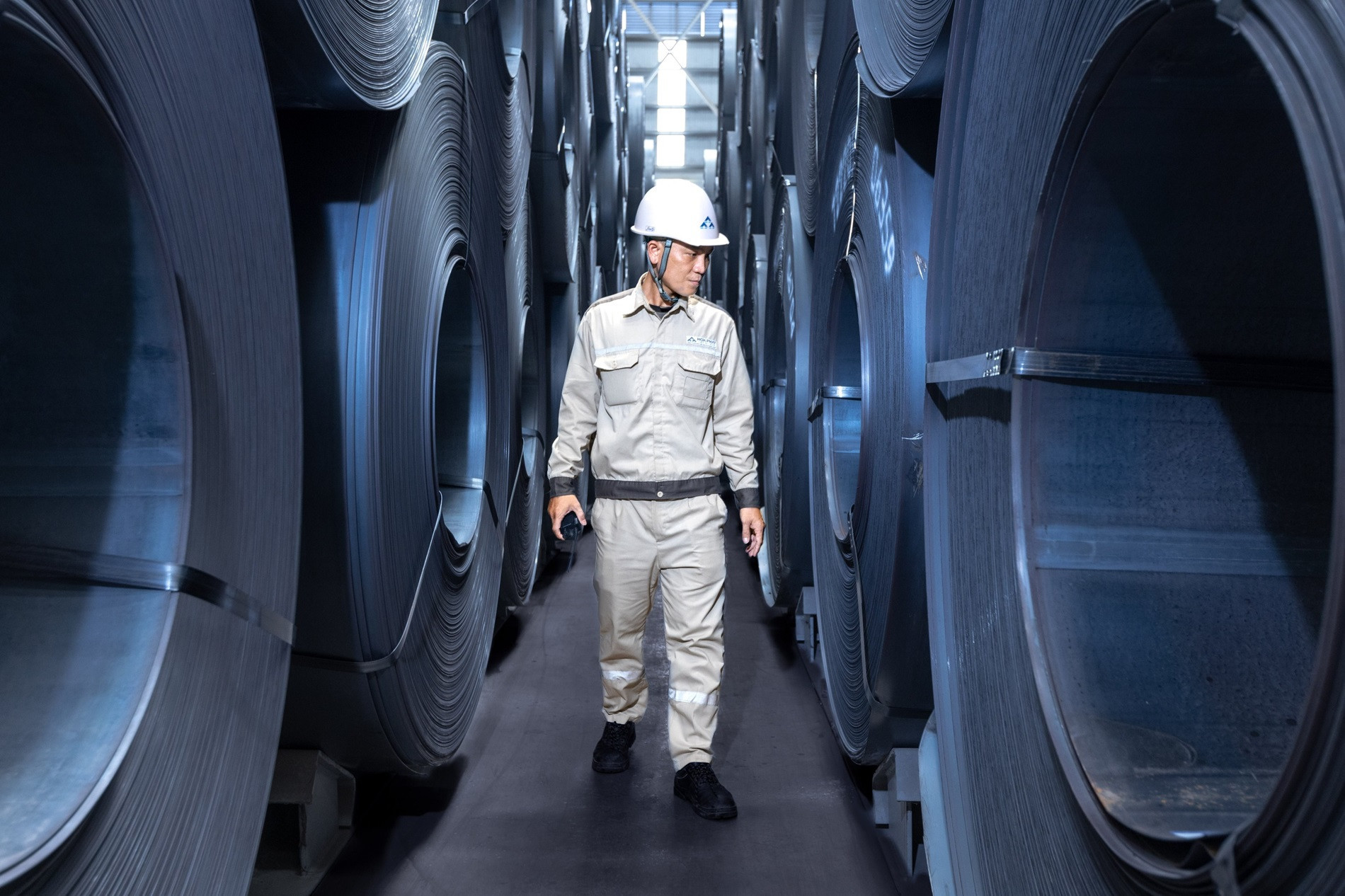
Speaking to VietNamNet, a representative of Hoa Phat Group said the upward trend in fuel prices amid Middle East tensions has directly impacted multiple sectors, including steel production. The company has seen clear effects in transporting raw materials and distributing products, as higher freight rates drive up input costs and final product prices.
According to Hoa Phat, developments in the Middle East remain complex and could affect market demand in the coming period. In response, the group is closely monitoring global economic and geopolitical fluctuations to adjust its production and business plans in a timely manner. At the same time, it is proactively diversifying raw material sources and consumption markets to mitigate risks.
Regarding energy-saving and optimisation solutions, Hoa Phat said it has implemented various measures at its steel production complexes. Notably, the company recovers waste heat generated during coke production and steelmaking to generate electricity, enabling it to meet around 90% of its power demand for production.
In addition, the group is expanding the use of alternative energy sources such as rooftop solar power at factories and industrial parks nationwide.
Recently, Hoa Phat Dung Quat Steel Joint Stock Company, a subsidiary of the group based in Quang Ngai, began phase two of its rooftop solar project with a capacity of 22.5 MWp. The project is expected to supplement power supply for production, reduce energy costs and cut emissions, generating approximately 32.8 million kWh of clean electricity annually.
The group is also gradually converting vehicles powered by fossil fuels to electric alternatives, including forklifts, excavators, scrap processing equipment and internal transport trucks, in an effort to lower energy costs and emissions.
Need for additional support measures
The Department of Domestic Market Management and Development under the Ministry of Industry and Trade noted that fuel prices in Vietnam remain significantly lower than in many neighbouring countries, reflecting effective regulatory measures and price stabilisation tools.
However, current developments show that economies dependent on imported energy are vulnerable to geopolitical shocks. In the short term, the agency suggested prioritising supply security, maintaining flexible price management and strengthening market control. In the long term, it emphasised the need to increase strategic reserves, improve energy efficiency, expand renewable energy development and enhance regional cooperation to address disruptions at key chokepoints such as the Strait of Hormuz.
Nguyen Tu Anh, Director of Macroeconomic Policy Research at the Green-X Centre under VinUni, said the situation in the Middle East and oil price movements are directly affecting all aspects of life and the economy.
According to the expert, the top priority at present is securing alternative supply sources to ensure energy security and maintain sufficient supply levels to prevent economic disruption.
Secondly, if supply is maintained but prices remain high, the government should introduce appropriate support policies to reduce the risk of stagflation - a combination of high inflation and slow growth. Rising prices increase production costs and consumer prices, fuelling inflation, while high costs can dampen demand and hinder production, potentially leading to economic slowdown.
He stressed that once an economy falls into stagflation, returning to normal conditions is extremely difficult, making preventive measures essential. If fuel supply remains stable despite high prices, targeted price support policies should be applied to sustain economic activity.
“In recent times, authorities have used the fuel price stabilisation fund and reduced import taxes on fuel products to zero, helping ease price pressures,” he said. However, if prices continue to rise, he supports the proposed reduction of environmental protection tax, along with possible cuts or temporary exemptions of special consumption tax and value-added tax on fuel.
In addition, the government could implement emergency support packages to subsidise businesses and households in response to price shocks. Measures may include supporting fuel retailers, providing guarantees or credit subsidies to offset rising costs, with repayment possible once business conditions stabilise and profitability returns.
He noted that such solutions would help mitigate stagflation risks, maintain market confidence, stabilise society and improve the investment environment. Once the crisis subsides, the economy would be better positioned for a faster recovery.
Tam An
.svg)
