 Vietnamnet.vn

 Podcast



Global supply chain disruptions triggered by tensions in the Middle East are pushing up logistics costs and input prices, placing direct pressure on agricultural production and the competitiveness of Vietnamese goods.
In response, Politburo member and Minister of Agriculture and Environment Tran Duc Thang has called on the business community, particularly suppliers of agricultural inputs and logistics services, to stabilize or reduce prices and maximize capacity to ensure domestic supply and support production.
Answering the call, many enterprises and industry associations have begun implementing concrete measures under the principle of “harmonized benefits, shared risks.”
Livestock feed producers hold back price increases
Vietnam’s livestock feed industry depends heavily on imported raw materials, many of which originate from the Americas.
Typically, these materials are transported by sea across the Atlantic Ocean into the Mediterranean, then through the Suez Canal and the Red Sea into the Indian Ocean before reaching Vietnamese ports. Since the outbreak of conflict in the Middle East, however, shipping routes have been disrupted, forcing vessels carrying soybeans and corn to reroute around the Cape of Good Hope, significantly increasing costs.
Despite these pressures, many companies are taking practical steps to support farmers.
Chamnan Wangakkarangkul, deputy CEO of C.P. Vietnam, said the company is striving to keep feed prices stable. If rising raw material and transport costs eventually make price adjustments unavoidable, increases will be implemented as slowly and minimally as possible.
Japfa Comfeed Vietnam, meanwhile, is focusing on technical support and livestock breeding assistance to help farmers maintain efficiency even as feed prices rise.
Nguyen Minh Tri, a company representative, said that while price adjustments have become necessary due to prolonged global volatility, Japfa continues to strengthen nutrition programs, improve feed conversion ratios, and expand farmer training and advisory services.
Rice exporters move to secure supply
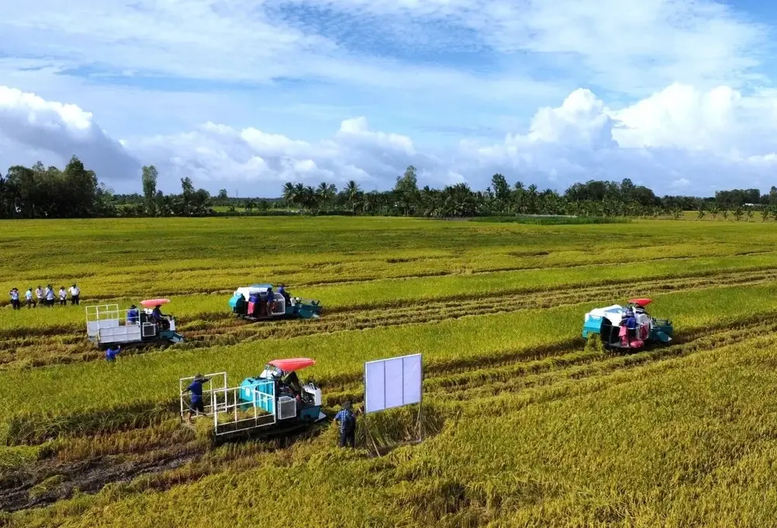
While the Middle East conflict has placed the rice sector in a difficult position, some businesses in the Mekong Delta see it as a “historic opportunity” for Vietnamese rice.
Pham Hoang Lam, chairman of Lam Rice Group Inc in Ho Chi Minh City, pointed to three major opportunities ahead.
First, global uncertainties are prompting countries to prioritize stable, long-term supply sources, creating an opening for Vietnam to become a strategic food partner. Second, markets such as the US, Canada, and the EU are increasingly shifting toward high-quality, traceable rice products, favoring varieties like Vietnam’s ST25. Third, the value of rice now lies not only in production but also in branding, distribution systems, and retail channels.
To capitalize on these trends, Lam emphasized the need to build a true national rice brand - not just “Vietnam Rice” but “Vietnam Premium Rice” with clear positioning and storytelling.
Nguyen Vinh Trong, director of Viet Hung Co. Ltd in Dong Thap, noted that China has already consumed more than 60 percent of its rice import quota for 2026, with around 500,000 tons expected to be imported in the remaining months of the year. Demand from African markets also remains strong.
In response, Vietnamese firms are stepping up production planning and temporary stockpiling to support farmers.
Truong Van Chinh, director of Chon Chinh Import-Export Co., said the company is diversifying export markets to remain flexible. During the 2025-2026 winter-spring crop, it is purchasing around 200,000 tons of rice, with part of the output traded through African partners and routed via a trading hub in Dubai.
Pham Thai Binh, chairman of Trung An High-Tech Agriculture JSC in Can Tho, said the company is working closely with farmers, purchasing around 81,000 tons of rice across 9,000 hectares. Farmers participating in these linkages benefit from relatively stable prices of around VND6,000 per kg (US$0.24), rising to VND6,100-6,200 per kg (US$0.24-0.25) for higher-quality output.
However, Nguyen Viet Anh, CEO of ORICO, noted that despite sufficient capital, the industry faces storage constraints. With around 1.5 million hectares of winter-spring rice harvested within a short period, the volume exceeds the capacity of existing procurement systems.
He suggested developing large-scale storage infrastructure to allow farmers to hold their produce and sell when prices improve, helping avoid the recurring cycle of bumper harvests followed by price drops.
Meanwhile, industry leaders also highlighted the need to strengthen branding and distribution networks. Much of Vietnam’s rice is still exported under OEM arrangements, limiting control over final markets. Expanding into premium markets such as the EU, the US, and Japan remains challenging due to strict standards, particularly on pesticide residues.
Poultry sector commits to stable supply
Nguyen Thanh Son, chairman of the Vietnam Poultry Association, said member companies are actively implementing measures to stabilize supply and prices.
These include reducing operating costs, maintaining reasonable pricing, strengthening intra-industry cooperation, and building integrated value chains to cut intermediaries and lower input costs by at least 10 percent.
Enterprises have also committed to maintaining purchases from farmers even during market fluctuations to prevent price collapses.
The association has proposed several policy measures, including preferential credit packages, administrative reforms, stricter controls on low-quality imports, and support for domestic transportation costs.
Fertilizer firms weigh cautious price adjustments
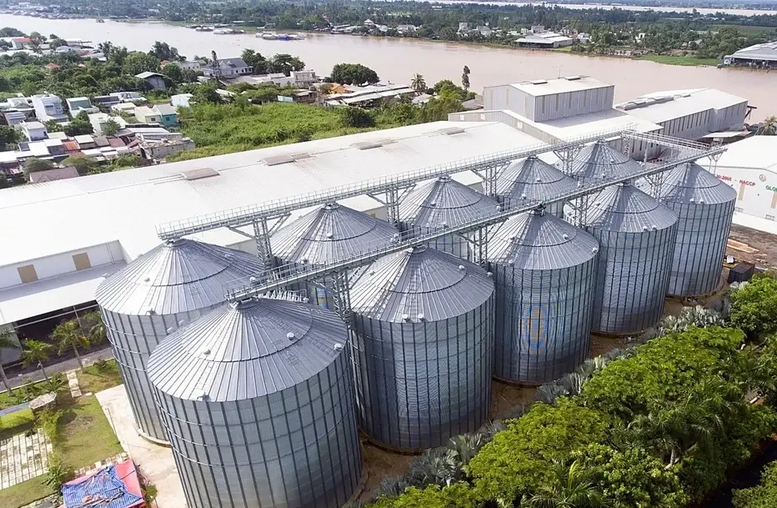
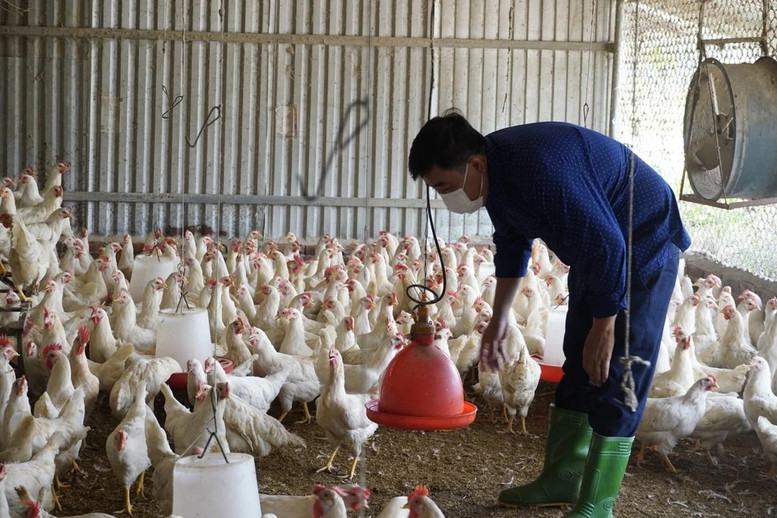
As global fertilizer prices rise due to geopolitical tensions and export restrictions, domestic prices in Vietnam have also increased.
However, some companies are taking steps to ease the burden on farmers. Binh Dien Fertilizer JSC, for example, maintained stable prices until March 25, 2026, thanks to previously secured raw materials.
From March 26, as new inputs became more expensive, the company was forced to adjust prices but limited increases to 5-10 percent, despite some raw materials such as urea rising by up to 50 percent, from around VND12,000 per kg (US$0.49) to VND18,000 per kg (US$0.73).
The company is also promoting more efficient farming practices, helping farmers reduce fertilizer use by up to 20 percent.
Other fertilizer producers are similarly exercising caution, seeking to balance cost pressures with farmers’ ability to sustain production.
Seed companies cut costs, accept lower profits
According to Tran Xuan Dinh, vice chairman and secretary general of the Vietnam Seed Trade Association, the current disruptions have had limited immediate impact on domestic seed production due to seasonal factors.
However, rising exchange rates, transport costs, and insurance fees are likely to increase seed prices, particularly for imported vegetable seeds, of which Vietnam still relies on imports for 75-85 percent.
In response, companies are optimizing operations, cutting costs, and accepting lower profit margins to stabilize prices.
At the same time, the situation is prompting businesses to improve production management, adopt digital technologies and artificial intelligence, and streamline distribution channels.
Dinh stressed the need for a long-term strategy to modernize the seed industry, including investment in research, post-harvest technology, and regulatory reforms to create a more enabling environment for innovation and sustainable growth.
Government Portal
.svg)
