 Vietnamnet.vn

 Podcast



The National Competition Commission under the Ministry of Industry and Trade recently issued a safety bulletin covering products recalled overseas in August 2026 that could potentially affect consumers in Vietnam.
The notice covered nine types of products, including power banks, mini refrigerators, sunscreen, toy phones, ceiling fans, rabbit-ear headbands, toy boxes and cars.
In the automotive category, the commission identified models from four brands - Audi, BMW, Porsche and Ford - manufactured in Germany and Türkiye.
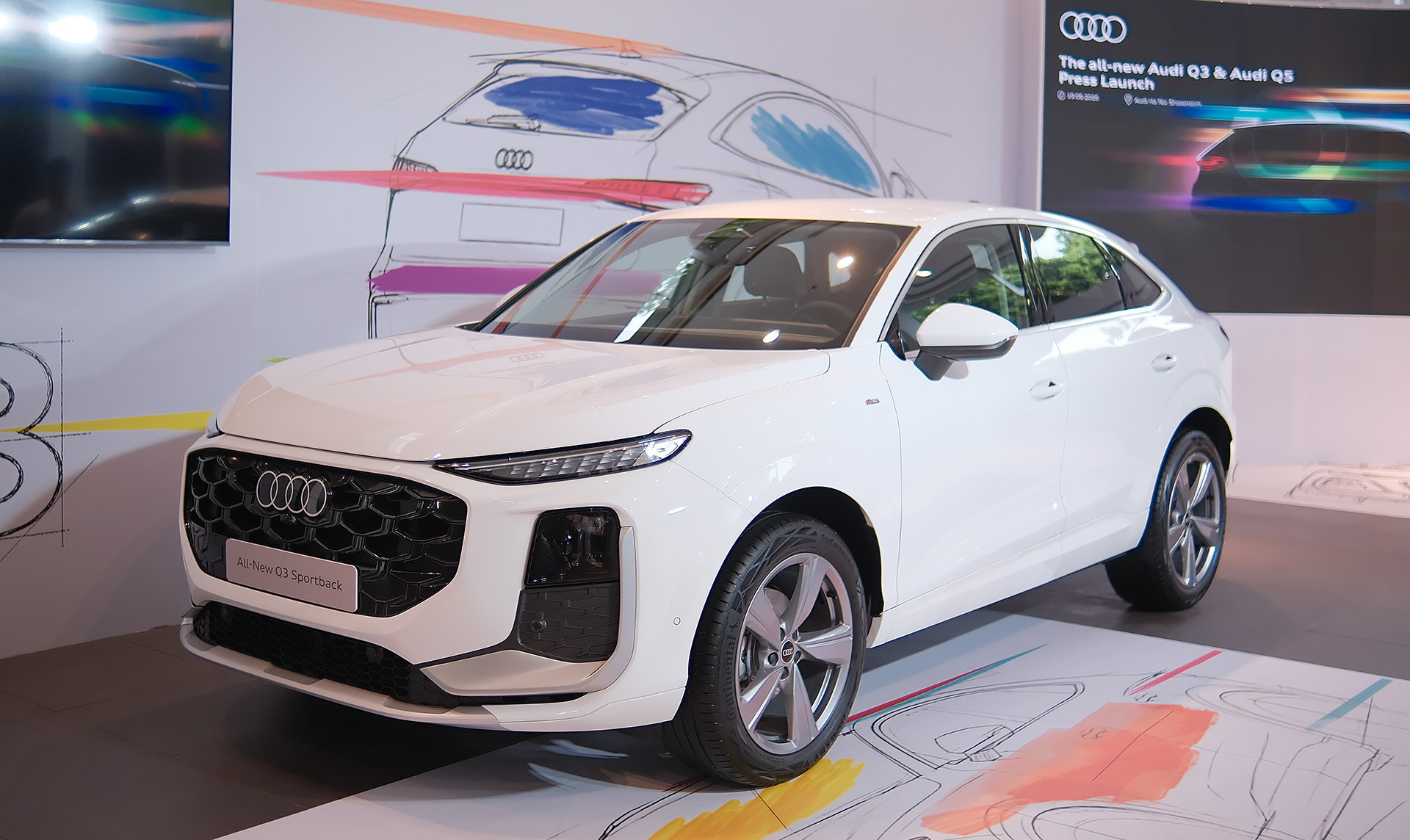
The Audi Q3, manufactured in Germany between October 15, 2025 and June 5, 2026, was flagged over a potentially defective weld in the gas generator of the front seat-belt pretensioner.
In a collision, components could become detached and potentially injure occupants.
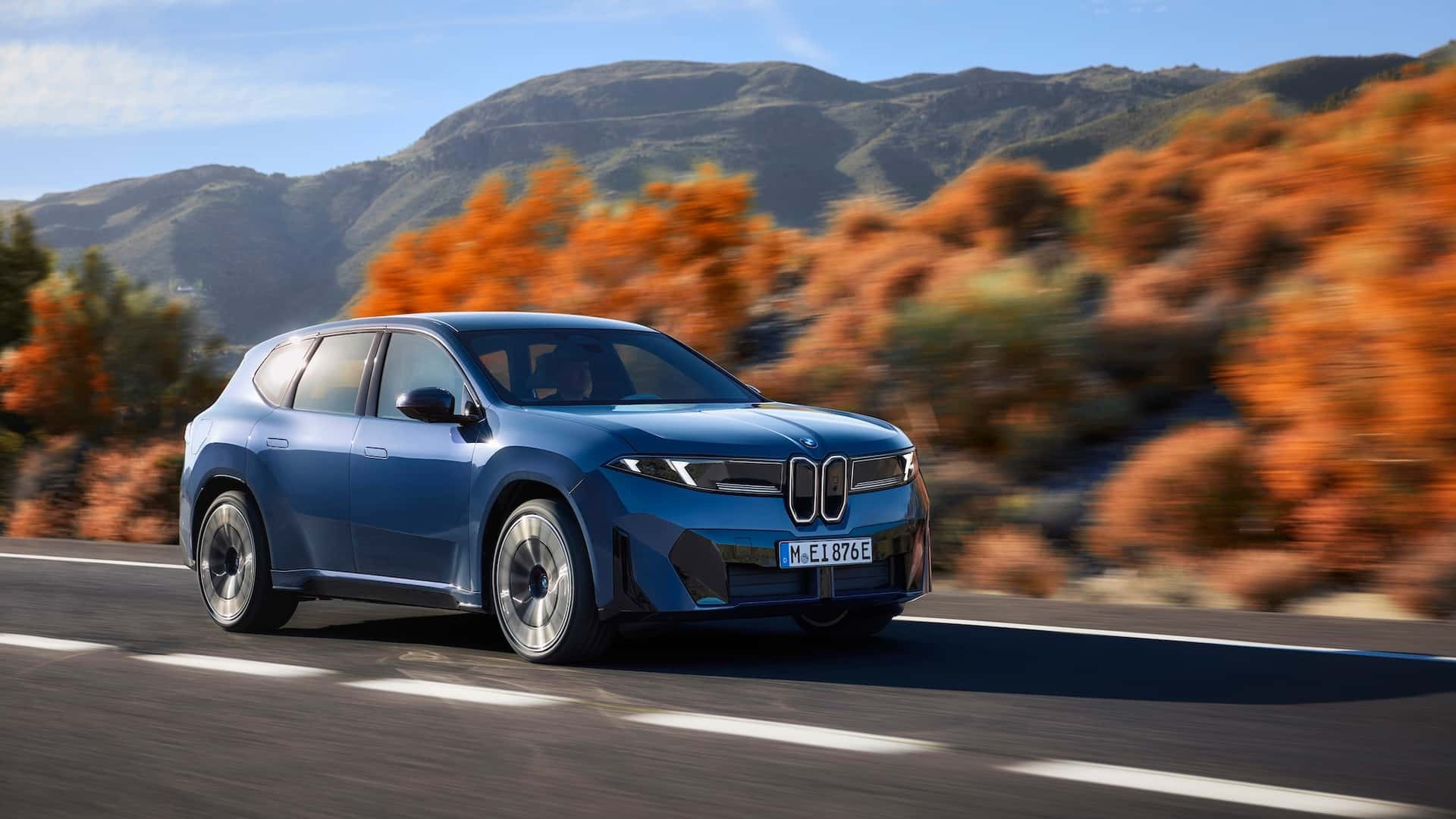
The BMW iX3 electric SUV, manufactured in Germany between November 25, 2025 and March 4, 2026, was cited over a potential manufacturing defect in an electronic module used for charging.
The defect could allow electrical current to pass through the vehicle body while charging, posing a risk of high-voltage electric shock.
The Porsche Taycan, manufactured in Germany between October 21, 2019 and March 4, 2024, was also flagged over potential manufacturing defects in its high-voltage battery modules that could increase the risk of fire.
The Ford Transit Custom and Tourneo Custom, manufactured in Türkiye during specified periods between May 2023 and March 2026, were also included in the warning.
The National Competition Commission said the information came from the European Union’s Safety Gate rapid alert system for dangerous non-food products.
The vehicles had been flagged for failing to meet requirements relating to motor-vehicle type approval and market surveillance, with recalls from end users required.
The commission advised consumers to check product information before purchasing or using affected goods, stop using products showing signs of safety problems and follow instructions from manufacturers, distributors or authorities regarding repairs, replacements, returns or refunds.
At first glance, the wording may suggest a particularly serious measure involving vehicles being permanently taken away from their owners.
But in the automotive industry, the term “recall” generally means that affected vehicles are brought back to authorised dealerships or service centres to have safety defects corrected.
Manufacturers typically inspect the vehicles and repair or replace components, or update software, at no cost to owners. Once the problem has been corrected, the vehicle is returned to the customer and can continue to be used.
This differs from recalls involving some other consumer products, such as toys containing dangerous chemicals, cosmetics containing banned substances or electrical devices posing fire or electric-shock risks, which may have to be permanently withdrawn or destroyed.
A comparison with the original Safety Gate information and manufacturers’ recall programmes shows why the distinction matters for Vietnamese consumers.
Audi Q3: no corresponding Vietnam recall announced
Audi is conducting a recall campaign in Europe for the Q3 under campaign code 68GG.
According to automotive recall tracking site Car-Recalls.eu, around 1,280 Audi Q3 vehicles worldwide are covered by the campaign because of the potentially defective weld in the gas generator of the front seat-belt pretensioner.
The model was launched in Vietnam on June 19, 2026.
The Audi Q3 SUV TFSI Advanced was introduced at about $79,500, while the Q3 Sportback TFSI S line started at roughly $83,300.
Audi Vietnam, however, has not confirmed that vehicles sold in the country are affected. Public recall notices from the Vietnam Register also currently show no corresponding campaign for the Audi Q3.
BMW iX3: warning concerns a different generation
The BMW iX3 cited in the Safety Gate warning is not the same generation currently sold in Vietnam.
The iX3 entered the Vietnamese market in July 2023 with the iX3 M Sport, initially priced at about $132,500. That vehicle belongs to the older G08 generation.
The iX3 covered by the 2026 Safety Gate alert is the all-new Neue Klasse generation, known internally as the NA5, which entered mass production in late October 2025.
Public notices from the Vietnam Register currently show no corresponding recall campaign in Vietnam for the Neue Klasse iX3.
Porsche Taycan recall already underway in Vietnam
The Porsche Taycan is different because a corresponding recall has already been officially implemented in Vietnam.
On August 11, 2025, the Vietnam Register announced a recall covering 84 Porsche Taycan vehicles in the country.
Affected models include the Taycan, Taycan 4S, Taycan GTS, Taycan Turbo and Taycan Turbo S, as well as Cross Turismo variants.
The affected vehicles were manufactured between October 21, 2019 and March 4, 2024, matching the production period identified in the international safety warning.
Ford models differ from those sold in Vietnam
The Ford Transit Custom and Tourneo Custom covered by the European recall also differ from Ford vehicles currently sold in Vietnam.
Safety Gate records indicate a potential problem with a fuel line that could crack and leak fuel above the exhaust after-treatment system. If leaking fuel comes into contact with hot components, it could ignite and cause a fire.
Ford is recalling the affected vehicles in Europe.
The Transit Custom, however, is different from the Ford Transit sold in Vietnam, which is assembled domestically at Ford’s Hai Duong plant rather than imported as a complete vehicle from Türkiye.
The Ford Tourneo was produced and sold in Vietnam beginning in 2019 but was discontinued in the domestic market in 2021.
The National Competition Commission’s warning should therefore be understood primarily as an alert about overseas vehicle recall programmes intended to correct safety defects rather than an indication that all named models in Vietnam must be withdrawn from use.
Under Vietnam’s consumer protection framework, manufacturers and importers are responsible for checking affected vehicles and repairing or replacing defective components free of charge before customers continue using them.
Pham Huyen
.svg)
