 Vietnamnet.vn

 Podcast



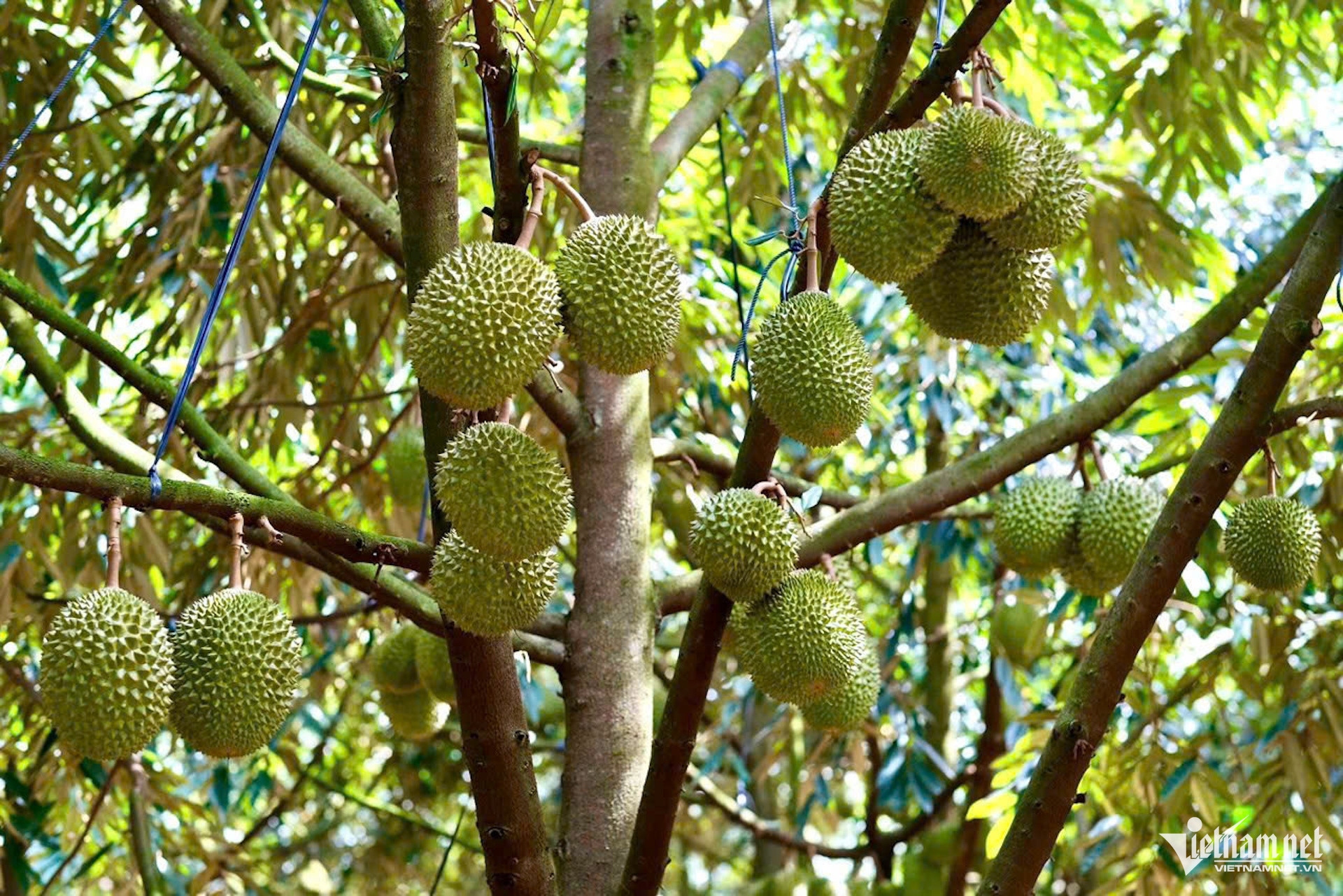
Citing customs data, the Vietnam Fruit and Vegetable Association (VINAFRUIT) said exports had reached about $1.1 billion as of August 18, 2026, up 1.4% from the previous month and 14.6% from a year earlier.
In the first eight months of the year, Vietnamese businesses earned nearly $5.87 billion from fruit and vegetable exports, an increase of 21.7% year on year.
Nguyen Van Muoi, deputy secretary general of VINAFRUIT, attributed much of the growth to durian, with the Central Highlands now entering the peak harvest season.
Durian exports alone were estimated at around $1.8 billion in the first seven months, up nearly 30% from the same period last year. If the current pace continues, full-year durian export revenue could reach $4 billion.
Muoi said fruit and vegetable exports exceeding $1 billion as early as August was an encouraging sign for the industry. Last year, the sector did not cross the monthly $1 billion threshold until September.
August also marked the second consecutive month in which Vietnam’s fruit and vegetable exports surpassed $1 billion.
With the current growth trajectory, VINAFRUIT expects Vietnam’s fruit and vegetable industry to move closer to its anticipated $10 billion export milestone.
Reaching that target, however, will require addressing several issues that could constrain export growth, Muoi said.
Particular attention needs to be paid to product quality and safety, as well as requirements governing growing-area codes, packing facility codes and traceability for exports.
Alongside government support, businesses also need to proactively explore new markets while diversifying their product offerings in established and key destinations.
China, in particular, still offers considerable room for expansion, Muoi said, noting that Vietnamese fruit and vegetables have only a limited presence in some major inland markets.
“In China, for example, there are still inland markets such as Beijing and Chongqing where Vietnamese fruit and vegetable products have a relatively limited presence. This presents an opportunity for businesses to deepen their market penetration,” he said.
Thu Ha
.svg)
