 Vietnamnet.vn

 Podcast



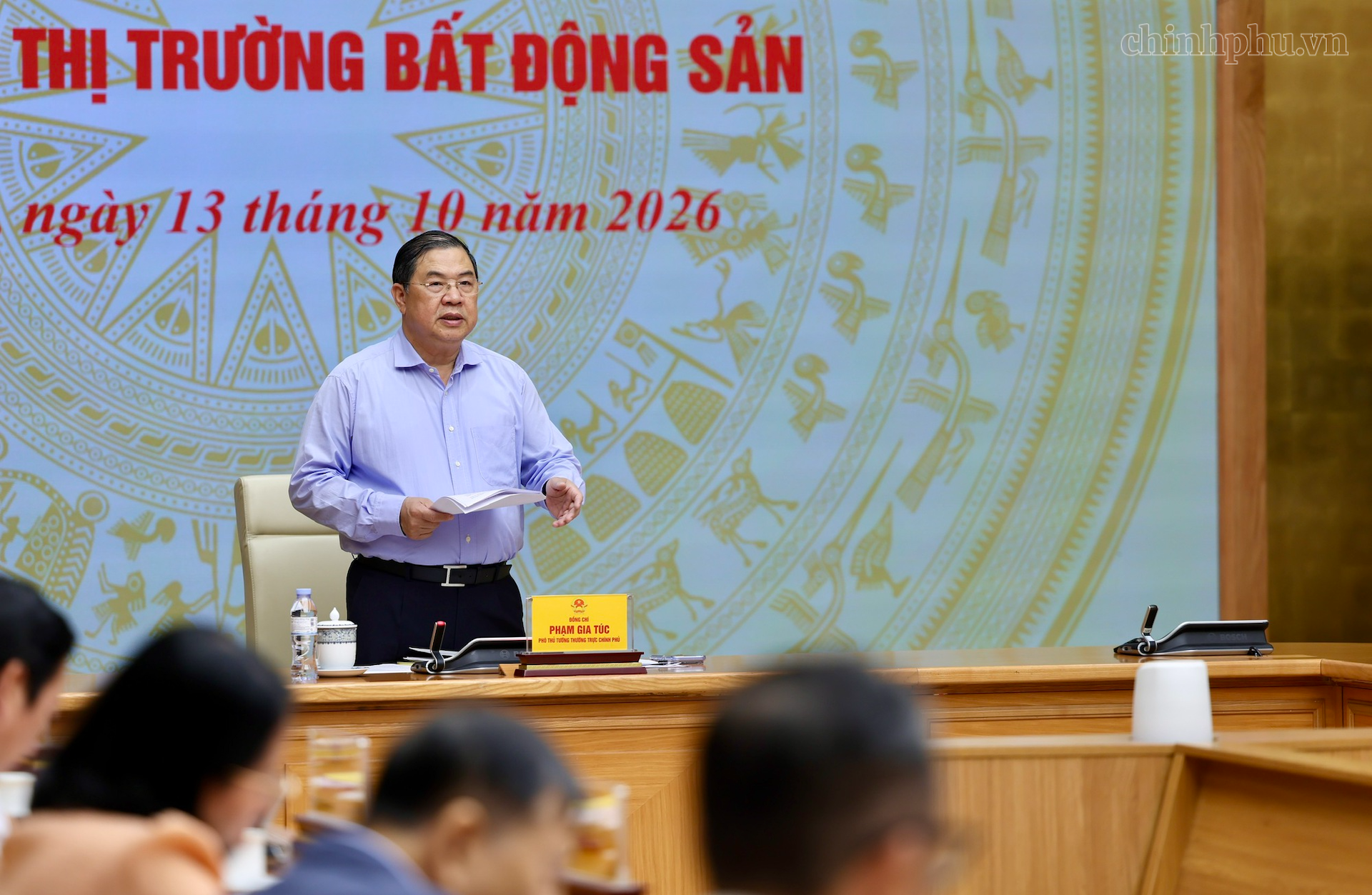
Standing Deputy Prime Minister Pham Gia Tuc, head of the Central Steering Committee for Housing Policy and the Real Estate Market, chaired the committee's first meeting following its restructuring on the morning of October 13.
Speaking at the meeting, Tuc acknowledged that despite positive developments, Vietnam's housing and real estate sector continues to face significant challenges in three major areas, according to the Government News Portal.
The first is the slow progress in developing social housing and rental accommodation.
While local authorities have been assigned a target of more than 97,000 social housing units for 2026, only nearly 47,000 were completed nationwide in the first nine months, equivalent to approximately 48% of the annual plan.
The second challenge is housing affordability.
Home prices remain beyond the financial reach of most people, particularly factory workers, wage earners and even some government officials and civil servants.
At the same time, unsold property inventories are rising, while difficulties in accessing credit continue to weaken purchasing power and the market's ability to absorb available supply.
The third issue involves numerous real estate projects that have remained stalled for extended periods, largely because of legal, land-related and financial obstacles.
These bottlenecks need to be resolved promptly to unlock resources for economic development, the Deputy PM said.
Regarding long-delayed projects, Tuc emphasized the responsibility of local Party secretaries to directly oversee the resolution of outstanding difficulties in accordance with assignments made by competent authorities.
Issues falling within local government jurisdiction must be proactively addressed by local authorities, while matters under the responsibility of ministries and central agencies must be handled by the relevant bodies.
Problems requiring the Prime Minister's authority or exceeding the powers of the responsible agencies must be compiled and submitted for consideration and resolution.
The government is ready to listen to and consider reasonable, well-founded recommendations from business associations and enterprises to improve regulations, policies and the legal framework, he said.
The Deputy PM stressed that the ultimate purpose of government policies is to advance national development and continuously improve people's material and spiritual well-being.
Ensuring access to housing is therefore an essential priority that requires practical policies and effective solutions.
Unsold property inventories continue to rise
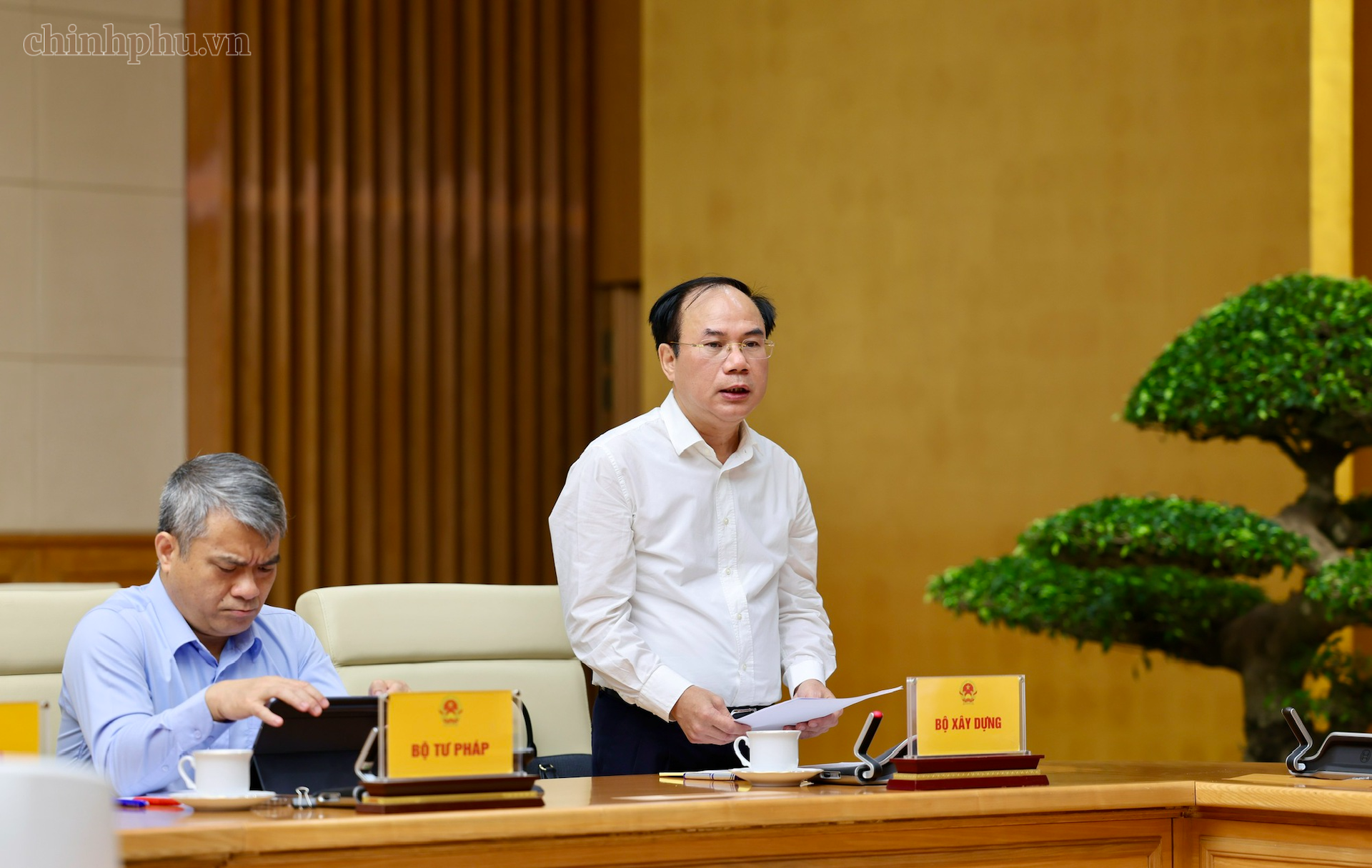
Reporting at the meeting, Deputy Minister of Construction Nguyen Van Sinh said Vietnam has recorded 2,221 real estate projects with combined investment capital of approximately $263 billion.
In the third quarter of 2026, the country registered around 92,004 successful real estate transactions, equivalent to 92% of the previous quarter's level.
Apartment and residential land plot prices on the secondary market showed a downward trend compared with the second quarter of 2026, but remained high in major cities.
Market liquidity was still weak, with transactions largely concentrated in projects that had completed their legal procedures and were located in favorable areas.
According to reports from 27 of Vietnam's 34 provinces and cities, unsold real estate inventories in the third quarter totaled approximately 51,950 housing units and land plots, an increase from the previous quarter.
Sinh noted that these figures covered only inventories reported by property developers.
A substantial amount of investment capital also remains tied up in unfinished projects, while transactions on the secondary market continue to face considerable difficulties.
Regarding social housing development, Vietnam currently has 947 projects covering 910,933 housing units that have been completed, are under construction or have received investment policy approval.
This represents approximately 91% of the government's target to develop at least one million social housing units.
Of these, 363 projects comprising 216,626 units have been completed.
Another 293 projects, with 363,065 units, are under construction, while 291 projects involving 331,242 units have received investment policy approval.
In the first nine months of 2026 alone, Vietnam completed 46,962 social housing units.
For rental housing, 8,314 units had been completed nationwide by the end of the third quarter, meeting 48% of the annual target.
The Ministry of Construction expects the country could complete 18,049 rental units by the end of 2026, reaching 105% of the yearly plan.
Notably, since June, construction has begun on 29 housing projects comprising 85,594 units.
Of these, 33,886 units are designated for rental housing, accounting for approximately 40% of the total.
Tran Thuong
.svg)
