 Vietnamnet.vn

 Podcast



Deputy Prime Minister Bui Thanh Son has signed a new decision abolishing the country’s previous fuel blending roadmap, paving the way for a major transition: starting June 1, 2026, all unleaded gasoline must be blended into E10 fuel for nationwide use.
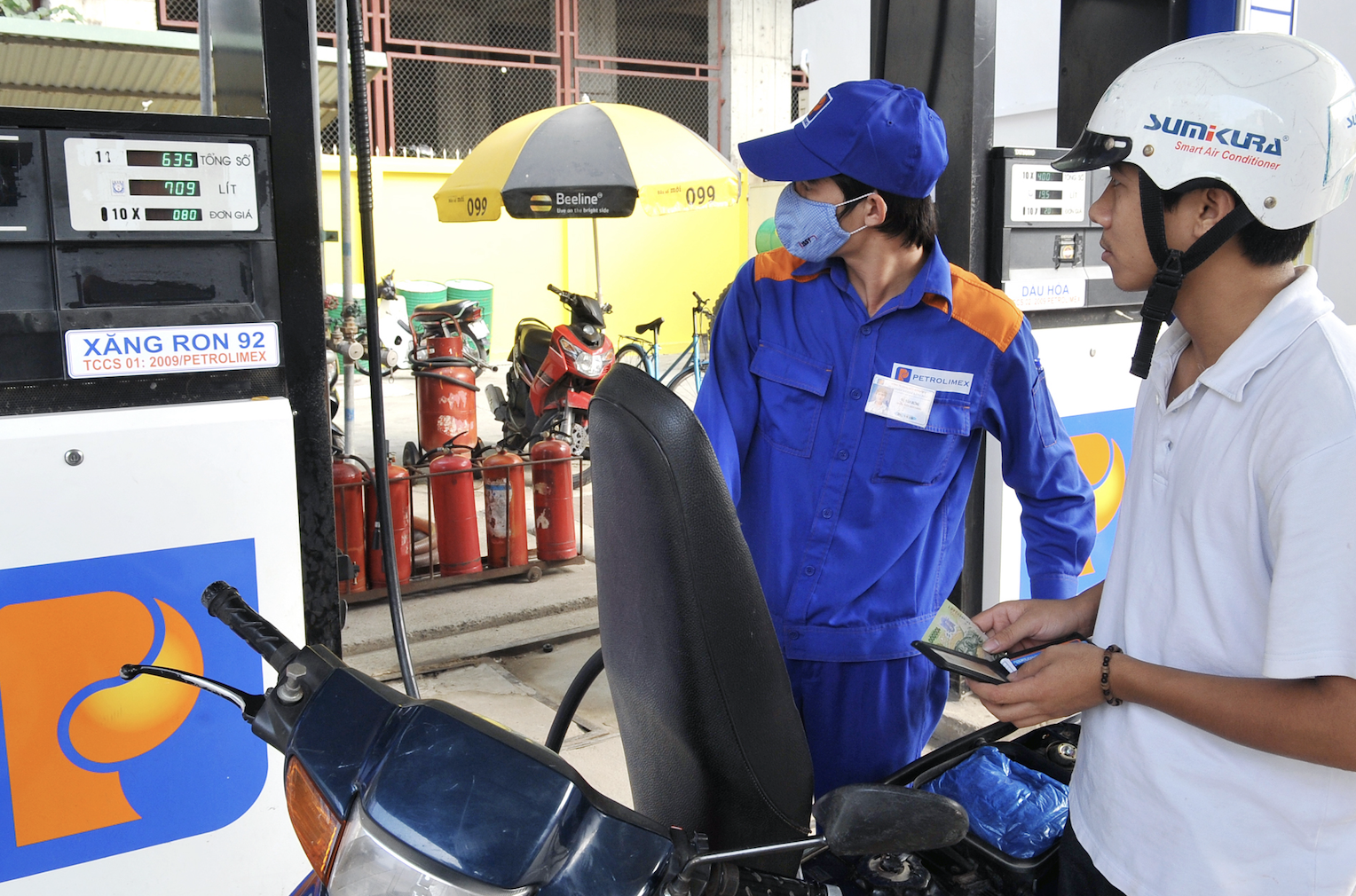
On December 11, Deputy PM Bui Thanh Son signed Decision No. 46/2025/QD-TTg, which officially repeals Decision No. 53/2012/QD-TTg that previously governed the blending of biofuels with traditional fossil fuels. The move clears the way for new regulations regarding E10 and E5 fuels, taking effect on June 1, 2026.
According to the Ministry of Industry and Trade, although Decision 53 helped lay the foundation for biofuels in Vietnam over the past decade, it has shown multiple shortcomings as the country enters a deeper phase of biofuel development. Therefore, a new and updated policy framework is necessary.
Clause 2, Article 15 of Decree No. 146/2025/ND-CP delegates the authority previously held by the Prime Minister on fuel blending ratios to the Ministry of Industry and Trade.
On November 7, the Ministry issued Circular No. 50/2025/TT-BCT, detailing the roadmap for applying biofuel blending ratios with conventional fuels. This circular will take effect on January 1, 2026.
Under this policy, from June 1, 2026, all unleaded gasoline in Vietnam must be blended into E10 biofuel for use in gasoline engines nationwide. The current E5 RON92 biofuel will continue to be available until December 31, 2030.
On November 25, Deputy PM Bui Thanh Son instructed the Ministry of Industry and Trade to work urgently with other relevant ministries and agencies to resolve outstanding issues and ensure the feasibility and consistency of biofuel production, blending, and distribution.
The Ministry of Industry and Trade has been tasked with evaluating the domestic and import capacity for ethanol supply, as well as the associated costs and potential impact on E10 gasoline prices.
Additionally, the Ministry must review the blending capacity of licensed fuel enterprises, determine supply capabilities, clarify responsibilities in case of supply shortages, and identify the scientific basis, responsible regulatory bodies, and inspection mechanisms to ensure quality and safety of E10 fuel.
The Deputy PM also urged the Ministry to propose regulatory solutions that would ensure E10 pricing remains fair and does not negatively impact consumers or businesses.
Tam An
.svg)
