 Vietnamnet.vn

 Podcast



The Northern Midlands and Mountainous Region is set to pursue green, sustainable, and comprehensive development.
The planning scope covers the entire territories of nine provinces: Cao Bang, Dien Bien, Lang Son, Lai Chau, Lao Cai, Phu Tho, Son La, Thai Nguyen, and Tuyen Quang.
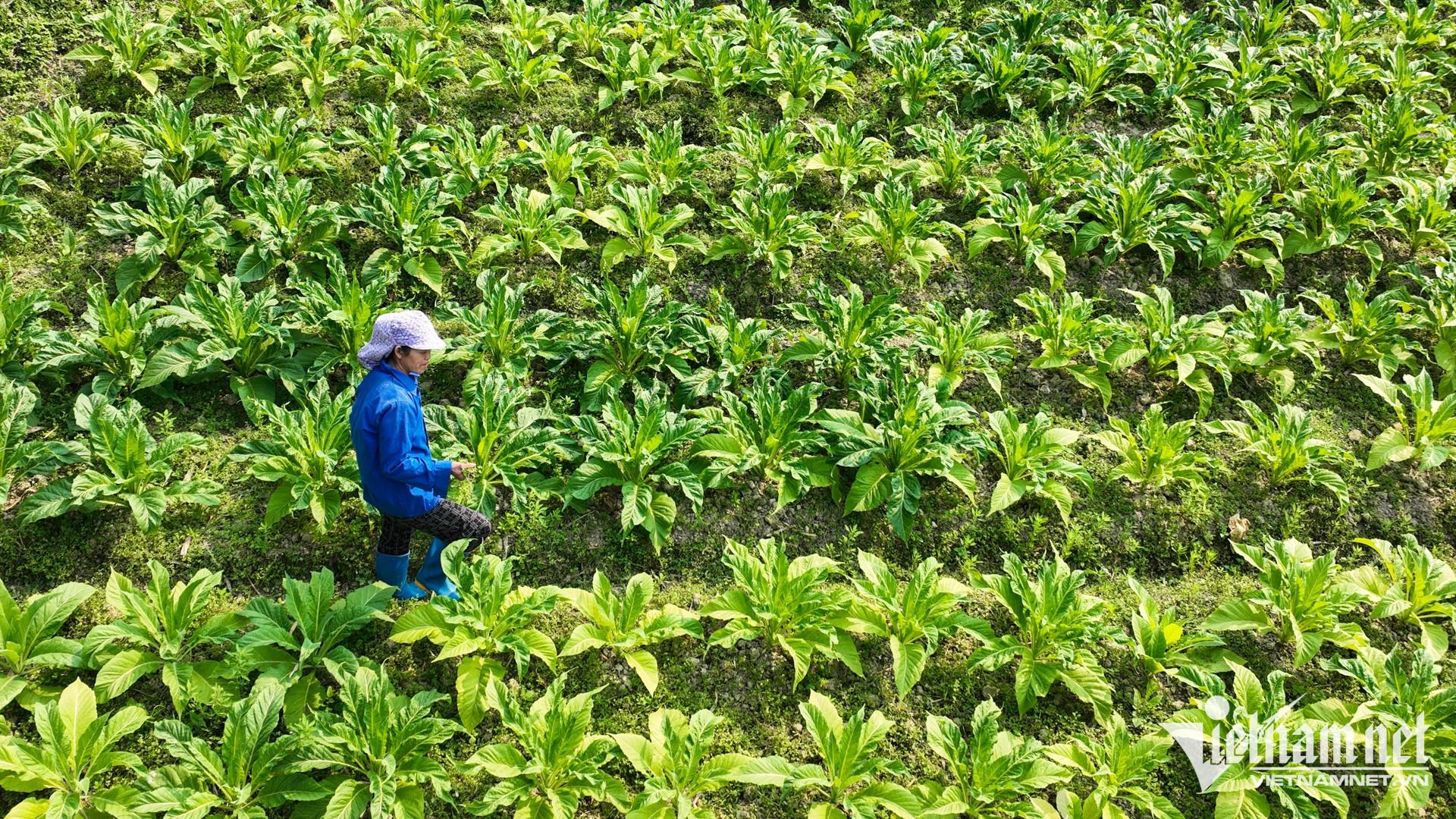
By 2030, the region aims to achieve green and sustainable growth with a modern, synchronized infrastructure system capable of adapting effectively to climate change. It is expected to strengthen both internal and interregional connectivity, as well as international links, positioning itself as a gateway connecting Southeast Asia with China, Central Asia, and Europe. The region is also envisioned as a major national center for agriculture, tourism, and industry.
Localities are expected to maintain high growth rates, with some provinces entering the group of relatively developed areas nationwide. Cultural identities of ethnic groups will be preserved and promoted, while both material and spiritual living standards continue to improve. National defense and security will remain firmly safeguarded.
The Red River Delta is targeted for rapid and sustainable development with a balanced economic structure and strong cultural identity.
The planning scope includes the entire land territories of six provinces and cities: Hanoi, Hai Phong, Ninh Binh, Hung Yen, Bac Ninh, and Quang Ninh, along with designated maritime and island areas.
By 2030, the region aims to become a fast-growing, sustainable economic zone driven by science, technology, innovation, and digital transformation. It will feature modern, environmentally friendly industry, agriculture, and services.
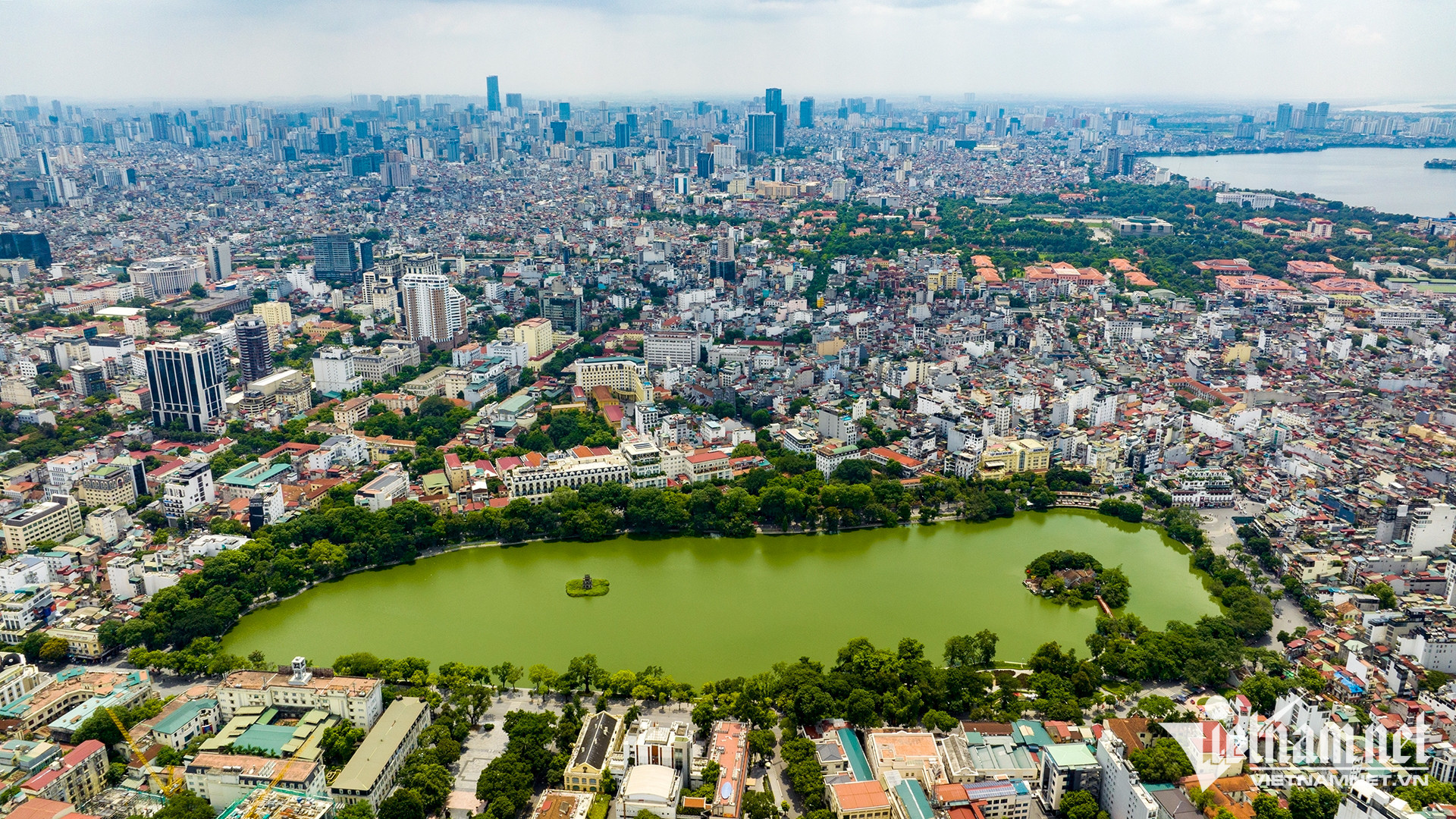
Living standards are expected to lead the country, with the region serving as a national center for high-quality education and human resource training, and a frontrunner in science, technology, innovation, and the digital economy. Infrastructure will be modern and integrated, supporting smart urban development.
The capital, Hanoi, is to develop along the orientation of “Civilization - Culture - Modernity,” becoming a leading center for economy, culture, education, science, and innovation. It is expected to act as a key growth driver for the region and the country, striving to reach the level of capitals in developed countries within the region.
National defense and security will be maintained, while foreign relations and international integration are to be comprehensive and effective. By 2030, the region aims to become a modern industrial hub approaching high-income status.
The North Central Region is envisioned to develop rapidly, dynamically, and sustainably, with strong marine-based economic growth.
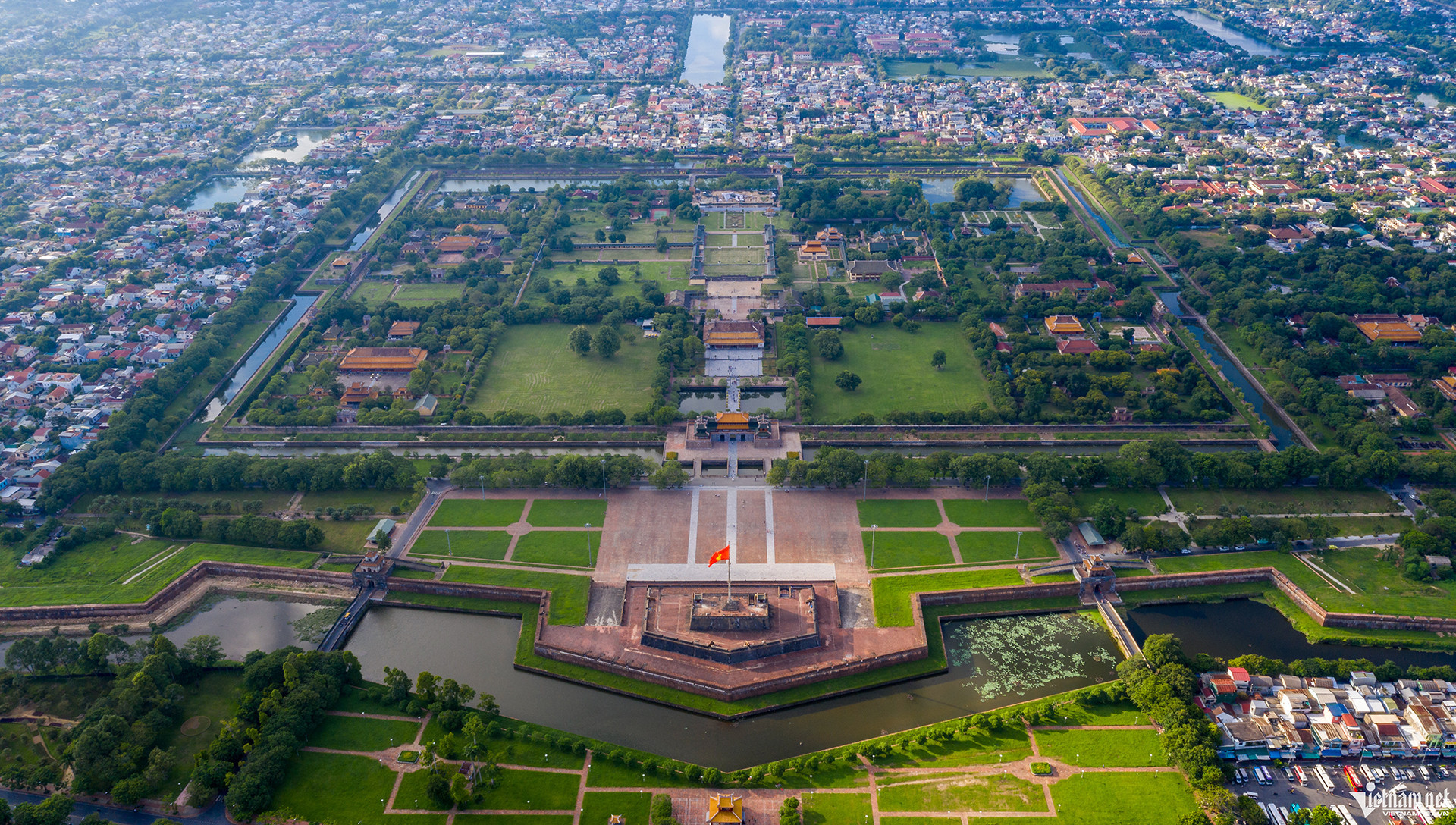
The planning scope includes Hue City and the provinces of Thanh Hoa, Nghe An, Ha Tinh, and Quang Tri, along with designated maritime areas.
By 2030, the region aims to achieve above-average income levels, with science, technology, and innovation as key growth drivers. Infrastructure will be modern and resilient, capable of withstanding natural disasters and adapting to climate change.
The region is expected to develop major industrial and service centers, coastal economic zones, and urban systems meeting national and regional standards. Cultural, historical, and ecological values of seas, islands, and forests will be preserved and promoted, while living standards continue to improve and national sovereignty is firmly protected.
The South Central Coast and Central Highlands region is targeted for rapid and sustainable development, leveraging strong linkages between sea, highlands, and border areas.
The planning scope includes Da Nang and the provinces of Quang Ngai, Gia Lai, Dak Lak, Khanh Hoa, and Lam Dong, along with maritime areas.
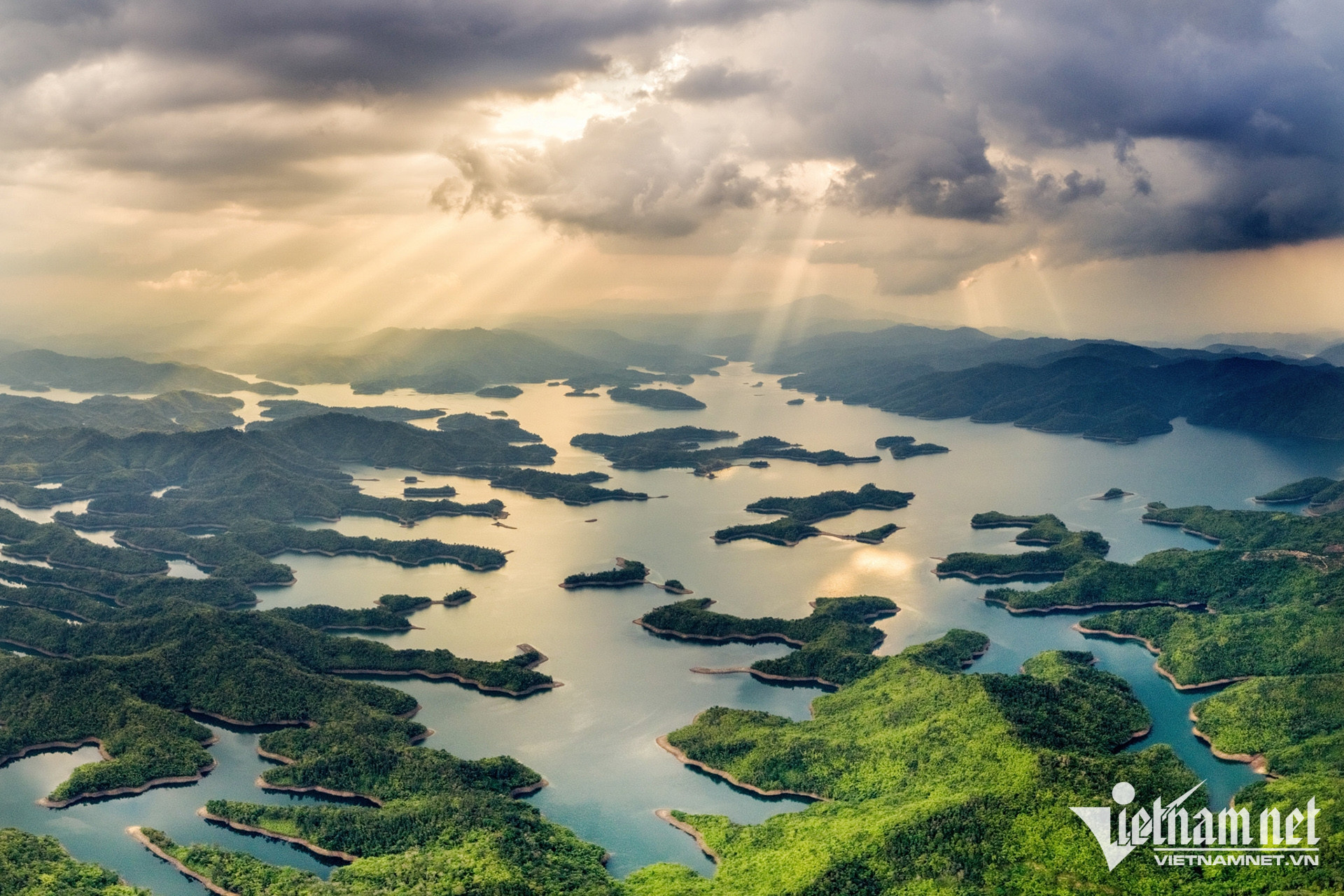
By 2030, the region is expected to develop a modern economic structure and become an attractive destination for marine, island, ecological, and cultural tourism.
The plan also aims to build a high-quality workforce capable of meeting the demands of processing industries, energy, logistics, high-tech agriculture, and the digital economy. Infrastructure systems, particularly in transport, energy, urban development, digital connectivity, and disaster prevention, will be increasingly modern and interconnected across north-south and east-west corridors.
Forest ecosystems, water security, and national defense will be ensured, while living standards continue to improve.
The Southeast Region is envisioned as a civilized, modern, and highly industrialized area surpassing the high-income threshold.
The planning scope includes Ho Chi Minh City, Dong Nai, and Tay Ninh, along with maritime areas.
By 2030, the region aims to become the country’s largest growth engine, with dynamic development and high growth rates. It is expected to serve as a major center for science, technology, innovation, high-tech and digital industries, logistics, and an internationally competitive financial hub.
The region will lead in establishing new growth models, digital transformation, and the development of culture, education, healthcare, green economy, circular economy, and low-carbon emissions, while adapting to climate change. Smart, green, and modern urban systems will be rapidly developed.
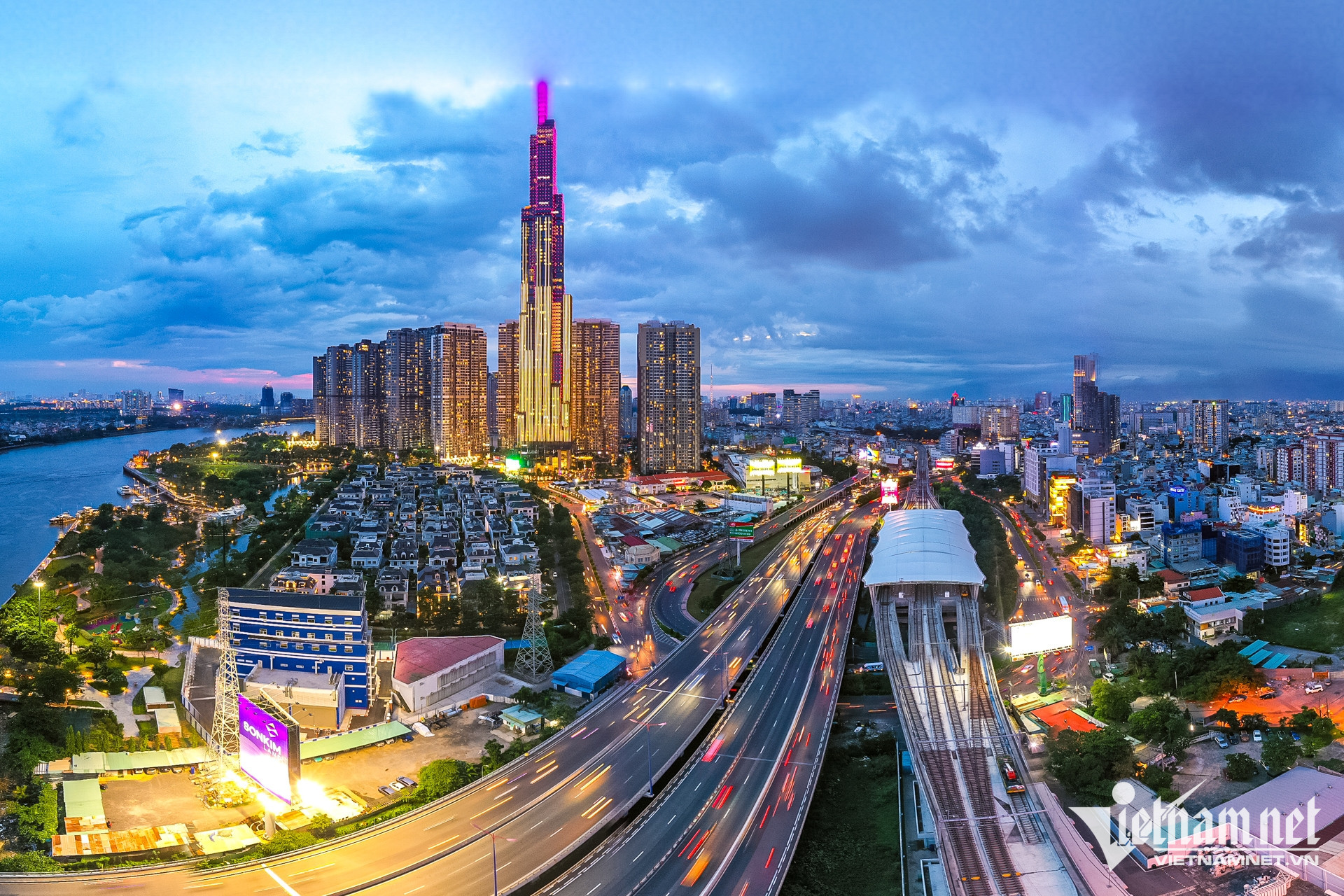
Infrastructure will be modern and well-integrated, supporting breakthrough growth and regional connectivity. The region will strengthen its role as a national hub for trade and international integration, enhancing Vietnam’s global image and standing.
Environmental pollution, traffic congestion, and flooding are expected to be largely addressed. Living standards and well-being will continue to improve, with national defense, security, and social order firmly maintained.
Ho Chi Minh City is envisioned as a modern, dynamic, and innovative metropolis that attracts talent, experts, and scientists. It will act as the core growth pole of the region and a leading center for the digital economy, finance, trade, culture, education, science, and technology nationwide. The city is also expected to develop into an international financial center, hosting global financial institutions and major corporations, with a prominent position in Southeast Asia and a development level comparable to major cities in Asia.
The Mekong Delta is set to become a sustainable, dynamic, and highly efficient agricultural economic center at national, regional, and global levels.
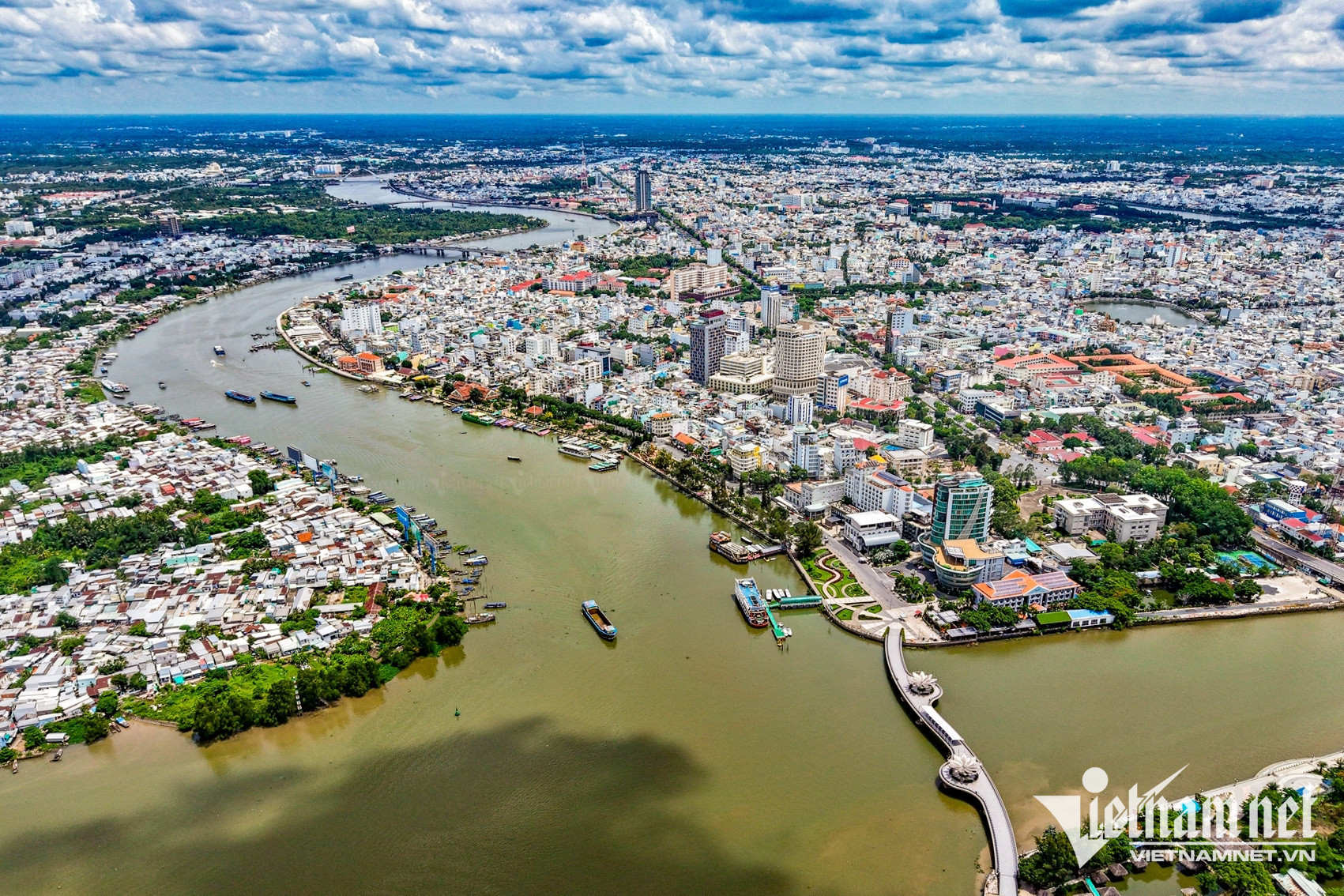
The planning scope includes Can Tho and the provinces of An Giang, Dong Thap, Ca Mau, and Vinh Long, along with maritime areas.
By 2030, the region aims to develop a network of agricultural hubs, economic corridors, and growth-driving urban centers, supported by synchronized infrastructure adapted to climate change. Marine and tourism economies will also be developed.
The Mekong Delta will enhance connectivity within the region and beyond, promote science, technology, and innovation, and improve human resource quality. It will foster a sustainable living environment with high quality of life, while preserving natural resources and ecosystems and maintaining the rich cultural identities of its diverse communities. Political stability, national defense, and security will be firmly ensured.
Tran Thuong
.svg)
