 Vietnamnet.vn

 Podcast



The Ministry of Home Affairs has outlined plans to reorganize villages and residential groups, aiming to reduce their number and create a more streamlined administrative structure aligned with regional characteristics and population scale.
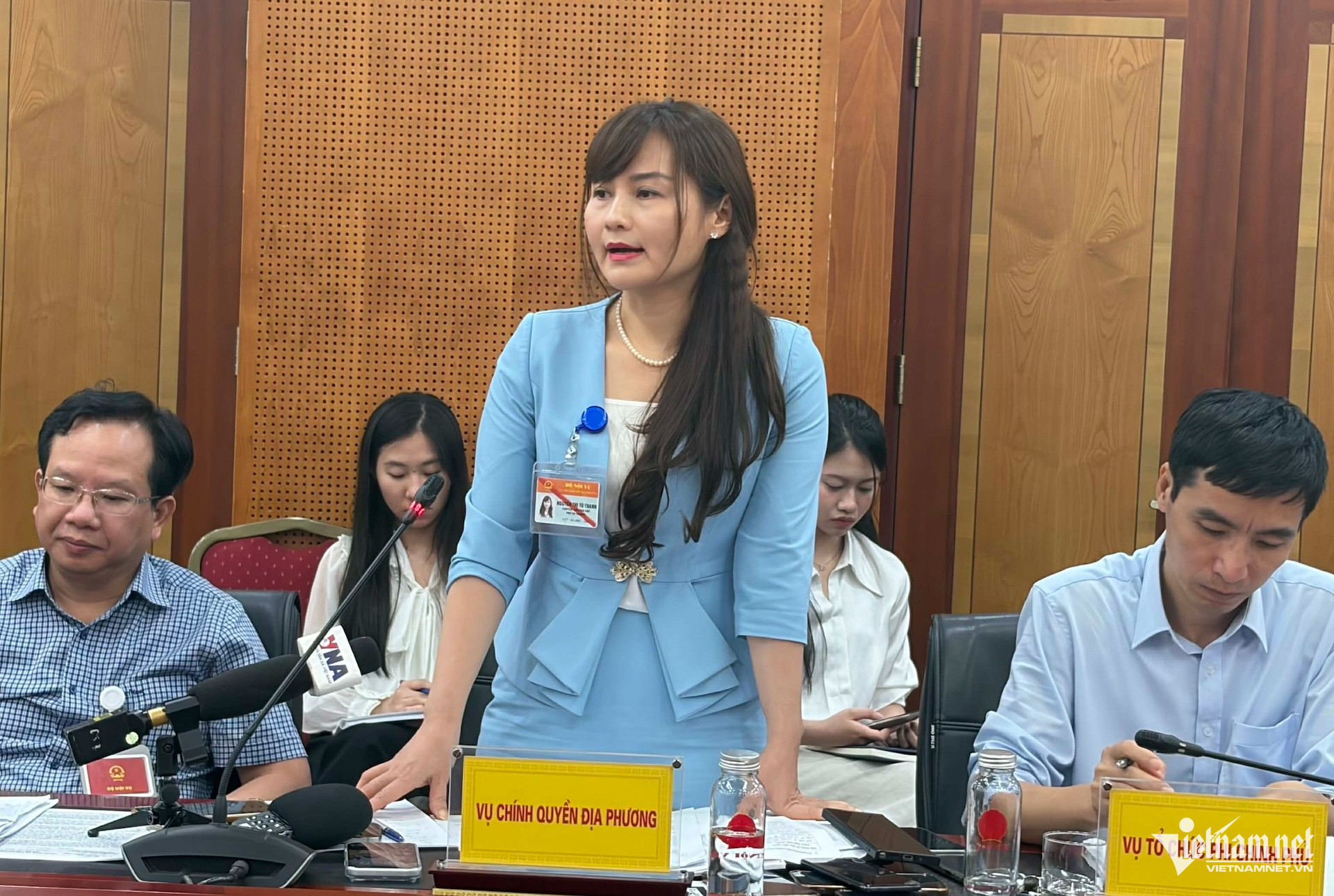
According to Thanh, the initiative is significant as it directly affects local organization and operations. The draft decree has therefore been carefully studied and developed, with the Ministry coordinating with relevant agencies to report to competent authorities.
The general direction, she said, is to consolidate units, reduce their number, and ensure alignment with practical conditions in different regions. The goal is to enhance operational efficiency, facilitate task implementation, and ease direct management pressure on commune-level authorities.
The draft decree on the organization and operation of villages and residential groups, as well as policies for part-time personnel, is being developed on the basis of existing regulations while introducing adjustments to ensure balance and suitability with the new administrative scale.
This approach is expected to encourage part-time staff to remain committed to their roles while improving overall effectiveness at the grassroots level. At the same time, policy design is aligned with broader goals of streamlining the apparatus, optimizing resource use, and matching local budget capacities.
Addressing challenges in the two-tier local government model
Responding to questions about difficulties encountered during nearly a year of implementing the two-tier local government model, Thanh acknowledged challenges related to infrastructure, information technology, and human resources.
So far, digital infrastructure and databases supporting administrative procedures have shown initial effectiveness. However, in some areas, infrastructure remains incomplete or inconsistent, and certain local-specific functions have yet to operate smoothly within the new system.
Regarding personnel, she noted that decentralization has significantly increased the workload at the commune level. In some areas, the quality of specialized staff remains uneven, with shortages in certain fields. In addition, some units continue to operate across multiple locations, complicating coordination and decision-making.
On institutional improvements, Thanh said most decentralization tasks have been addressed, though some areas still require further guidance and amendments to ensure consistency across legal frameworks.
Five key solutions moving forward
Looking ahead, the Ministry of Home Affairs will focus on five major groups of solutions.
These include continuing to refine institutional frameworks, particularly regulations on decentralization related to organizational structure and personnel management, ensuring clear responsibilities and stronger state management effectiveness.
The Ministry will also prioritize improving the quality of officials and civil servants, especially at the grassroots level, while reviewing and reorganizing commune-level personnel to better match job requirements.
In addition, efforts will be made to accelerate administrative reform, enhance digital infrastructure and data systems, and ensure greater connectivity and stability between central and local levels.
The Ministry will also work with other agencies and localities to manage public assets and surplus office facilities more effectively, aligning them with actual needs and avoiding waste.
At the same time, strengthening monitoring, supervision, and timely problem-solving remains a priority.
The Ministry has also advised the Prime Minister on issuing a plan to review one year of implementing the two-tier local government model. This milestone will allow for a comprehensive evaluation, drawing lessons, replicating effective practices, and proposing further improvements.
Thu Hang
.svg)
