 Vietnamnet.vn

 Podcast




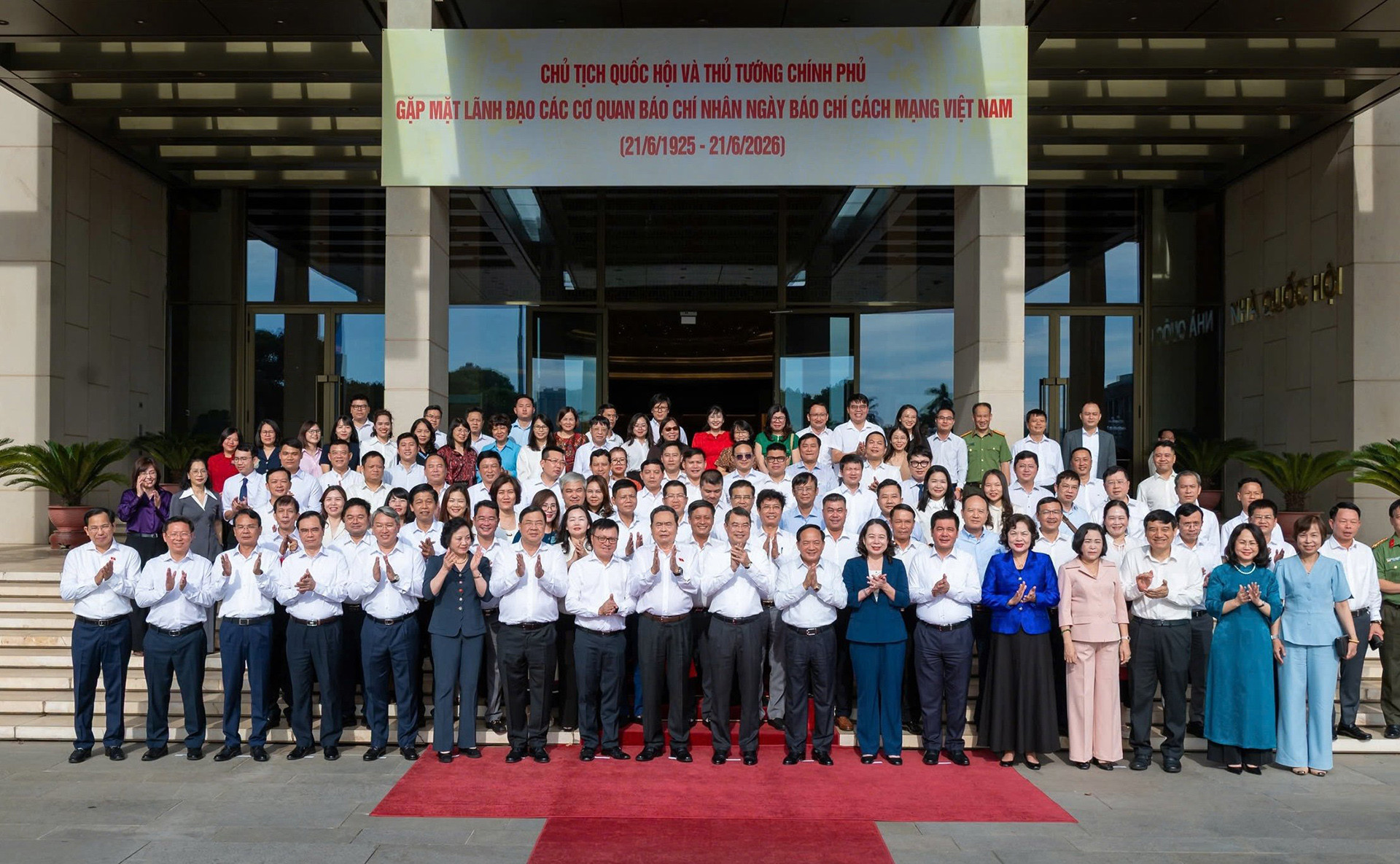
The first concerns reporting rights. For the first time, subordinate legislation clearly stipulates that if an agency or organization fails to respond to press inquiries within the prescribed deadlines - 30 days for issue resolution and 15 working days for recommendations or feedback - news organizations have the right to publish or broadcast the matter or escalate it to a higher authority. He described this as the strongest legal mechanism to date for protecting journalists' right to access information.
The second concerns press cards. Journalists transferring to another media organization while remaining eligible for accreditation will now be able to exchange their press cards immediately rather than applying from the beginning. Those who have returned their cards after an employment contract ends may still qualify for a card exchange if they join another media organization within 12 months under a contract of at least one year.
The third concerns media economics. Online news organizations will be legally permitted to integrate e-commerce, financial services, banking, insurance, education, healthcare and on-demand content services into their digital platforms. This provides a legal foundation for newsrooms to diversify revenue streams and reduce reliance on traditional advertising.
The fourth concerns technology. For the first time, media regulations explicitly encourage news organizations to apply artificial intelligence in content gathering, production, analysis and distribution. Phan Tam described this as an important legal signal supporting newsroom digital transformation.
Alongside these benefits, the decrees also introduce new obligations aimed at improving information governance and serving the broader interests of the media ecosystem. Phan Tam identified three areas requiring immediate preparation.
First, all social media channels operated by news organizations must be reported to regulators within 10 working days of their creation, regardless of platform, including YouTube, Facebook and TikTok. News organizations must also notify authorities at least 10 working days before closing a channel. He urged media organizations to review all existing channels and designate responsible personnel to handle compliance procedures from July 1.
Second, news organizations must preserve published and broadcast content in its original form. Online publications must retain content for three months, while radio and television broadcasters must preserve content for 30 days. Phan Tam emphasized that this requirement is not only about compliance but also serves as a crucial tool for protecting newsrooms in the event of content disputes. He encouraged organizations to assess storage capacity and internal procedures before July 1.
Third, media organizations will eventually be required to connect to the national electronic legal deposit system. Although the requirement takes effect on January 1, 2028, technical preparations should begin in 2026. Upgrading content management systems, servers and integration interfaces typically requires between 12 and 18 months. While the ministry will issue detailed technical guidance in 2027, news organizations were advised to assess infrastructure needs and allocate investment resources this year.
Greater emphasis on enabling development
Beyond institutional reform, the Ministry of Culture, Sports and Tourism is working with relevant agencies to develop a new strategy for managing and developing journalism in line with the Party's updated vision for media and communications in the digital era.
"What I want to emphasize is that as we enter a new stage of development, we need to focus not only on management but also on development - in other words, on enabling growth. The strategy under development prioritizes issues that require state regulators to work alongside media organizations to solve," Phan Tam said.
According to him, this includes developing resources for journalism through improved financial mechanisms, investment in facilities and technical infrastructure, and conditions that allow media organizations to operate professionally.
It also includes strengthening technological capabilities so that journalism can not only keep pace with digital tools but master emerging technologies ranging from big data to artificial intelligence.
Another priority is developing high-quality human resources - journalists who possess not only professional expertise but also technological competence, analytical thinking and strong political awareness.
The strategy also seeks to support sustainable media business models suited to the digital environment, with the state responsible for establishing legal frameworks and supportive policies that allow news organizations to generate stable and long-term resources.
Equally important is enhancing the competitiveness of Vietnamese journalism within the regional and global information space at a time when cross-border information flows are becoming increasingly seamless.
Phan Tam also emphasized the importance of building a dynamic, modern, innovative and sustainable digital media ecosystem. Such an ecosystem would involve active participation and shared responsibility among news organizations, journalists, state regulators, journalism and communications training institutions, technology companies, content producers, distribution platforms, advertisers and audiences.
He stressed that state regulators must not only create legal frameworks but also foster conditions that enable journalism to fully realize its irreplaceable social role. The ministry, he said, remains ready to listen to concerns regarding operational mechanisms and working conditions and to work with stakeholders to address them.
"One hundred and one years of Vietnam's revolutionary press is a journey defined by courage, intellect and dedication. In an era when technology is reshaping everything, that journey will continue, but it will require every news organization and every journalist to hold themselves to higher standards - not only in terms of speed and volume, but also quality, responsibility and public trust," Phan Tam said.
.svg)
