 Vietnamnet.vn

 Podcast



Marking the 71st anniversary of the Navy’s founding, he shared insights into its strategic direction in a rapidly evolving regional and global context.
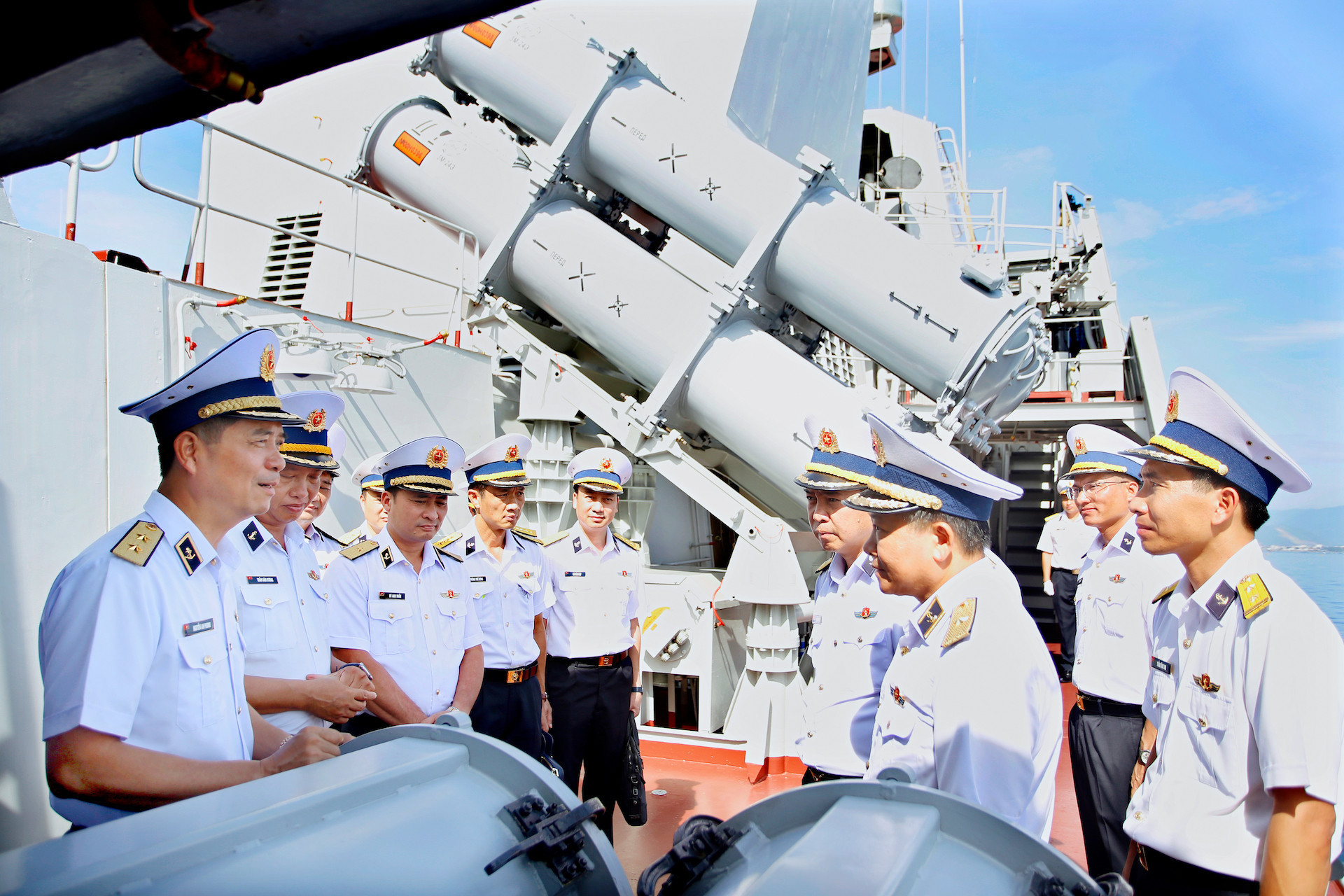
According to Vice Admiral Nguyen An Phong, the Navy has in recent years maintained a firm grasp of maritime developments, provided timely strategic advice, and effectively handled situations at sea without being caught off guard. These efforts have contributed to protecting sovereignty and preserving a peaceful environment for national development.
A notable highlight has been the growing depth of defense diplomacy. In early 2026, Ship 17 undertook a voyage across the Lunar New Year period to participate in the MILAN exercise in India. Shortly after, Ship 016 - Quang Trung joined the Kakadu exercise and an international fleet review in Sydney, Australia, completing a safe journey of more than 11,000 nautical miles.
These activities not only demonstrate operational capability and coordination, but also enhance the Navy’s reputation and standing in international cooperation, particularly with strategic partners and traditional allies.
Participation in both bilateral and multilateral mechanisms, he noted, allows the Vietnam Navy to integrate more deeply while contributing to safeguarding the nation “early and from afar” in the maritime domain.
Linking sovereignty protection with maritime economic development
Beyond its core defense mission, the Navy continues to play a central role in building a maritime posture closely tied to people’s livelihoods.
Programs such as “The Vietnam Navy as a pillar for fishermen at sea” and “The Navy supporting fishermen’s children” have been actively implemented.
In key areas including Truong Sa, DK1 and the southwestern waters, naval forces not only protect sovereignty but also contribute to socio-economic development, disaster prevention, and search and rescue operations.
“The Vietnam People’s Navy not only firmly safeguards maritime sovereignty but is also working to realise the goal of turning Truong Sa into an economic, cultural and social hub at sea, as well as a strong defensive outpost contributing to the protection of the nation’s sacred maritime sovereignty,” Vice Admiral Nguyen An Phong said.
Amid increasingly complex and unpredictable global developments, the Navy is committed to building a force that is “revolutionary, regular, elite and modern”.
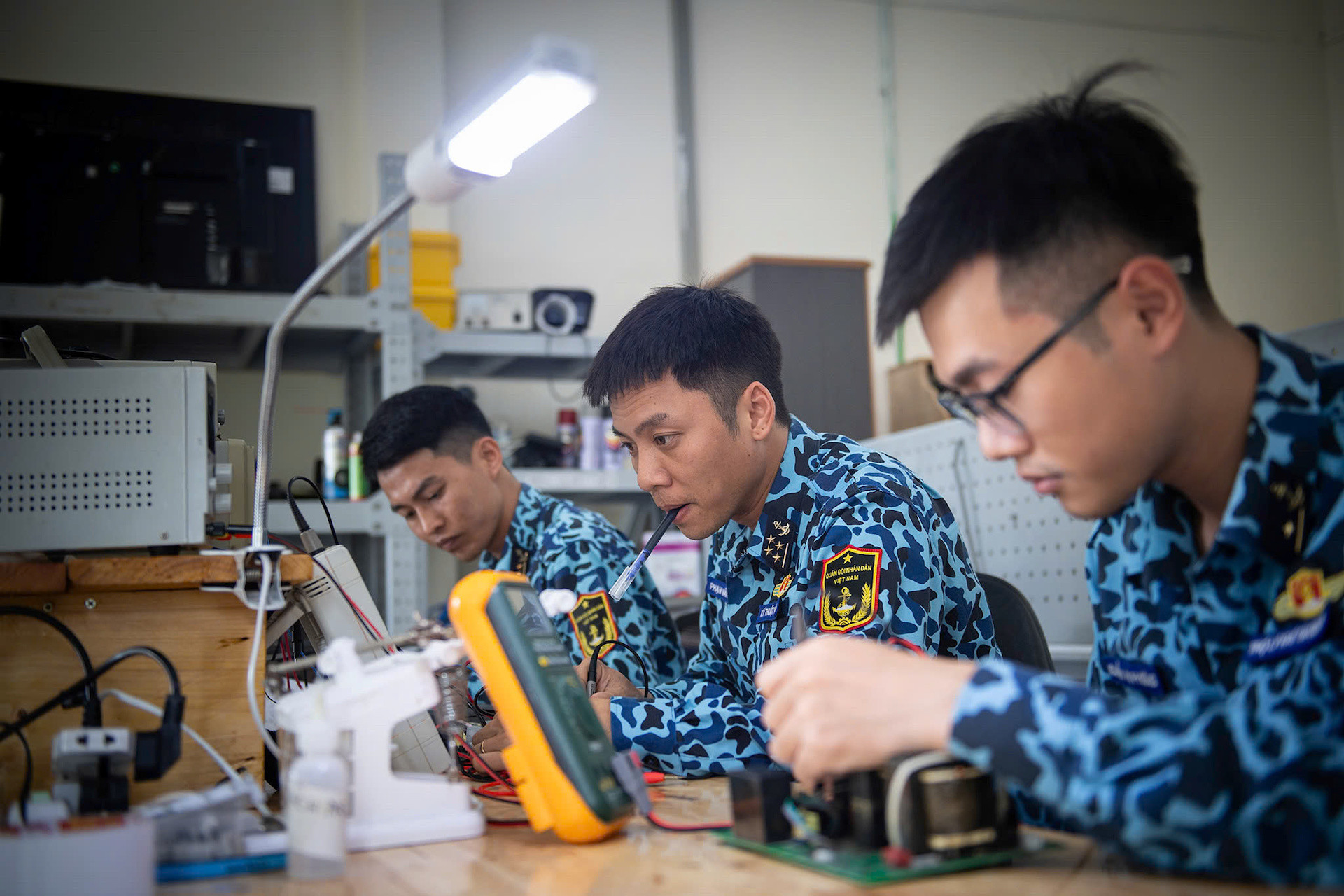
Key priorities include improving training quality and combat readiness, developing a highly capable officer corps adaptable to international environments, and accelerating digital transformation and administrative reform across the service.
The Navy is also placing emphasis on scientific research and technological application, gradually mastering modern weapons and equipment while enhancing self-reliance in logistics and technical support.
Drawing on Vietnam’s historical maritime warfare traditions, the force continues to adapt lessons from past conflicts while studying contemporary global military developments to refine naval doctrine.
The integration of military training with political education, discipline and standardisation has been identified as a decisive factor in strengthening overall combat power.
At the heart of this approach is the building of a strong “people’s posture at sea”. The Navy is intensifying mass mobilisation efforts, working closely with ministries, sectors and localities to promote maritime awareness and mobilise resources for development.
The spirit that “ships and islands are home, the sea is the homeland” is not merely symbolic. It is reflected in concrete efforts to support fishermen, develop the maritime economy and reinforce national unity.
Operational management is guided by a “six clear principles” approach: clear people, clear tasks, clear timelines, clear responsibilities, clear authority and clear outcomes - ensuring implementation is both effective and substantive.
With more than seven decades of development and a comprehensive modernisation strategy, the Vietnam People’s Navy is steadily affirming its role as a core force in safeguarding maritime sovereignty, while contributing to maintaining peace and stability for national development.
Thanh Hue
.svg)
