 Vietnamnet.vn

 Podcast


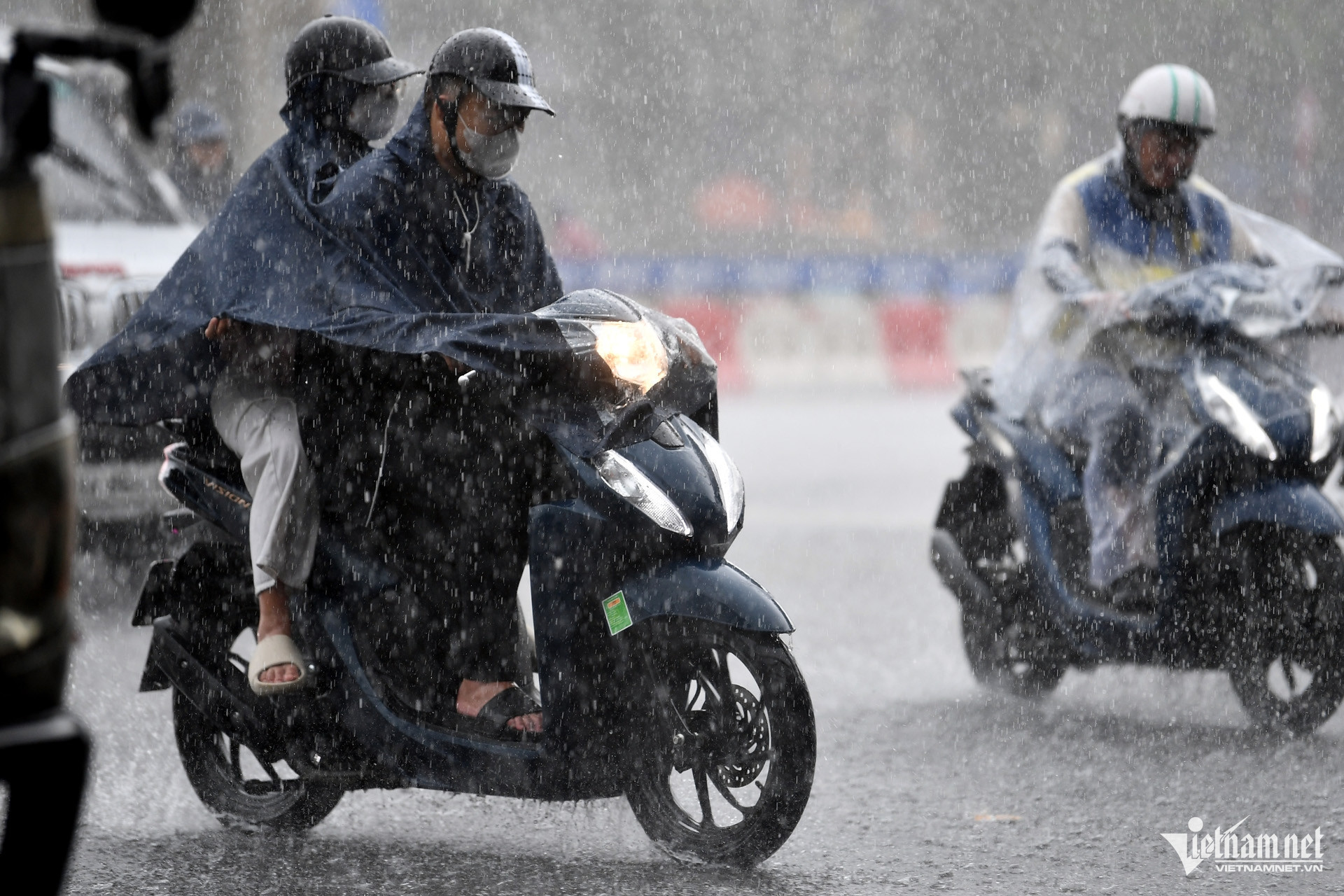
To ensure public safety and protect the property of residents and the State, the Prime Minister instructed the standing body of the National Civil Defence Steering Committee, relevant ministries and agencies, and provincial and municipal authorities to closely monitor developments and implement appropriate disaster response measures within their respective areas of responsibility.
Particular attention must be paid to heavy rainfall, flooding, landslides and flash floods, with timely and effective action to minimise casualties and property damage and ensure rapid recovery following natural disasters and emergencies.
Local authorities have also been instructed to inspect vulnerable areas, promptly identify potential hazards, issue early warnings and evacuate residents from locations at risk of severe flooding, landslides, flash floods and sudden torrents in narrow valleys.
Priority must be given to older people, children and other vulnerable groups.
Localities must deploy personnel to monitor hazardous locations, control traffic, issue warnings and guide road users.
Residents must not be allowed to cross submerged causeways or enter severely flooded areas, landslide-hit locations or areas at risk of landslides unless their safety can be guaranteed.
Authorities must also implement measures to address urban flooding, ensure the safety of dykes, reservoirs and dams, and keep personnel and equipment ready to support evacuations, search and rescue operations when necessary.
Military and police forces placed on standby
The Prime Minister also instructed the Ministry of National Defence and the Ministry of Public Security to coordinate with local authorities in deploying personnel and equipment to areas at high risk of severe flooding and isolation.
These forces must be ready to assist with evacuations, relocation of residents, search and rescue operations, traffic safety and the maintenance of security and public order in disaster-affected areas.
Relevant agencies and grassroots security forces have also been directed to remain on standby to help residents respond to flooding and carry out emergency rescue operations.
Kieu Oanh

