 Vietnamnet.vn

 Podcast


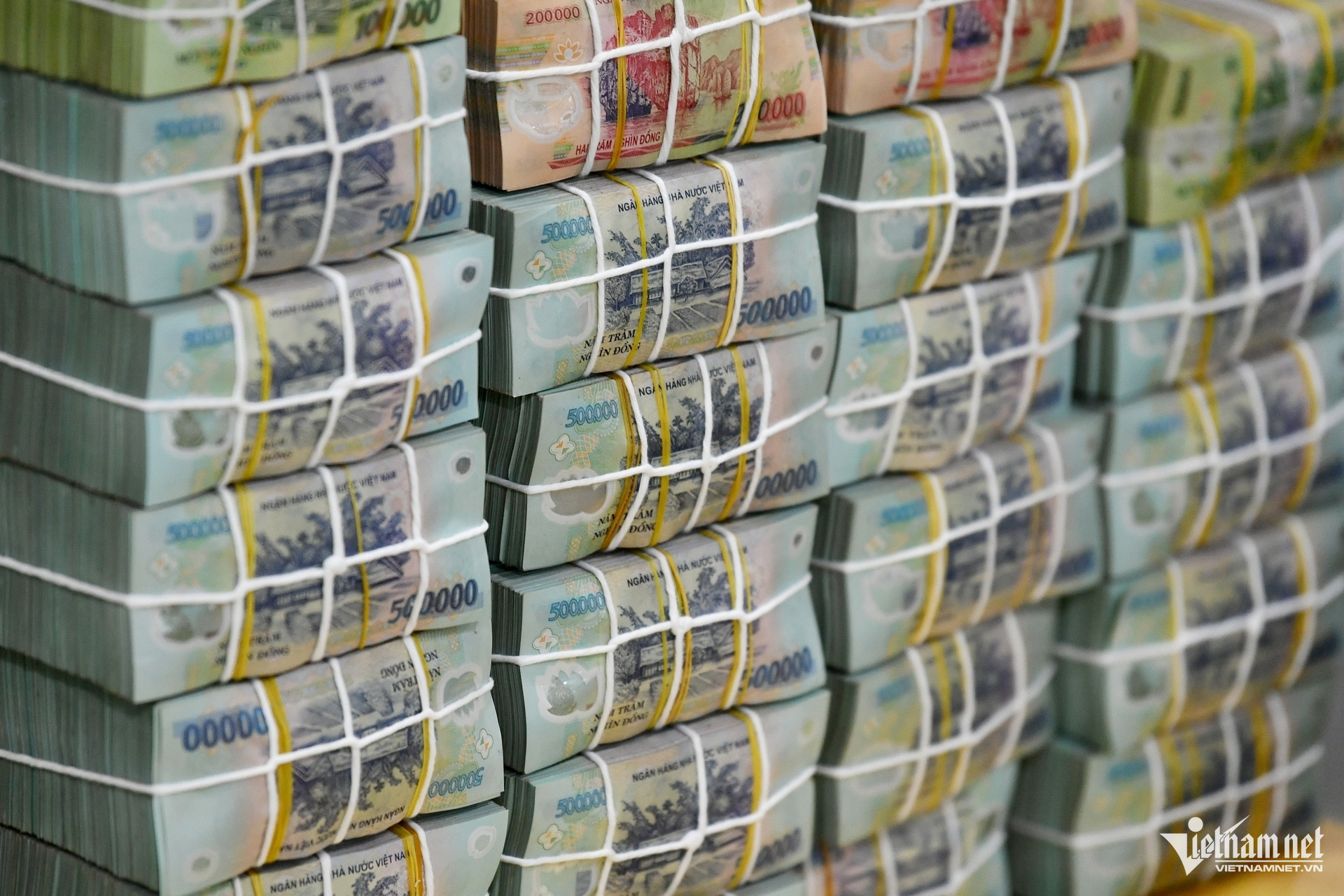
Domestic revenue is projected to reach VND2.9495 quadrillion ($113.4 billion), an increase of 10% from the estimated 2026 level, accounting for 88.5% of total budget revenue. Revenue from import-export activities is forecast at VND531 trillion ($20.4 billion), up 6%.
Crude oil revenue is expected to reach VND52 trillion ($2 billion), equivalent to 83.5% of the estimated 2026 level, based on an assumed oil price of approximately $75 per barrel and planned production of 8.5 million tonnes. Value-added tax refunds are projected at VND207.2 trillion ($8 billion), up 5.1%, while foreign aid revenue is estimated at VND9 trillion ($346 million).
The Ministry of Finance said the revenue estimates were prepared based on existing tax policies and budget revenue regulations, while maintaining certain tax exemptions and reductions to support businesses and production activities.
The government aims to restructure revenue sources toward greater sustainability, increasing the contribution of domestic revenue while reducing reliance on sources vulnerable to external developments.
On the expenditure side, total state budget spending in 2027 is projected at VND4.0743 quadrillion ($156.7 billion), an increase of VND915.2 trillion ($35.2 billion) over the 2026 budget.
Of this amount, approximately VND1.756 quadrillion ($67.5 billion) is earmarked for development investment, representing 43% of total expenditure, compared with 35.5% in the 2026 budget.
Recurrent expenditure, including public-sector salary reforms, is projected at VND2.0613 quadrillion ($79.3 billion), or 50.6% of total spending, down from 57.3% in the previous year's budget.
Central government expenditure is estimated at VND1.9557 quadrillion ($75.2 billion), up VND438.6 trillion ($16.9 billion). Development investment spending within the central budget is expected to reach VND757.2 trillion ($29.1 billion), an increase of VND287.2 trillion ($11 billion) over the 2026 allocation.
Public investment alone is allocated VND690 trillion ($26.5 billion), up VND260 trillion ($10 billion), with funding concentrated on nationally significant infrastructure projects and initiatives designed to stimulate economic growth under the 2026-2030 medium-term public investment plan.
Other development investment expenditure is projected at VND67.2 trillion ($2.6 billion). This includes investment support, compensation related to guaranteed product purchases from the Nghi Son Refinery and Petrochemical Complex, and additional charter capital for selected enterprises and banks.
Central government recurrent expenditure, including salary reforms, is estimated at VND980.9 trillion ($37.7 billion), up VND120.5 trillion ($4.6 billion).
Of this, approximately VND80.4 trillion ($3.1 billion) is allocated to salary reform, public-sector income adjustments and additional reserves for future salary reforms.
Local government expenditure is projected at VND2.1186 quadrillion ($81.5 billion), an increase of VND476.6 trillion ($18.3 billion). Development investment accounts for approximately VND998.8 trillion ($38.4 billion), while recurrent spending is estimated at VND1.0803 quadrillion ($41.6 billion).
Budget deficit projected at 4.5% of GDP
The 2027 budget estimates are based on ambitious socioeconomic targets, including GDP growth of at least 10%, GDP per capita of approximately $6,100 and consumer price inflation of around 4.5%.
The government also targets a 15% increase in merchandise exports and 12% growth in imports. Total realized social investment is expected to account for 36-38% of GDP, while labor productivity is projected to increase by 8.6%.
The budget deficit is projected at approximately VND740 trillion ($28.5 billion), equivalent to 4.5% of GDP and VND134.2 trillion ($5.2 billion) higher than the 2026 budget estimate.
Of the projected deficit, approximately VND588.8 trillion ($22.6 billion) is attributed to the central government budget and VND150.8 trillion ($5.8 billion) to local government budgets.
By the end of 2027, Vietnam's public debt is forecast at 34-35% of GDP, government debt at 33-34% and the country's external debt at approximately 30-31% of GDP.
To safeguard national financial security, the government plans to maintain debt sustainability indicators within prescribed limits, strengthen risk management and adopt a proactive, flexible approach to capital mobilization while preserving macroeconomic stability.
The government also aims to ensure that debt obligations are met fully and on schedule while improving the efficiency of borrowed capital.
The proposed budget includes approximately VND30 trillion ($1.15 billion) in contingency funding to give authorities flexibility in responding to economic fluctuations or potential revenue shortfalls.
In addition, the budget proposal calls for spending discipline from the beginning of the allocation process.
This includes setting aside 5% of public investment expenditure for urgent and nationally important projects, along with 10% of recurrent expenditure, separate from savings designated for salary reform, to provide additional funding for social welfare programs.
The government's broader fiscal strategy emphasizes coordination between fiscal, monetary and other macroeconomic policies.
Priority will be given to development investment, strategic infrastructure, social welfare, national defense and security, alongside stronger fiscal discipline and more efficient use of public funds.
Nguyen Le

