 Vietnamnet.vn

 Podcast


On the morning of October 23, Finance Minister Ngo Van Tuan, acting on behalf of the Prime Minister, presented the National Assembly with a draft law amending several provisions of the Corporate Income Tax Law, the Non-Agricultural Land Use Tax Law and the Personal Income Tax Law.
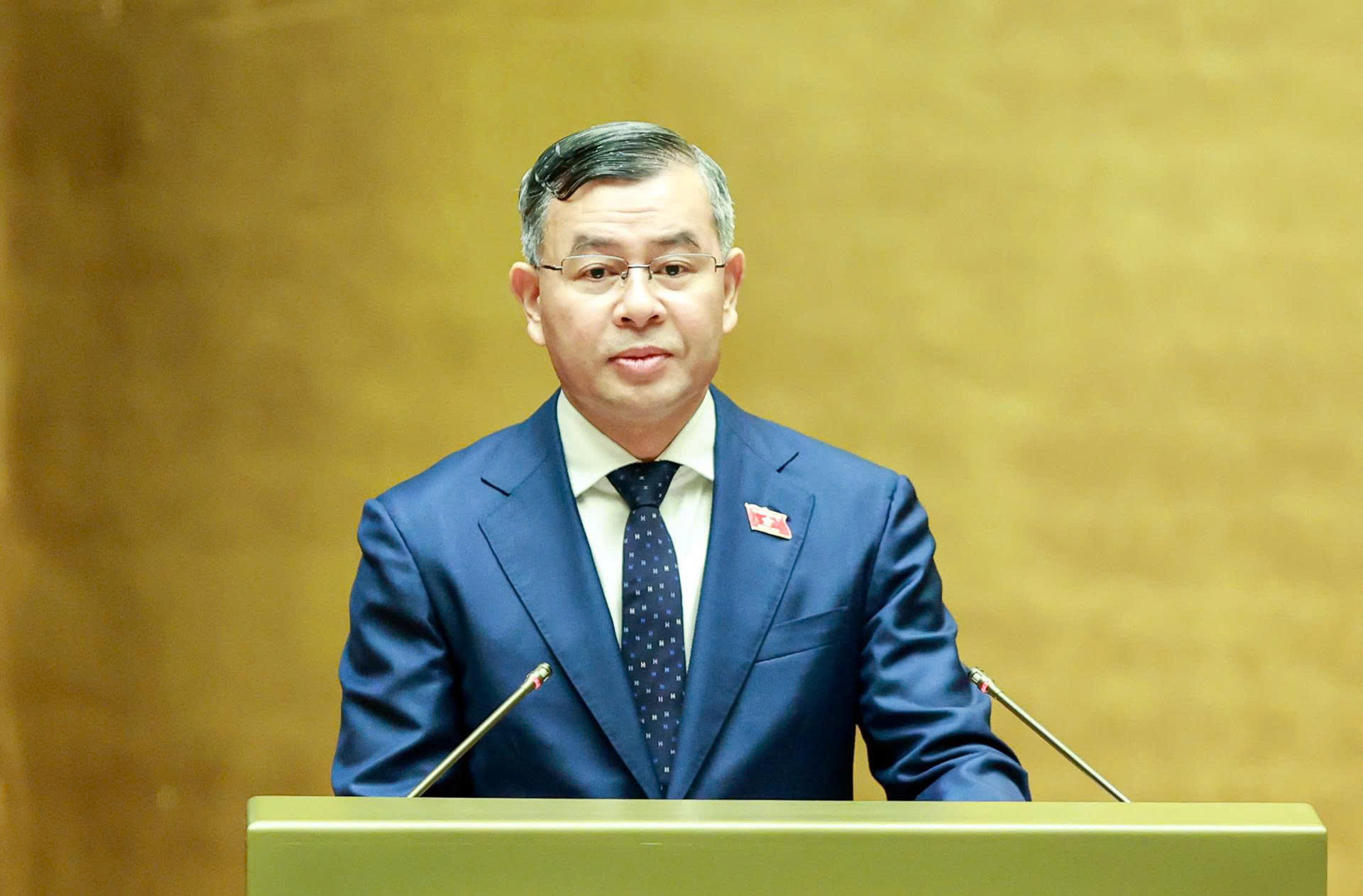
According to the government's submission, public science and technology organizations and non-profit public higher education institutions would be eligible for tax exemptions under government regulations.
The classification of public and private educational institutions operating on a non-profit basis would follow existing legislation on education, vocational education and higher education.
The draft law also introduces a new tax rate for abandoned land, land that has not been put into use and land whose use has been delayed.
Under the current Non-Agricultural Land Use Tax Law, provisions already exist to encourage economical and efficient land use. However, the law does not specify tax rates for abandoned, unused or delayed-use land.
The government said the proposed amendment would help implement the Communist Party Central Committee's Resolution No. 21, which calls for the development of financial and tax policies, with an appropriate implementation roadmap, to promote efficient land use.
The resolution also emphasizes addressing land abandonment and delays in bringing land into use, including through higher taxes on abandoned and unused land.
Under the government's proposal, abandoned land, unused land and land whose use has been delayed would be subject to a tax rate of 0.2%, without applying land-area thresholds.
The classification of these land categories would be determined under land legislation.
Concerns over two tax rates applying to the same land
Presenting the National Assembly's appraisal report, Phan Van Mai, Chairman of the Economic and Financial Committee, said the committee supported the principle of introducing a 0.2% tax rate without land-area thresholds for abandoned, unused and delayed-use land.
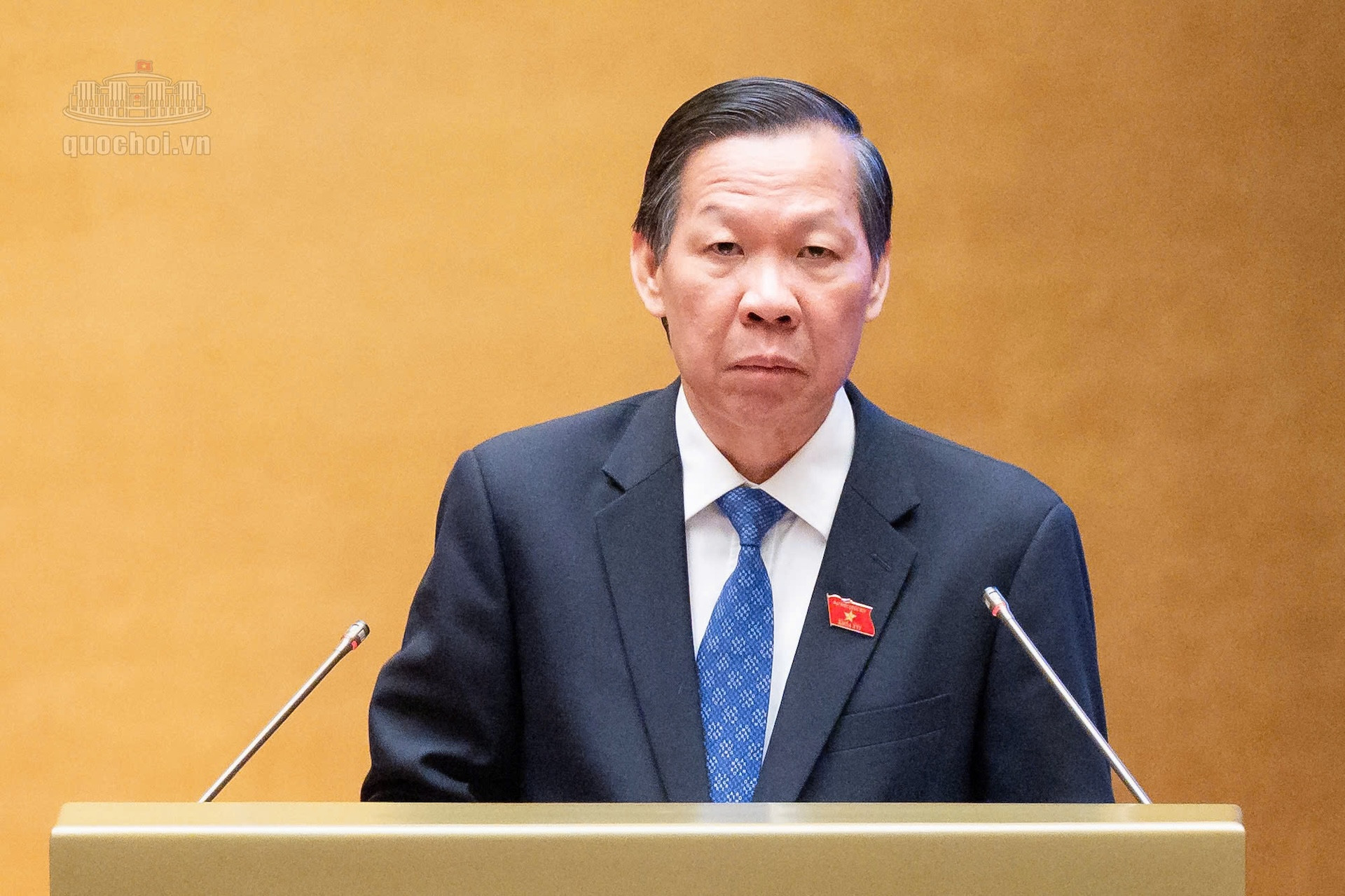
However, the committee identified several inconsistencies between the proposed amendments, the existing Non-Agricultural Land Use Tax Law and the draft revised Land Law.
It warned that the proposed provisions lacked clarity and could create difficulties in implementation.
Under current legislation, land not used in accordance with regulations is subject to a tax rate of 0.15%. This category essentially includes land that has not been put into use or whose use has been delayed.
Introducing the proposed 0.2% rate without clarifying its relationship with the existing provision could create a situation in which the same land parcel appears to be subject to two different tax rates.
The committee also questioned the draft law's references to land legislation.
The proposed amendments refer to three categories: abandoned land, unused land and land whose use has been delayed.
However, the draft revised Land Law defines only abandoned land and the circumstances under which abandoned land may be recovered because of violations of land regulations.
As a result, the committee said the proposed cross-references lacked a sufficient legal basis for implementation.
Another concern involves land allocated to investment projects that remains unused or is brought into use behind schedule.
Under the draft revised Land Law, investors in such projects would be required to pay progressively increasing additional land-use fees or land rents each year, on top of their existing financial obligations.
If an investor fails to put the land into use after more than 60 months, the state would recover the land.
These additional payments would be classified as state budget revenue from land-use fees and land rents.
The government explained that both the proposed additional payments and the 0.2% land tax were intended to implement Resolution No. 21 concerning unused or delayed-use land allocated to investment projects.
However, the Economic and Financial Committee warned that imposing both measures on the same parcel could result in overlapping financial obligations for the same violation.
An investor could be required to pay progressively increasing land-use fees or rents under the revised Land Law while simultaneously paying the proposed 0.2% non-agricultural land use tax.
The committee also noted that the draft legislation had not adequately assessed its potential impact on state budget revenue.
This was partly because tax authorities had not yet compiled comprehensive statistics on the relevant land categories within their management systems.
In addition, the proposed provisions did not exclude periods affected by force majeure or land allocated to approved investment projects implemented in phases.
Without such exemptions, landowners and investors could face additional taxation even when delays result from circumstances beyond their control.
The committee further pointed out that Resolution No. 21 calls for the development of financial and tax policies according to an appropriate roadmap, with higher taxes specifically targeting abandoned and unused land.
The government's proposal would extend the same 0.2% rate to land whose use has merely been delayed, without sufficiently explaining the legal basis or implementation timetable for doing so.
The committee therefore requested that the drafting agency clarify the relationship between the proposed 0.2% tax and financial obligations imposed under land legislation.
It stressed the need to prevent overlapping payments while ensuring that the amendments do not reduce the financial obligations of landowners currently subject to the 0.15% tax rate.
Tran Thuong

