 Vietnamnet.vn

 Podcast



The draft 2026 Criminal Code is expected to be submitted to the National Assembly for discussion during an extraordinary session in August before being considered for approval in October.
Addressing emerging forms of crime
According to the ministry, practical experience in enforcing the current Criminal Code has revealed new forms of criminal activity that pose significant risks to society but are not yet covered under existing criminal law.
To address these gaps, the draft introduces seven new criminal offenses, primarily targeting crimes related to economic management, cybersecurity, high technology, public safety, environmental protection and organized criminal groups.
New cybercrime offenses
The draft proposes two new offenses in the field of cybersecurity and digital technology: Illegal infringement of personal data; Obstruction of personal data protection activities.
The ministry noted that violations involving personal data have become increasingly widespread on digital platforms, creating opportunities for other crimes such as online fraud, identity theft, the opening of bank accounts, e-wallets and securities accounts using false information, illegal gambling, money laundering and unlawful marketing.
Authorities said the new offenses would also help distinguish between criminal and administrative liability while aligning Vietnam's legal framework with sector-specific regulations on personal data protection and the United Nations Convention against Cybercrime (Hanoi Convention).
To avoid overlapping legal provisions, the draft also proposes amendments to Article 159 concerning violations of the privacy and security of correspondence, telephone communications and other private communications.
Stronger environmental protections
The draft also introduces two new environmental offenses:
Violations involving the handling of municipal solid waste, ordinary solid waste or wastewater without hazardous environmental parameters that nevertheless causes environmental pollution.
Illegal fishing.
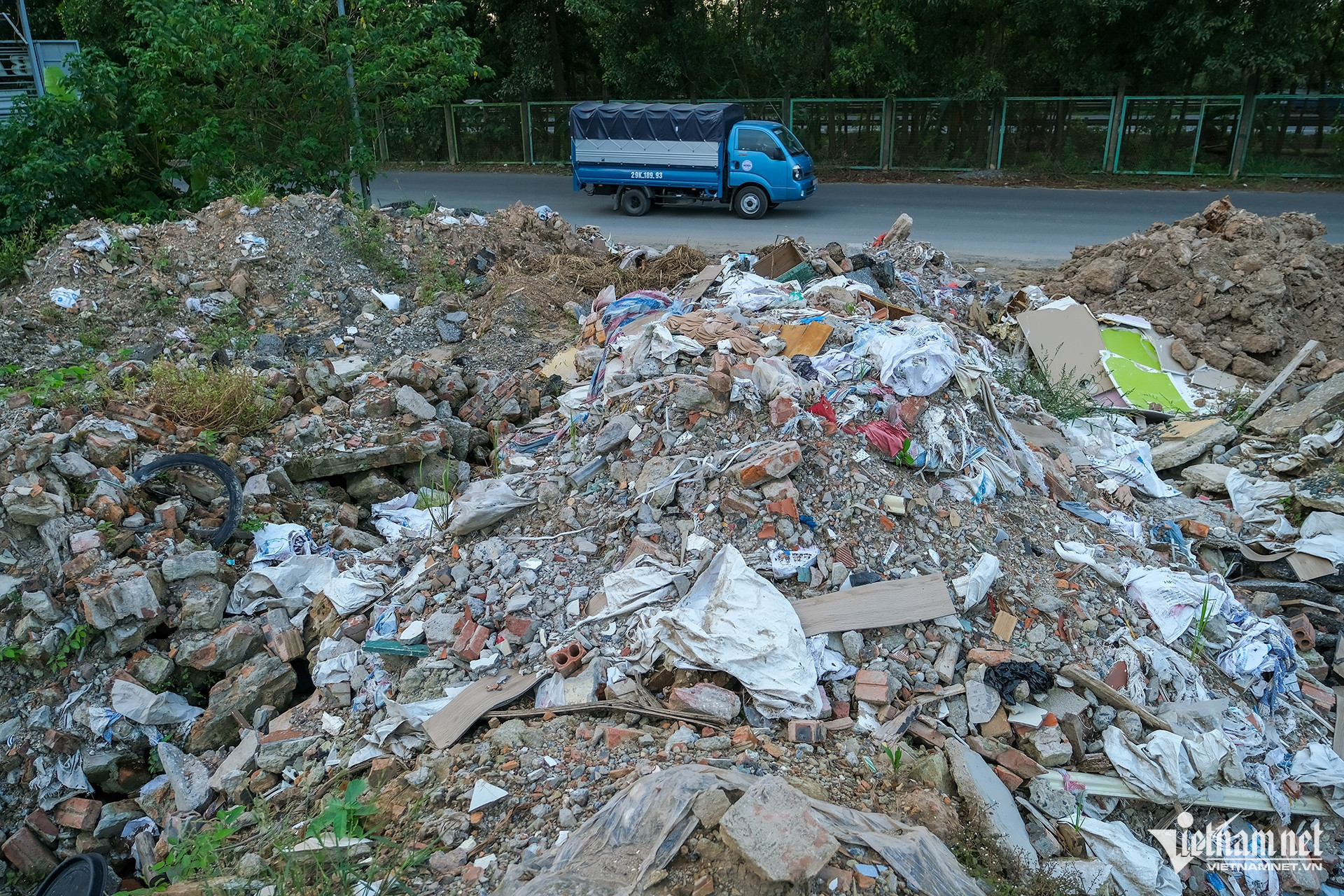
According to the Ministry of Public Security, illegal waste disposal - including burning, burying and dumping waste - has become increasingly common at manufacturing facilities, traditional craft villages, residential areas and waste collection sites.
Authorities say excessive emissions of toxic gases, odors, dust, noise and vibrations have become persistent problems that threaten public health and the environment.
Although many of these acts are already subject to administrative penalties, the ministry believes criminal sanctions are necessary for the most serious cases.
The proposed offense would separate these violations from existing provisions under Article 235 of the Criminal Code, allowing penalties to better reflect the seriousness of environmental damage while strengthening deterrence and closing legal gaps.
Regarding illegal fishing, the ministry noted that although sector-specific laws prohibit illegal, unreported and unregulated (IUU) fishing, current criminal provisions mainly focus on acts that directly destroy aquatic resources.
The proposed offense aims to strengthen fisheries management, combat IUU fishing, protect Vietnam's sovereign rights and maritime jurisdiction, safeguard the interests of fishermen and seafood businesses, and fulfill the country's international commitments.
Organized crime and weapons proliferation
The draft also proposes two new offenses related to public safety: Proliferation of weapons of mass destruction; Financing the proliferation of weapons of mass destruction.
Vietnam already has legislation governing the prevention of weapons proliferation, but the ministry argues that criminal penalties should be introduced for particularly dangerous conduct to ensure consistency with specialized legislation.
The proposal would also help Vietnam implement recommendations from the Financial Action Task Force (FATF) and the Asia/Pacific Group on Money Laundering (APG).
In addition, the draft introduces a separate offense covering the establishment of or participation in an organized criminal group.
The ministry said the provision would distinguish criminal liability between organizers, masterminds and leaders on one hand, and ordinary participants on the other.
It also aligns Vietnam's domestic legislation with the United Nations Convention against Transnational Organized Crime, which calls on member states to criminalize participation in organized criminal groups.
According to the ministry, the amendment reflects the growing complexity of organized crime, particularly criminal networks operating across provinces and national borders, including cybercrime, fraud, illegal gambling, human trafficking, drug trafficking, money laundering and criminal organizations operating under the cover of legitimate businesses.
Tran Thuong
.svg)
