 Vietnamnet.vn

 Podcast



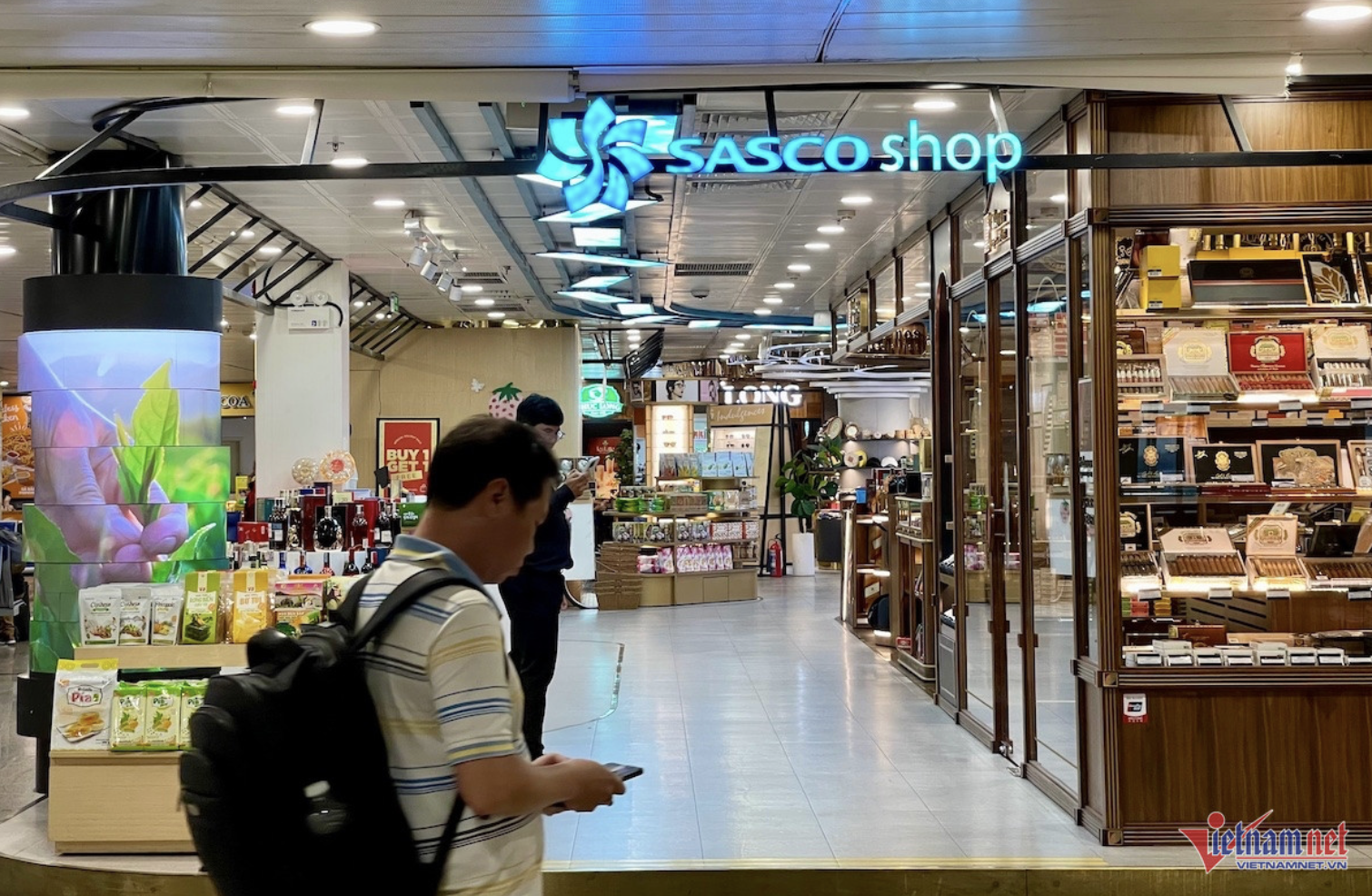
The Ministry of Industry and Trade has approved a plan to develop outlet models in Vietnam through 2030, with a vision to 2045. The plan identifies three formats: premium outlet villages, urban/suburban outlet centers and integrated outlets.
The plan aims to establish at least one outlet model in Vietnam by 2030, while gradually completing the legal framework and incorporating outlet development into the planning and development programs of localities with strong potential.
Between 2030 and 2045, outlets are expected to expand across Vietnam’s northern, central and southern regions, with at least one model in each region.
The plan also targets training and capacity-building for at least 5,000 officials, civil servants and businesses involved in outlet management, operation and development by 2030.
Notably, Vietnamese goods and products are expected to account for at least 30-40% of merchandise at pilot outlet developments.
By 2030, Vietnam also aims to develop at least 10 groups of “national gift” products for sale at outlets, prioritizing national brands, five-star One Commune One Product (OCOP) products, outstanding rural industrial products and pioneering Vietnamese goods.
The plan identifies three outlet models suited to different market conditions.
Premium outlet villages will have 30,000-50,000 square meters of leasable space and feature open village-style architecture. They will combine shopping with restaurants, cafes, recreation, entertainment, and cultural and artistic activities.
These developments will bring together mid-range, premium and luxury brands and are expected to be located near major urban centers, tourist destinations and transport hubs such as expressways and airports.
Urban/suburban outlet centers will offer 5,000-25,000 square meters of leasable space and may be developed in indoor or outdoor formats.
They will focus on mass-market and mid-range brands, particularly fashion, sports and household goods, targeting the regular shopping needs of local residents and tourists.
Integrated outlets will have 15,000-50,000 square meters of leasable space and form part of multifunctional developments incorporating housing, offices, entertainment, healthcare and other services.
They could be developed in urban areas, strategic locations, densely populated localities and destinations receiving large numbers of tourists.
Outlet development will focus on areas with advantages in purchasing power, tourism and transport connectivity.
In Hanoi, potential locations include corridors along the Hanoi-Mong Cai, Hanoi-Lao Cai and Hanoi-Hai Phong expressways, as well as the Nhat Tan-Noi Bai route.
In Ho Chi Minh City, development is expected to focus along the Ho Chi Minh City-Long Thanh-Dau Giay Expressway and areas near Long Thanh International Airport.
In Da Nang and Hoi An, potential locations have been identified along the coastal corridor connecting the two tourism destinations.
The plan also calls for research into outlet developments at major coastal and island tourism destinations with large land reserves and proximity to integrated resorts, including Cam Ranh in Khanh Hoa, Phu Quoc in An Giang, as well as free trade zones.
Hanoi, Ho Chi Minh City, Da Nang, Quang Ninh and An Giang are encouraged to study and attract investment in pilot outlet projects.
Outlet market expected to generate significant revenue
According to Vietnam’s Agency for Domestic Market Surveillance and Development, the US outlet market generates around $65 billion annually, with hundreds of centers attracting millions of tourists.
In Europe, outlet revenue reached €21.4 billion in 2023, rising sharply from pre-pandemic levels, with hundreds of international brands participating in the market.
Across Asia, countries including Japan, China and Thailand have extensively developed outlet models linked to experiential tourism, making significant contributions to GDP and foreign currency revenues.
Such “outlet villages” are no longer simply shopping destinations. They also integrate entertainment, dining and cultural events, becoming part of the wider tourism experience.
Vietnam’s retail sector maintained annual growth of 8-10% between 2015 and 2025, but the market still lacks modern retail formats capable of playing a leading role.
By 2030, Vietnam is forecast to have more than 50 million middle-class consumers, a group that values brands while remaining sensitive to prices. They are expected to form a significant potential customer base for outlet shopping.
Tourism spending presents another opportunity.
International visitors to Vietnam currently spend an average of only about $1,050-1,150 per person, significantly below spending levels in Thailand and Singapore.
The gap indicates considerable room to increase revenue from shopping, a key component of modern tourism strategies.
Outlet retail brings multiple brands together in one destination, where manufacturers or distributors sell directly to consumers at prices suited to the model. Merchandise may include excess inventory, products with minor defects or items manufactured specifically for outlet networks.
Vietnam aims to develop the sector in a modern, transparent and controlled manner consistent with international practices, while ensuring effective state oversight of trade and efforts to combat smuggling, commercial fraud and counterfeit goods.
Tam An
.svg)
