 Vietnamnet.vn

 Podcast



Ha Nguyen
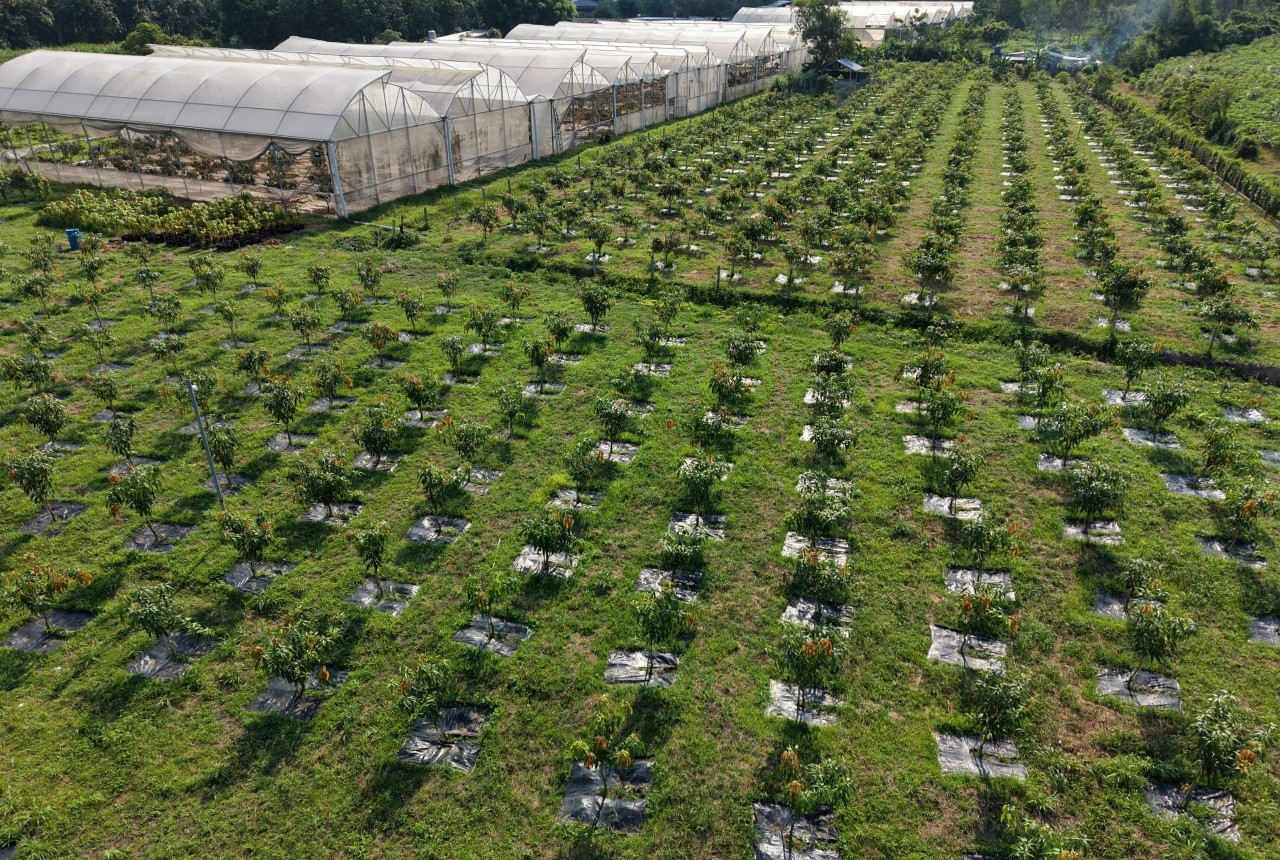
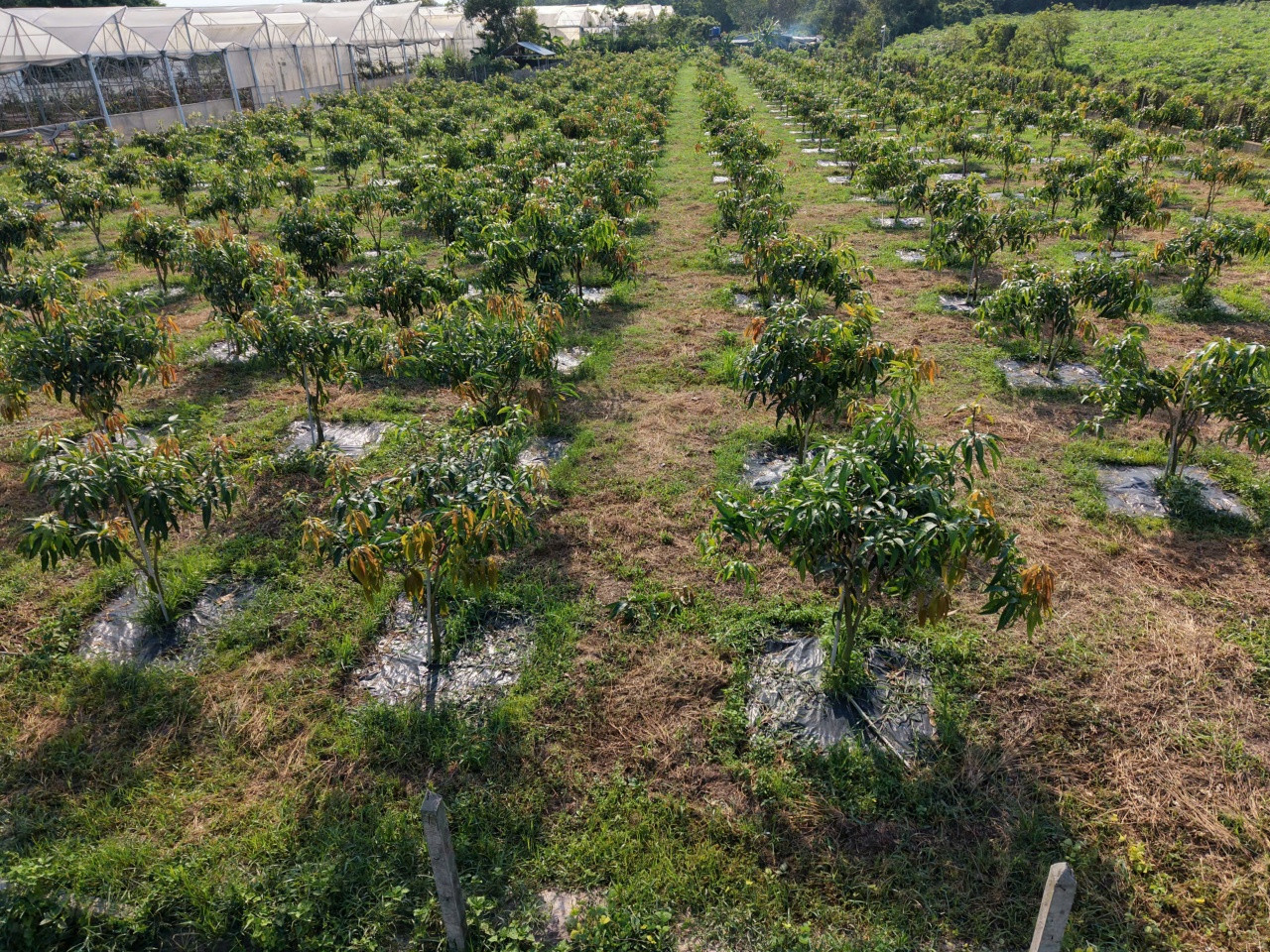
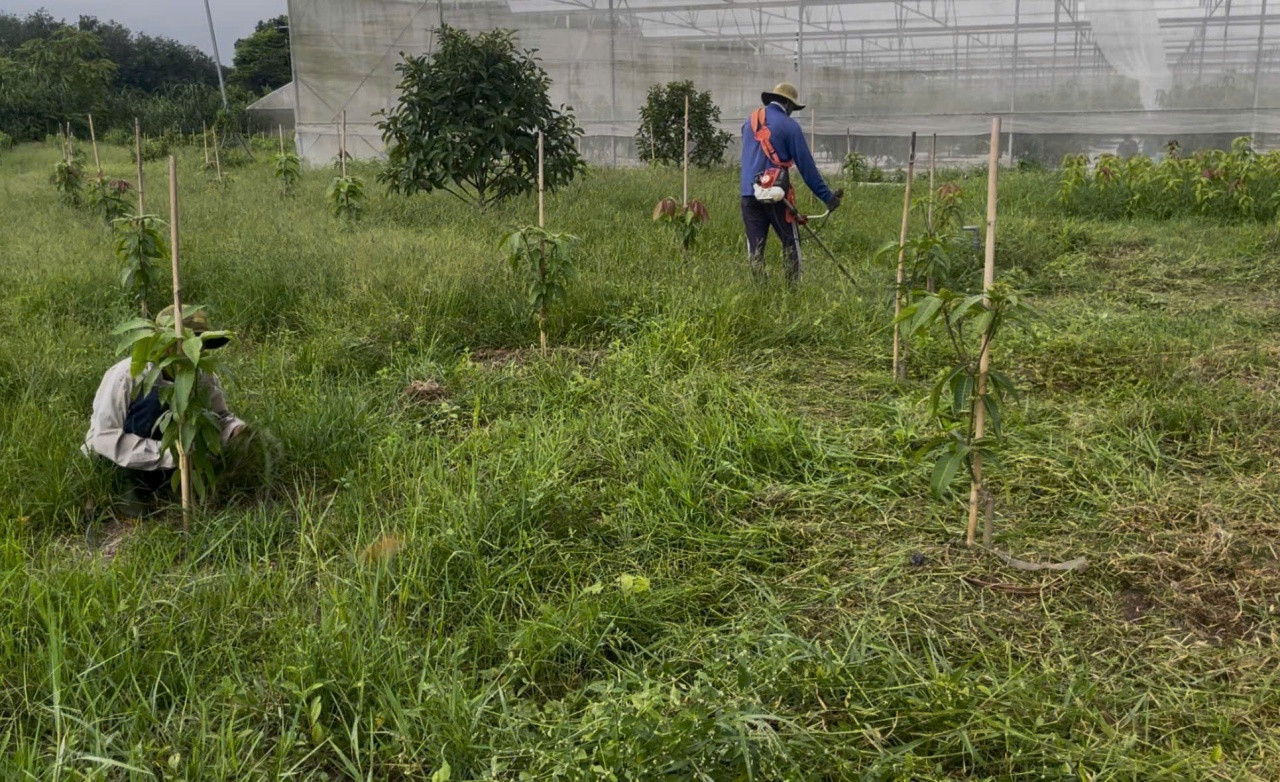
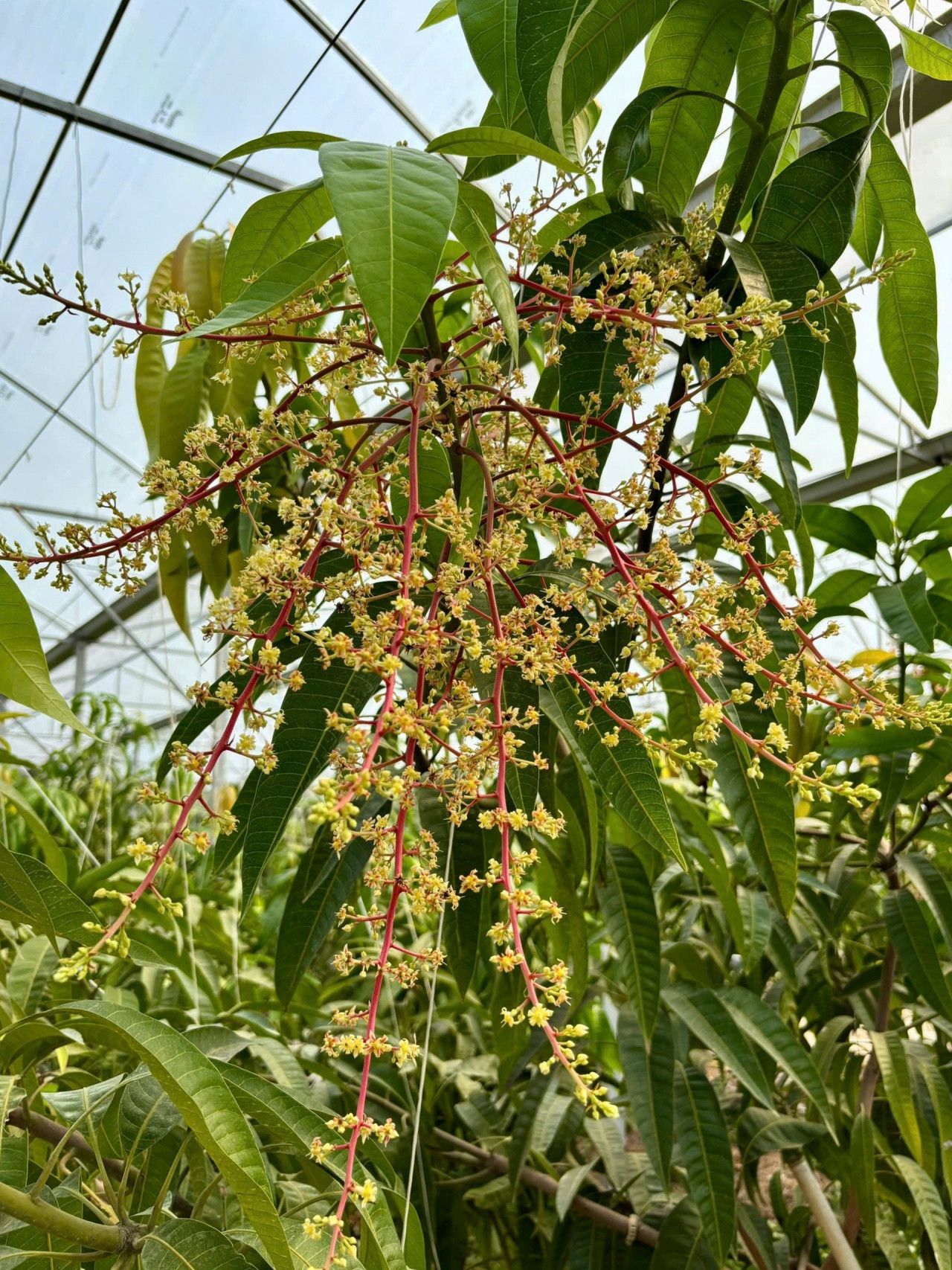
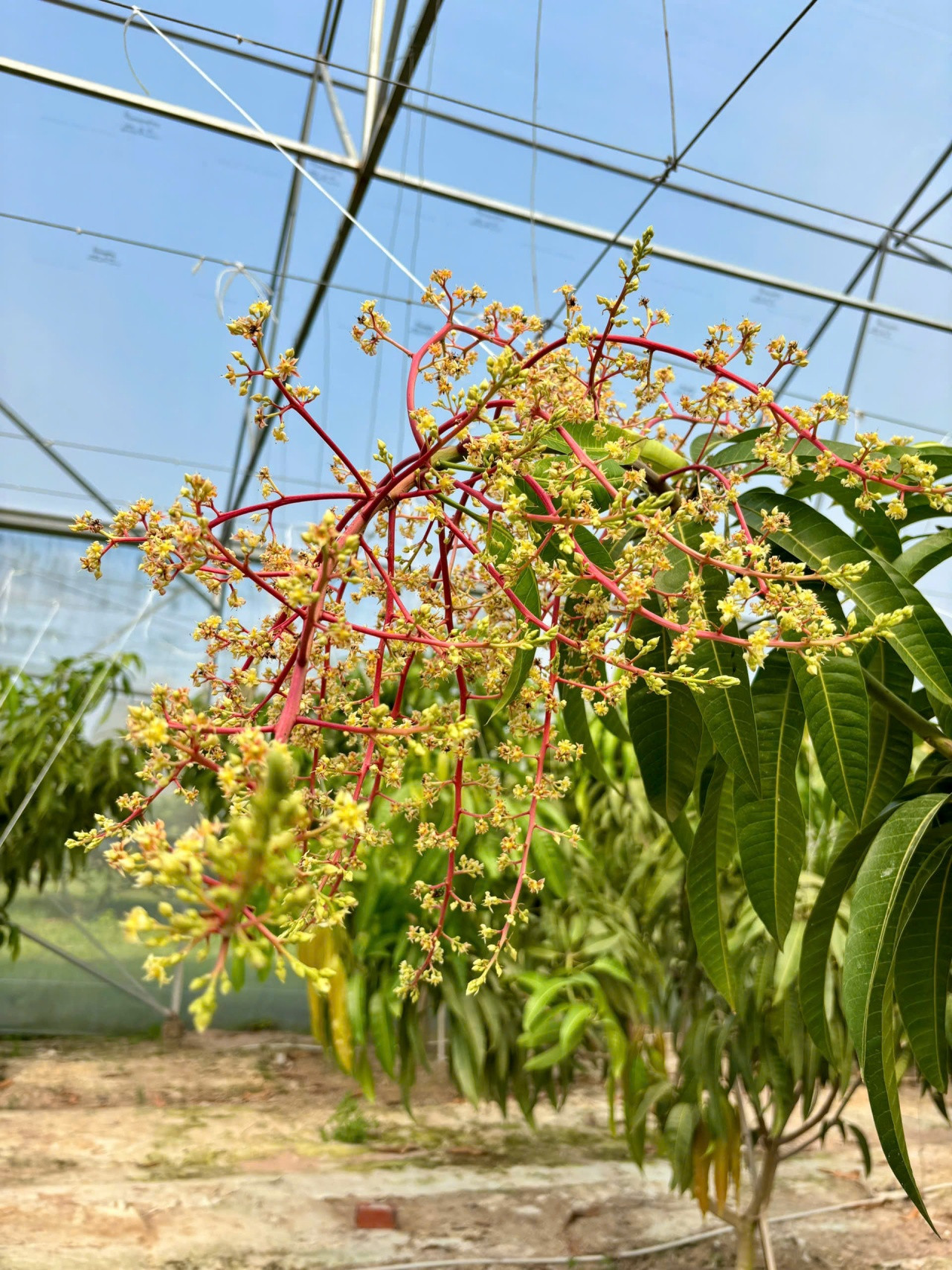
At a 20,000-square-meter farm in An Nhon Tay Commune, HCMC, workers carefully tend rows of mango trees grown under a modern cultivation system.
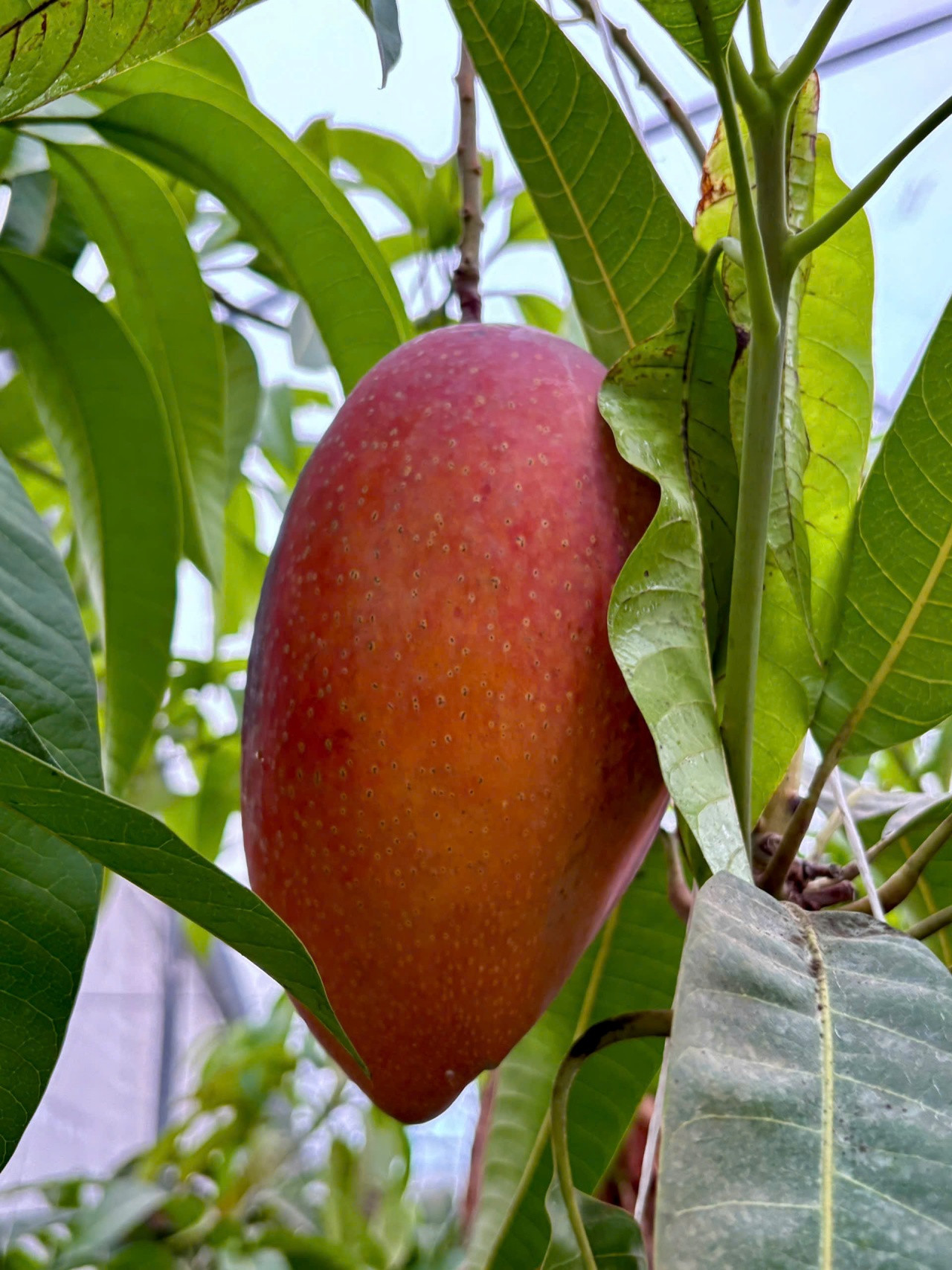
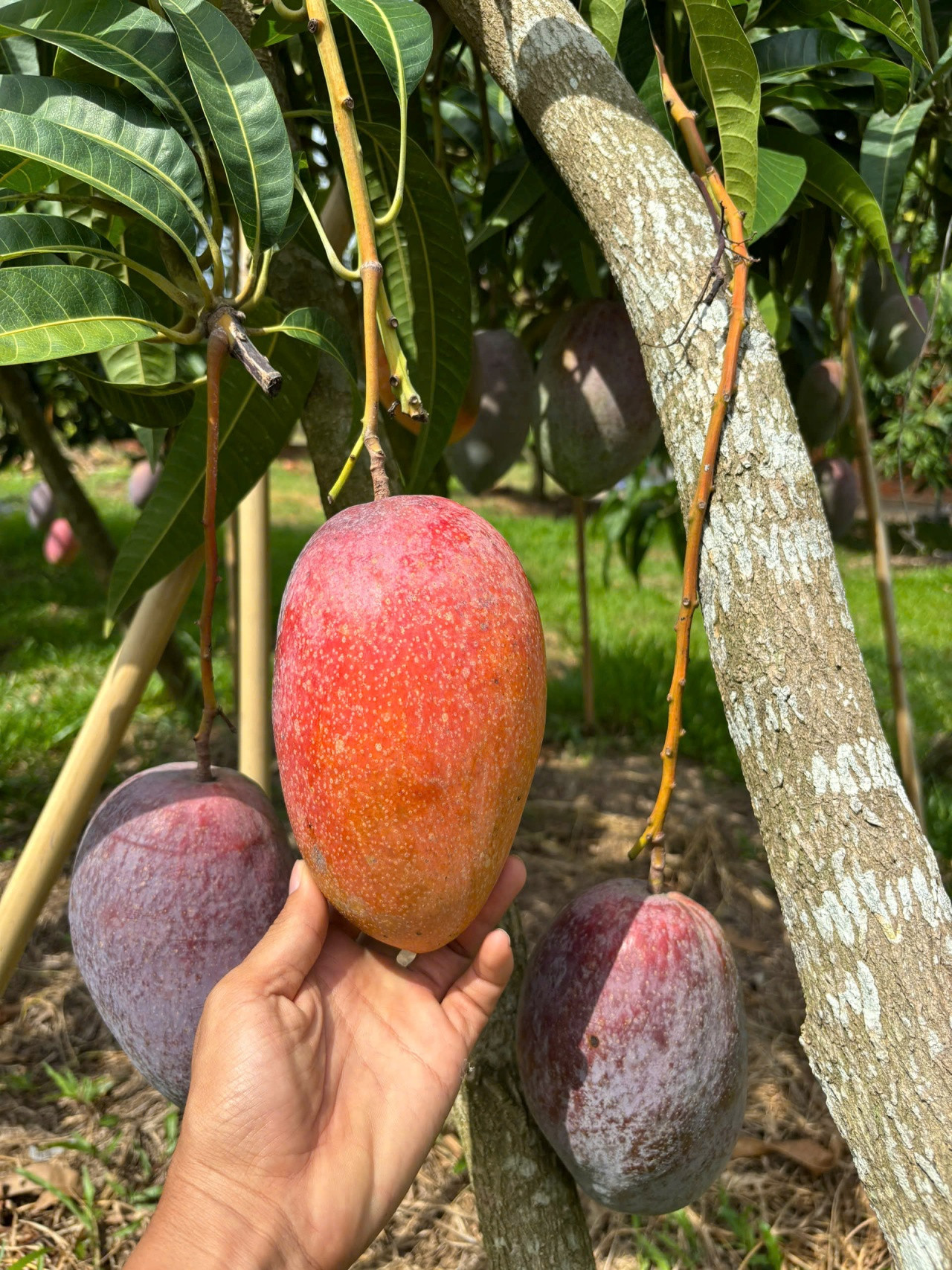
Local residents say these are Miyazaki red mangoes, regarded as among the world’s most expensive mangoes.
Nguyen Minh Nhan, 42, the farm owner, said Miyazaki red mango is the popular name associated with the renowned Japanese growing region, while the actual variety is Irwin.
The mango has red skin, soft flesh, little fiber, a distinctive aroma and a balanced sweet-and-sour flavor. Another reason for its high price is that each tree produces significantly less fruit than many commercial mango varieties.
“For premium production, growers must carefully select and remove fruit, keeping only the best specimens, so the number meeting quality standards is limited. In Japan, Irwin mangoes are commonly known as Miyazaki red mangoes, ruby mangoes or ‘Eggs of the Sun.’
“In Vietnam, Irwin mangoes imported from Japan are usually sold individually. Depending on their weight and grade, they can cost $38–114 each,” Nhan said.
In 2022, Nhan happened to be offered an Irwin mango grown in Miyazaki, Japan, by a friend. He was immediately impressed by its flavor and value.
At the time, he was searching for a high-value woody fruit crop that could make use of greenhouses previously used to grow melons. He decided to study the variety and import seedlings for trial cultivation.
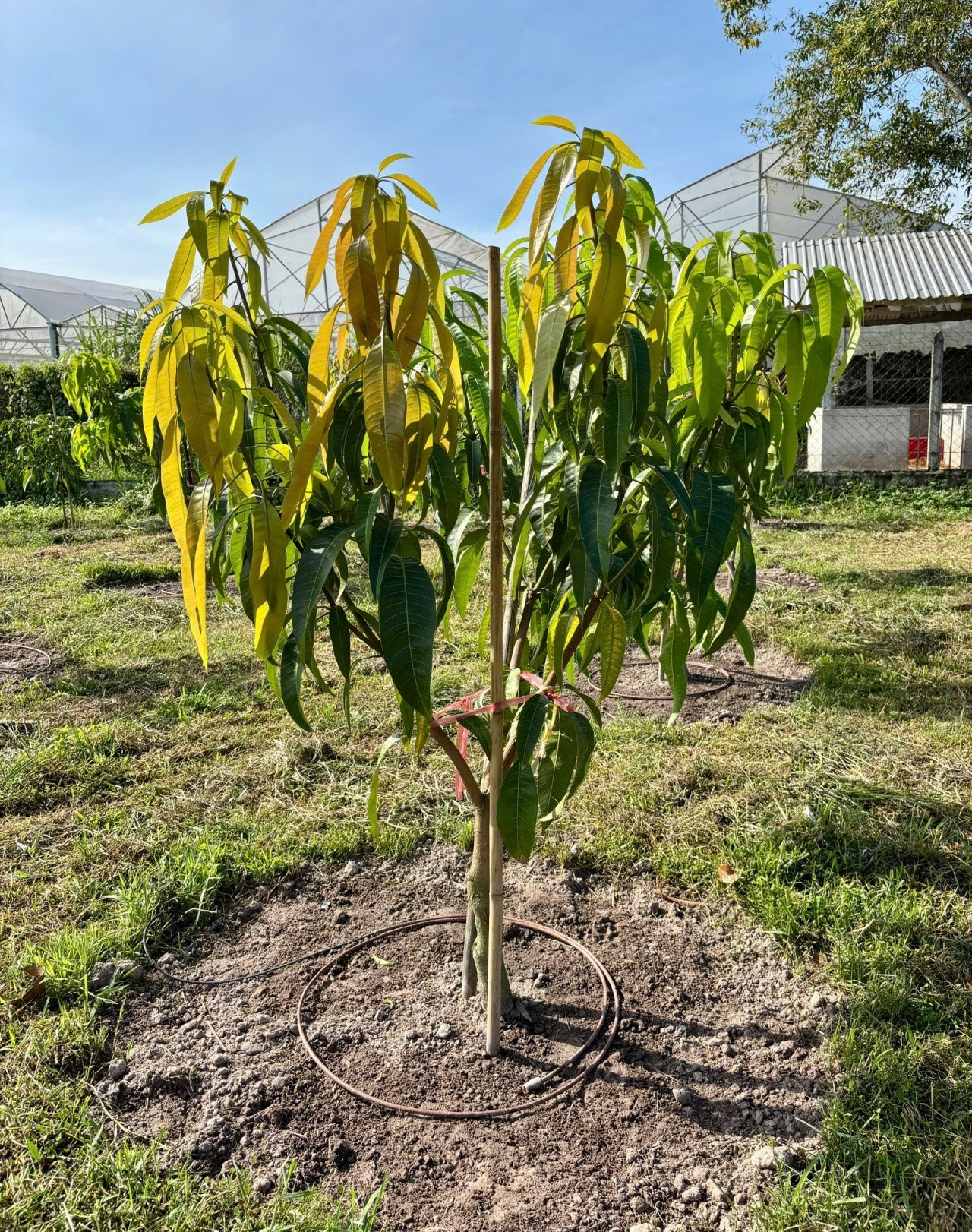
After planting successive batches over several stages, Nhan’s farm now has around 1,400 Irwin mango trees, both inside greenhouses and outdoors.
High-value crop
Nhan faced numerous challenges when he first began adapting the expensive mango variety to local conditions, including HCMC’s hot and humid climate, prolonged rainy season and high pest pressure.
He also faced considerable financial and psychological pressure because it was a pioneering model requiring substantial investment. To overcome the difficulties, he tested six different Irwin lines before selecting the two best suited to HCMC’s soil and climate.
To produce mangoes approaching Japan’s stringent quality standards, Nhan uses a fully enclosed greenhouse cultivation system with tight control over environmental conditions.
The farm uses drip irrigation combined with nutrient delivery and closely monitors and adjusts acidity and alkalinity levels, or pH, as well as electrical conductivity, or EC, which reflects the concentration of dissolved mineral salts in water or soil. Tree canopies, fruit selection and light exposure are also carefully managed.
“One of the most important steps is synchronising water, nutrients and fruit load from flowering through ripening. Once the trees bear fruit, we keep only five to seven mangoes on each tree to ensure quality,” Nhan said. “To achieve attractive skin, each mango is bagged and supported with netting. Sun exposure is also carefully regulated at each stage to prevent sunburn and ensure even coloration.”
In 2026, Nhan’s Irwin mango farm produced its first harvest of nearly 400 fruits. The mangoes had a distinctive aroma, intense sweetness with mild acidity, soft flesh and little fiber. Their color and shape, however, were not yet as uniform or visually appealing as premium Japanese products.
After harvesting, Nhan sold the mangoes mainly by the fruit. In the first crop, mangoes weighing around 450 grams sold for $11 each, while those weighing more than 650 grams fetched $23 each.
“As this was only a trial crop, output remained limited and revenue was insignificant compared with the total investment. The farm’s biggest achievement was proving that the trees can adapt to local conditions and that the product is accepted by the market,” Nhan said. “In the coming period, we plan to increase production, bring the trees into fruit at the right time of year and work out more reasonable prices so that more Vietnamese consumers can afford them.”
.svg)
