 Vietnamnet.vn

 Podcast



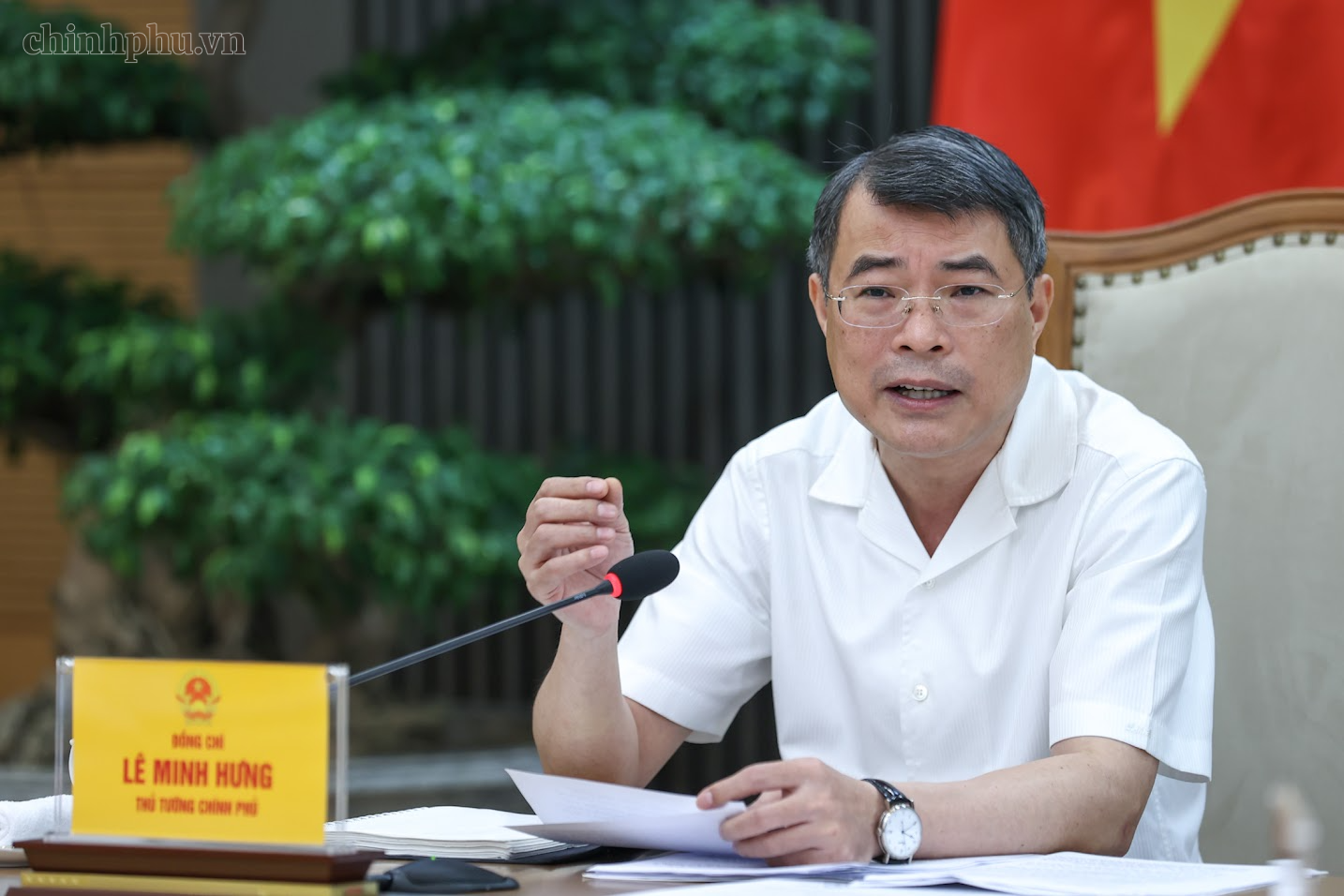
Prime Minister Le Minh Hung chaired a meeting on textbook supplies on Sept. 21, along with a review of the general education curriculum and textbooks and preparations for a thematic inspection of the implementation of Politburo Resolution No. 71 on breakthroughs in education and training.
Do not rely on a single publisher
Speaking about textbook supplies for the 2026-2027 school year, Hung said ensuring adequate supplies had been the subject of repeated and firm directives from the Politburo, the General Secretary and President, the Prime Minister and Deputy Prime Minister.
Yet as the new school year began, many students and schools in some localities still did not have enough textbooks.
More than 776,000 copies remain unavailable, representing around 0.31% of total demand. Hung described the shortage as an urgent issue attracting significant public concern.
Shortcomings in assessing demand, forecasting, ordering, publishing, maintaining reserves, coordinating and distributing textbooks resulted from both objective and subjective factors, according to reports from the Ministry of Education and Training and comments at the meeting.
Hung, however, said subjective factors were the main cause. In particular, he said the Education Ministry's direction and management of textbook supplies had not been sufficiently decisive, timely or effective, and its approach had not been fundamentally reformed to meet new circumstances.
The prime minister instructed the ministry and the education sector to examine the causes, seriously learn from the shortcomings and immediately introduce urgent corrective measures to ensure sufficient textbook supplies as soon as possible.
He also said shortages must not be allowed to recur in future school years.
As an immediate priority, Hung ordered the Minister of Education and Training to take direct responsibility before the government and prime minister for implementing stronger and more urgent measures to completely resolve the textbook shortage for the 2026-2027 school year by Sept. 25.
"If necessary, the minister should invite other publishers and printing facilities to participate so the urgent requirements can be met as quickly as possible, rather than relying solely on the Education Publishing House," Hung said. "In the coming years, printing and distribution must also be diversified rather than handled through a single channel. Other publishers are fully capable of participating."
The prime minister said students must under no circumstances continue attending school without textbooks, particularly in localities still facing significant shortages, including Lam Dong, Dong Nai, Ninh Binh, Phu Tho, Khanh Hoa, Can Tho and Dak Lak.
The Education Ministry was instructed to urgently guide local authorities and schools still experiencing shortages to introduce appropriate measures to support students and prevent disruption to teaching and learning.
Hung also ordered the education minister to conduct a serious review, establish the responsibility of organizations, agencies and individuals involved in the failure to provide sufficient textbooks, and impose strict measures in accordance with regulations.
The ministry must report the situation and the results of its review to the prime minister by Oct. 10.
Textbook copyrights should belong to the state
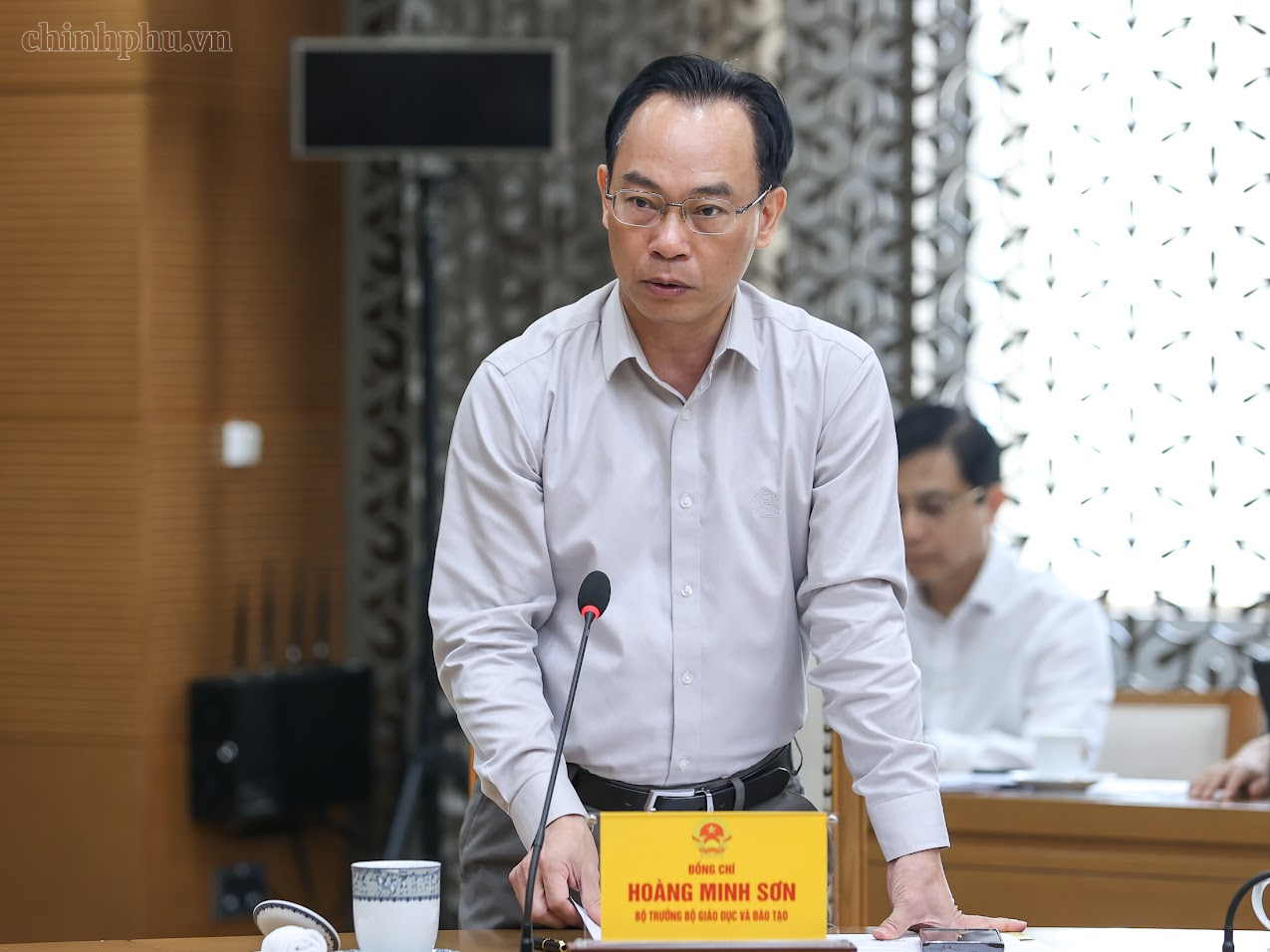
Turning to the general education curriculum and textbooks, Hung instructed the Education Ministry to work with relevant agencies to thoroughly review the content of the curriculum, particularly its authorship, and add historical figures, revolutionary predecessors and elements reflecting Vietnam's history, culture and national traditions.
He also called for the 2018 General Education Curriculum to be completed soon and for a single set of general education textbooks to be used nationwide.
Hung suggested that the curriculum and textbooks should avoid excessive specialized knowledge that places unnecessary pressure on teaching and learning at the general education level.
More advanced material, he said, could instead be reserved for supplementary reference materials for individual subjects, helping reduce pressure from examinations and admissions.
The education minister was asked to study possible adjustments to the 2018 General Education Curriculum with the aim of reducing the workload and reinforcing general education as a foundation.
The goal is to ensure that all students receive the knowledge, skills, qualities and competencies they need, while placing greater emphasis on ethics, character, patriotism, responsibility and a desire to contribute to society.
Hung also called for significant changes to the textbook system, beginning with copyright ownership, under the principle that textbook copyrights should belong to the state.
When the state owns the copyrights and textbooks are provided free of charge, he said, intermediary stages should be reduced to lower costs for the state budget.
Tran Thuong
.svg)
