 Vietnamnet.vn

 Podcast


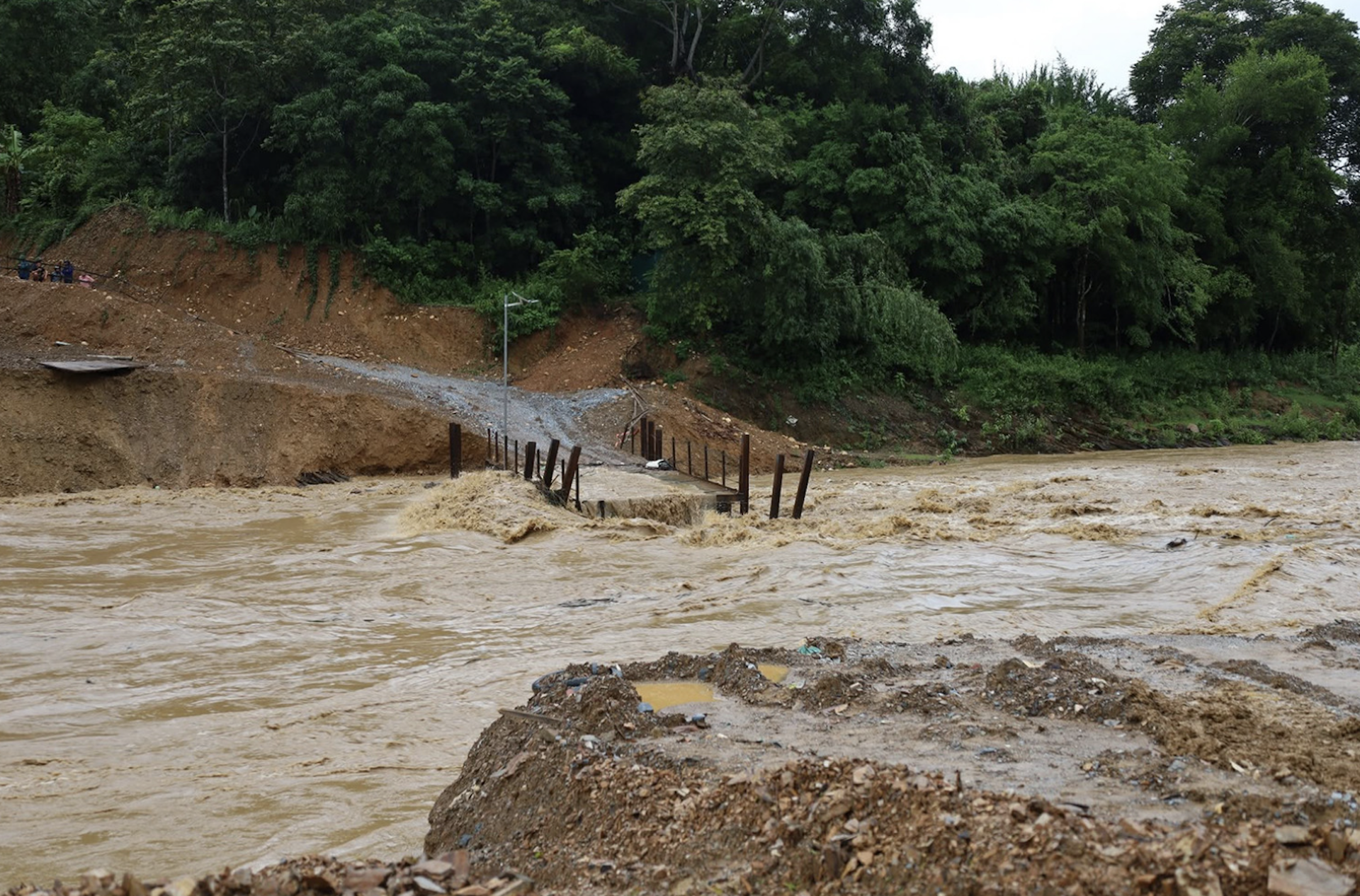
In an urgent directive issued on November 7, the Prime Minister instructed authorities across central Vietnam to take immediate precautions against widespread heavy rainfall, flooding, flash floods and landslides.
Official Dispatch No. 73/CD-TTg was sent to the authorities of Nghe An, Ha Tinh, Quang Tri, Hue, Da Nang, Quang Ngai, Gia Lai and Dak Lak, along with the National Civil Defence Steering Committee.
It was also addressed to the ministries of National Defence, Public Security, Agriculture and Environment, Construction, Industry and Trade, Education and Training, Health, and Science and Technology, as well as Vietnam Television, Voice of Vietnam and the Vietnam News Agency.
According to the National Centre for Hydro-Meteorological Forecasting, a widespread spell of heavy rainfall is expected across central Vietnam from November 8 to 11.
Southern Nghe An to northern Quang Tri is forecast to receive 100-200mm of rain, with isolated areas potentially exceeding 300mm.
Hue, Da Nang and eastern Quang Ngai are expected to experience particularly intense rainfall of 250-450mm, with some locations potentially receiving more than 700mm.
Meanwhile, southern Quang Tri, eastern Gia Lai and Dak Lak are forecast to receive 150-300mm, with isolated areas exceeding 400mm.
The heavy rainfall could trigger rising river levels, flooding in low-lying areas, urban centres and industrial zones, as well as landslides and flash floods along smaller rivers and streams.
Eight localities ordered to prepare evacuations and school closures
In response to the forecast, the Prime Minister directed the chairpersons of the People's Committees in all eight provinces and cities to personally oversee the immediate implementation of disaster preparedness and response measures.
Local authorities were instructed to remain vigilant and ensure they are not caught unprepared by heavy rain, flooding, flash floods or landslides.
They must review existing flood response plans and position personnel, vehicles, equipment and essential supplies in high-risk areas, particularly locations vulnerable to severe flooding, landslides or isolation.
Members of local Party leadership bodies are also to be assigned to maintain a presence in critical areas and oversee emergency preparedness.
Authorities must provide residents with timely and comprehensive information about weather developments, disaster risks and potential impacts.
They are required to review evacuation plans and promptly relocate people from dangerous areas to safer locations, especially communities threatened by deep flooding, landslides and flash floods.
Particular attention must be given to older people, children and other vulnerable groups.
Local governments must also deploy personnel to manage traffic, provide guidance and assist residents in maintaining road safety during severe weather.
People and vehicles must not be allowed to cross flooded causeways, deeply submerged roads or landslide-prone areas where safe passage cannot be guaranteed.
Depending on local conditions, authorities have been authorised to suspend classes to protect students during periods of heavy rain and flooding.
The Prime Minister also instructed local administrations to maintain emergency duty teams and implement flood prevention measures appropriate to the prevailing alert levels.
These include ensuring the safety of dykes, dams and reservoirs, promptly addressing disaster damage and providing food and essential supplies to communities affected by severe flooding, landslides or isolation.
Military and police mobilised for disaster response
The Ministry of National Defence has been tasked with directing provincial and municipal military commands to prepare for the evacuation and relocation of residents from dangerous areas.
The ministry must also instruct military regions, army corps and units stationed in affected areas to coordinate with other forces in supporting local disaster response operations.
Their responsibilities include emergency assistance, recovery efforts, search operations and rescue missions.
The Ministry of Public Security has been instructed to mobilise relevant units and local police forces to assist with evacuations, flood response, disaster recovery and search-and-rescue operations.
Police must also maintain security, public order and traffic safety on roads affected by severe flooding and landslides, while providing additional personnel and resources when requested by local authorities.
Reservoir operations must balance flood safety and water security
Regarding reservoir management, the Prime Minister assigned the Ministry of Agriculture and Environment to lead coordination with the Ministry of Industry and Trade.
The two ministries must direct relevant agencies and scientific institutions to develop appropriate reservoir regulation plans.
The operation of irrigation and hydropower reservoirs must follow sound scientific principles, ensuring dam safety and reducing flood risks for downstream communities.
At the same time, authorities must manage water resources efficiently in anticipation of possible shortages during the coming dry season, as forecasts indicate potential impacts from El Nino.
Kieu Oanh

