 Vietnamnet.vn

 Podcast



"Intellectual property" and "innovation" may sound like distant concepts, but in reality, they begin right in the classroom, often with a student's simple idea.
That message was emphasized by Nguyen Hoang Giang, Deputy Director General of the Intellectual Property Office of Vietnam under the Ministry of Science and Technology, during the Intellectual Property Day 2026 event.
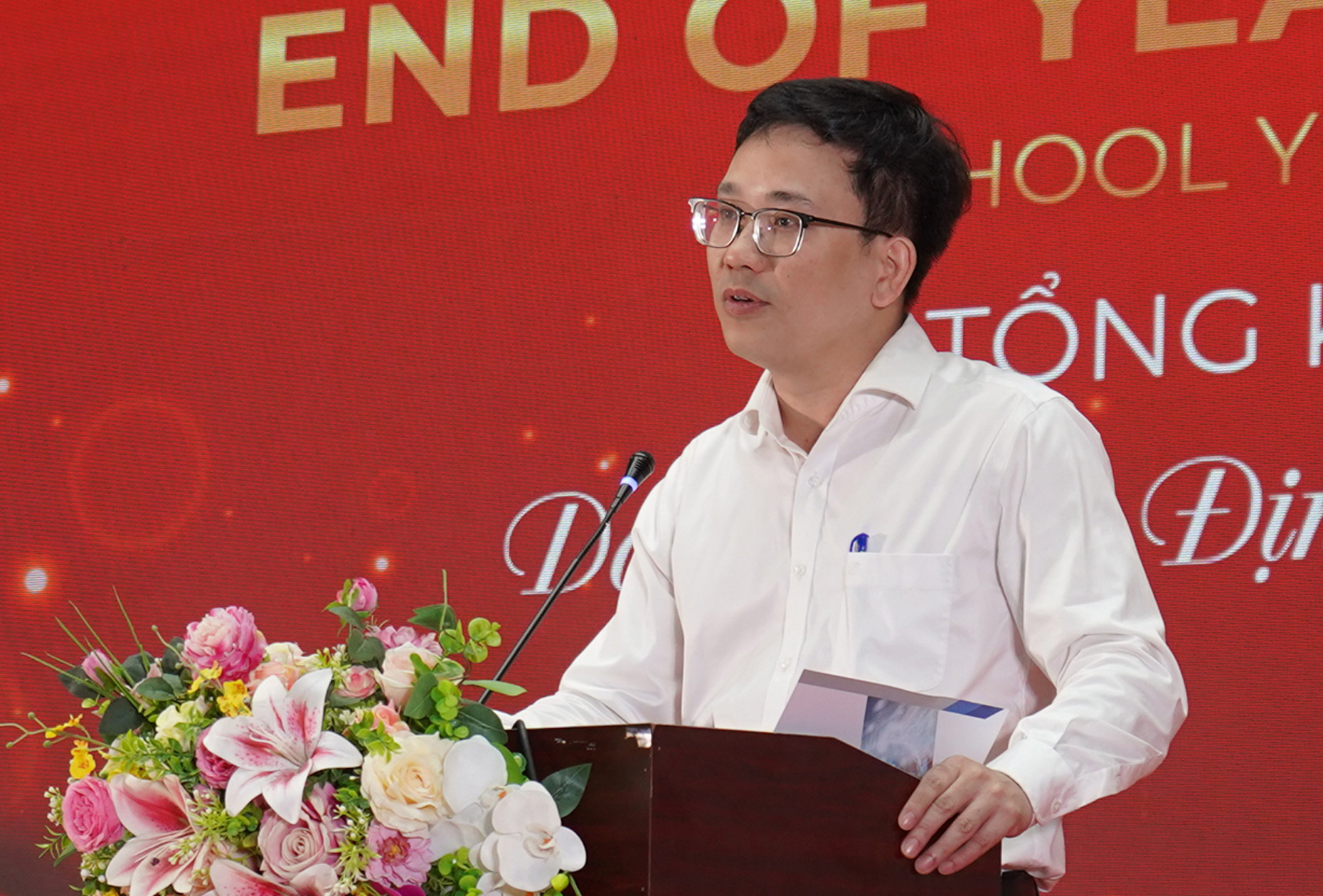
Speaking at the event, Giang stressed that intellectual property (IP) and innovation are not abstract concepts reserved for experts or businesses. Instead, they can grow from small ideas developed by students in school. With proper guidance, children can begin cultivating the mindset of future inventors as early as primary education.
The Intellectual Property Office also reaffirmed its commitment to working closely with schools and educational institutions to promote scientific thinking and awareness of intellectual property rights, helping build a new generation of creative citizens capable of meeting the country's future development needs.
Bringing intellectual property closer to students
Intellectual Property Day 2026, held as part of the broader IP Day initiative, marked a significant step forward in introducing intellectual property concepts to school students through practical and interactive experiences.
With the theme "Intellectual Property and Sports: Ready - Set - Innovate," IP Day 2026 aligned closely with the message of World IP Day 2026 announced by the World Intellectual Property Organization (WIPO).
Students participated in a variety of activities, including the "IP Day Challenge," where concepts such as copyright, patents and trademarks were presented through familiar sports-related scenarios. Under the guidance of experts from the Intellectual Property Office, complex legal topics were translated into engaging and accessible lessons.
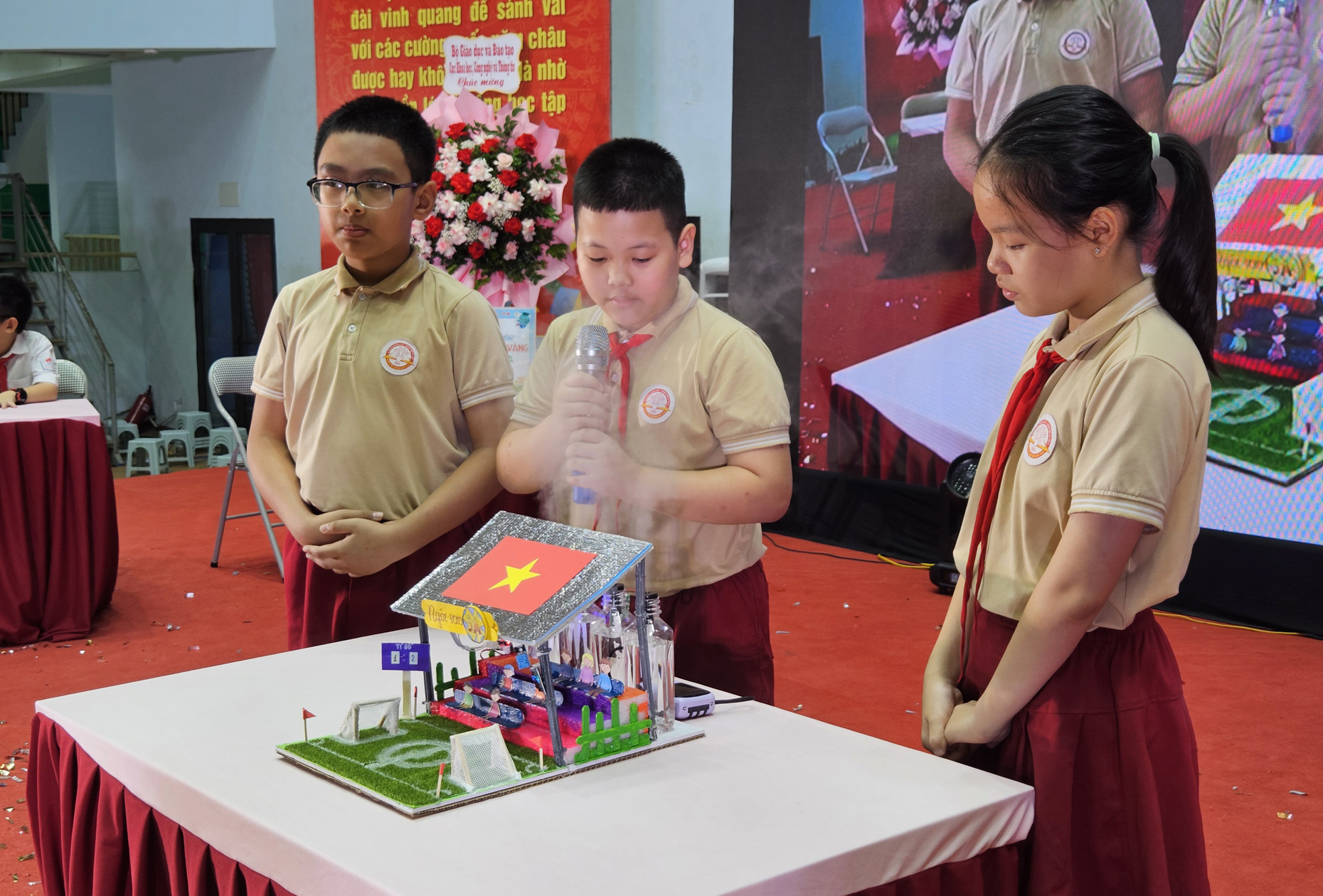
One of the highlights of the event was the "Young Innovators Arena." Students followed a complete innovation process, from generating ideas and building STEM models to presenting and defending their projects before a panel of mentors.
Awards including Young Inventor 2026, Inspirational Solution and Outstanding Innovation recognized not only the quality of the projects but also reinforced the message that every creative idea is a valuable asset deserving protection and recognition.
Building a culture of innovation through education
As international integration deepens, intellectual property is increasingly viewed as a key indicator of a country's innovation capacity. Against this backdrop, introducing intellectual property education into schools is considered a foundational step toward building a culture that respects knowledge and encourages creativity from an early age.
According to WIPO, effective intellectual property protection is a crucial factor in strengthening a nation's innovation capabilities. For Vietnam, new-generation free trade agreements are creating increasingly demanding requirements for intellectual property protection.
Experience has shown that sustainable solutions cannot rely solely on regulation or enforcement. More importantly, a culture of innovation must be built, one in which respect for ideas and intellectual assets is nurtured while students are still in school.
With that objective in mind, the Intellectual Property Office and Smartschool have jointly launched an intellectual property education model for general education institutions. The initiative is designed to help develop a generation of citizens equipped with creative thinking and the skills needed to compete in the knowledge economy.
The integration of intellectual property education into schools also reflects the objectives of Resolution No. 57-NQ/TW on science, technology, innovation and national digital transformation, as well as Resolution No. 71-NQ/TW on educational reform.
Through interdisciplinary teaching methods that combine STEM, arts, foreign languages, artificial intelligence and digital technologies, the program aims to strengthen students' research capabilities, problem-solving skills and teamwork.
Beyond learning about copyrights, patents and trademarks, students are encouraged to appreciate the value of knowledge and understand the importance of protecting creative achievements. Educators see this as a critical foundation for developing a highly skilled workforce in the future.
Thai Khang
.svg)
