 Vietnamnet.vn

 Podcast


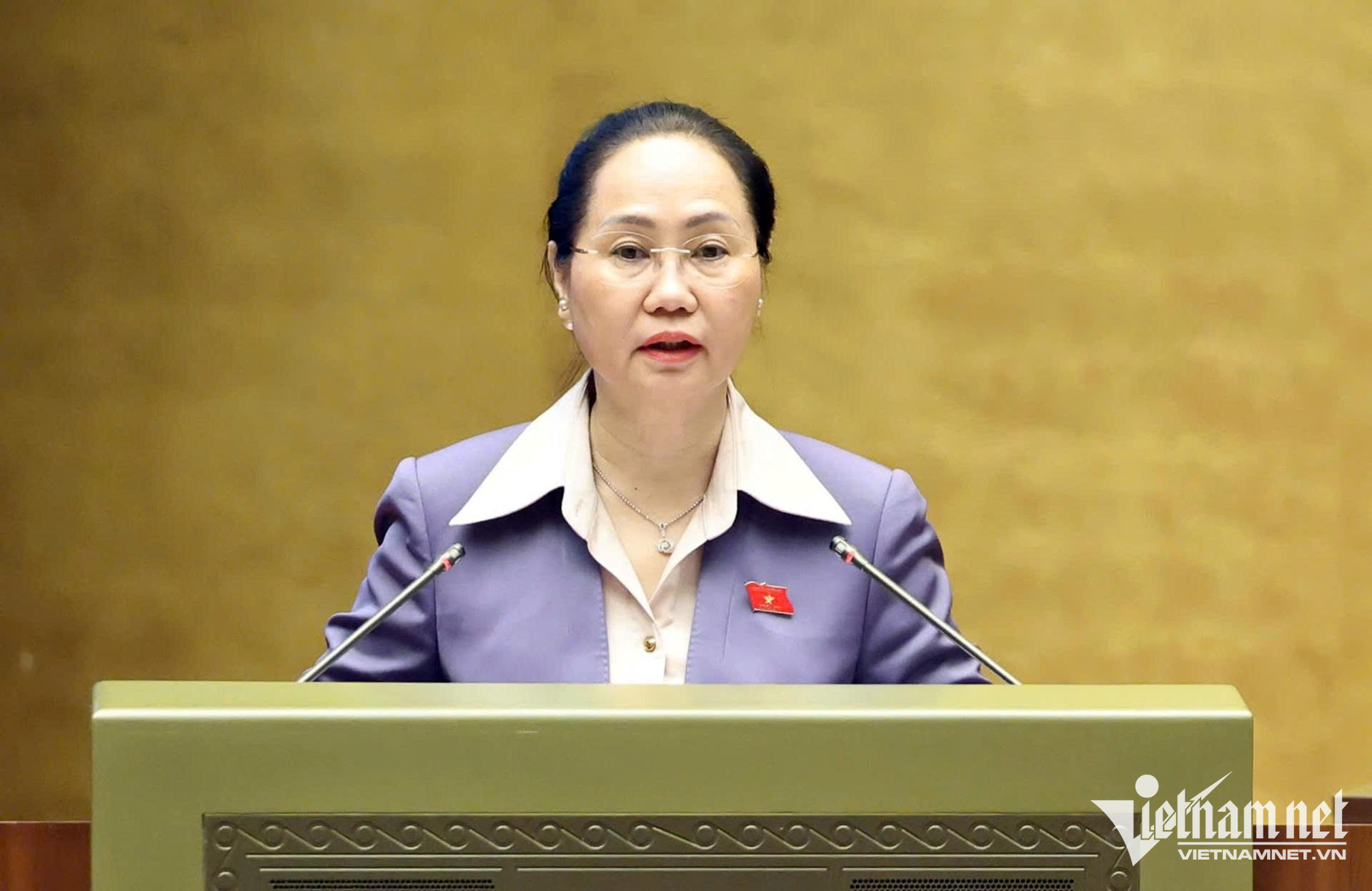
The proposal was presented to the National Assembly on Saturday morning by Minister of Culture, Sports and Tourism Lam Thi Phuong Thanh as part of the draft Law on Cultural Industry Development.
Thanh said the draft law comprises eight chapters and 39 articles, focusing on six major policy areas.
The first introduces, for the first time, provisions recognizing creative software and digital platforms that support intellectual property rights in cultural industries as infrastructure for creative activities. These tools would also help record the creative process, providing evidence for intellectual property protection and commercial exploitation.
The draft also seeks to establish a clearer legal framework for the use of intellectual property rights across cultural industries.
The second policy area focuses on attracting and developing talent in cultural industries. The government proposes a sector-specific competency framework based on job positions and levels of professional capability.
The draft would also recognize holders of state-conferred titles, including Meritorious Artist, People's Artist, Meritorious Artisan and People's Artisan, as meeting certain educational qualification requirements.
It further proposes preferential professional allowances for teachers and education administrators, along with negotiated remuneration arrangements for visiting lecturers.
Students pursuing designated priority disciplines and occupations could benefit from scholarships, tuition exemptions, living expense support and preferential credit policies.
The third policy area introduces new provisions for cultural creative complexes and cultural creative industrial clusters, establishing concentrated infrastructure models to support the development of cultural industries.
The fourth covers activities to strengthen the cultural industry ecosystem, including a regulatory sandbox mechanism for developing cultural products that carry commercial value while reflecting Vietnam's cultural identity.
The fifth proposes establishing a cultural industry exchange to serve as an intermediary connecting creators, intellectual property rights holders, cultural products, investors and consumers.
The sixth addresses financing, investment incentives and other support measures for cultural industries. These provisions aim to close gaps in existing legislation, mobilize private and social resources, build a stronger cultural industry ecosystem and improve the international competitiveness of Vietnam's cultural sector.
As part of efforts to expand the market and stimulate consumption of cultural industry products, the government proposes issuing national culture cards to students, people who have rendered meritorious service to the revolution, members of poor and near-poor households, people with disabilities and other eligible beneficiaries under the law.
The government would determine how the cards are issued, managed and used, as well as the methods for calculating and distributing financial support.
It would also regulate payment and settlement procedures, the recovery of support funds, the responsibilities of relevant agencies and individuals, and arrangements for data connectivity, sharing and protection in the administration of the cards.
Lawmakers urge caution over education allowances and artist qualifications
Presenting the appraisal report, Nguyen Dac Vinh, Chairman of the National Assembly's Committee for Culture and Social Affairs, said the committee broadly supported the draft law.
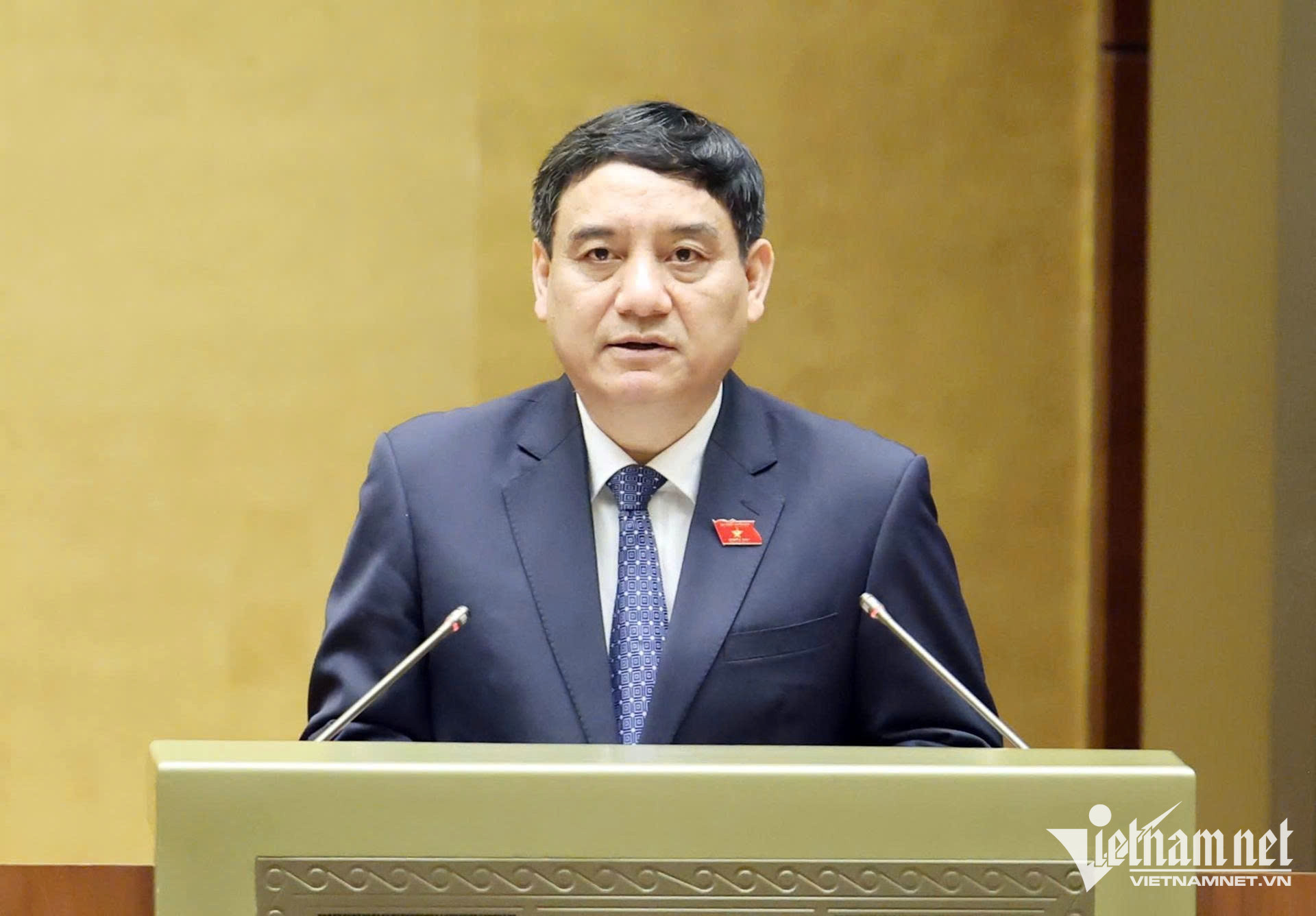
However, it called for further review and refinement of policies prioritizing investment in cultural industries where Vietnam has competitive strengths.
Such policies should be focused and targeted, with creators and businesses placed at the center of the country's cultural industry development strategy, the committee said.
Regarding human resources, the committee generally agreed with the proposed direction but questioned a provision treating state-conferred artistic and artisan titles as equivalent to formal educational qualifications.
It argued that titles such as People's Artist, Meritorious Artist, People's Artisan and Meritorious Artisan are honorary distinctions awarded by the state and should not be equated with academic qualifications recognized under education law.
On the proposed category of jointly appointed faculty members, the committee recommended limiting eligibility to holders of these artistic and artisan titles, specialists with advanced training, or individuals with outstanding professional achievements.
It also called for oversight mechanisms to prevent abuse of the arrangement.
The committee urged lawmakers to carefully consider extending preferential professional allowances to education administrators, warning that such provisions could conflict with the existing Law on Teachers.
It further recommended clarifying policies to attract highly qualified professionals and exceptional talent, while authorizing the government to establish eligibility criteria and determine the competent authorities responsible for their assessment.
Tran Thuong

