 Vietnamnet.vn

 Podcast


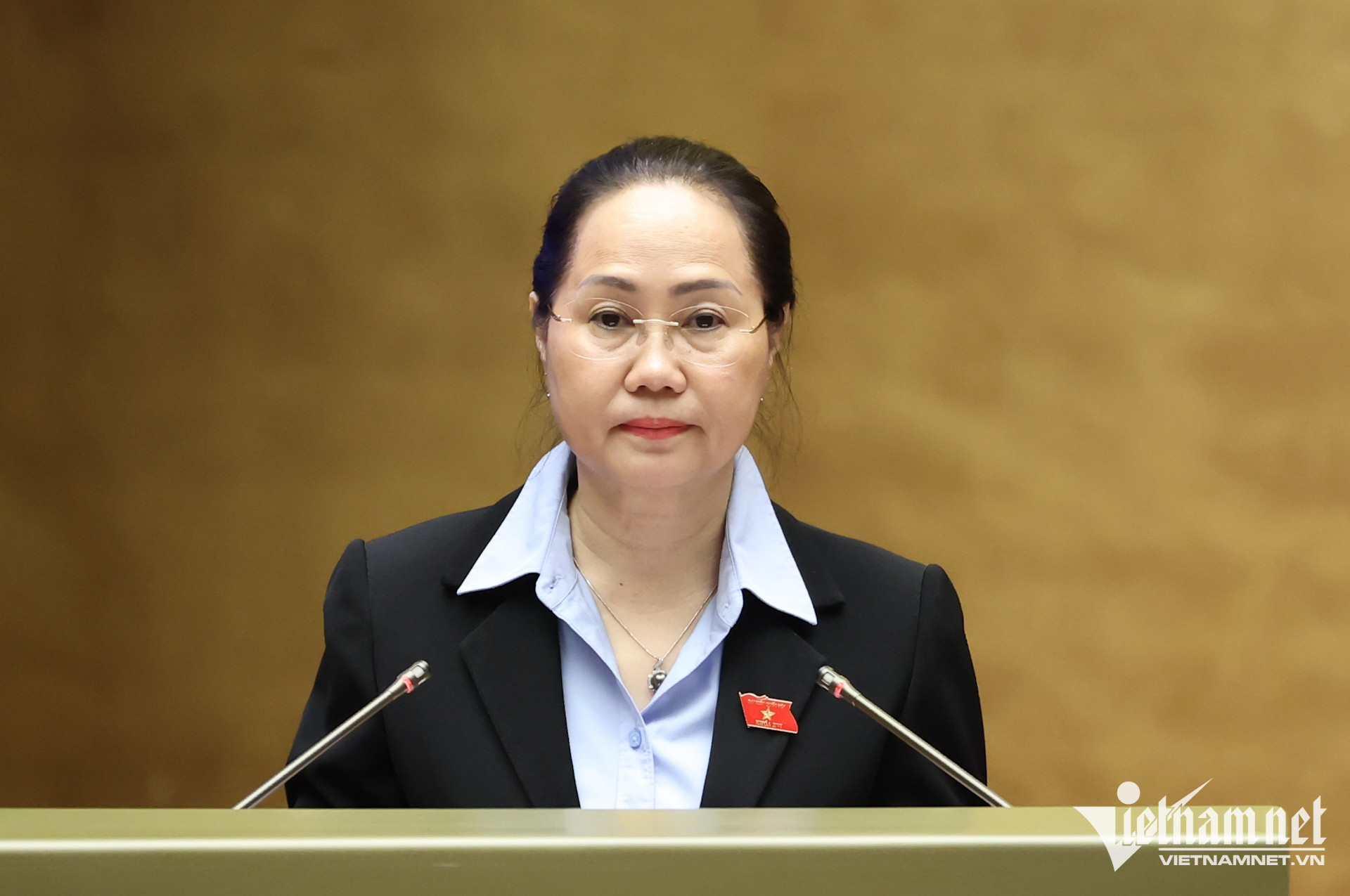
On November 7, Minister of Culture, Sports and Tourism Lam Thi Phuong Thanh, acting on behalf of the Prime Minister, presented a draft National Assembly resolution introducing special mechanisms and policies to develop Vietnam's tourism sector.
The minister said the draft resolution translates the objectives of Politburo Resolution No. 08, which identifies tourism as a key economic sector, into concrete policies.
It focuses on measures within the National Assembly's authority to address longstanding obstacles to tourism development.
The proposed resolution aims to introduce breakthrough mechanisms that mobilize and utilize resources more effectively, accelerate tourism growth and strengthen the sector's position as a major economic driver.
It also seeks to develop a high-quality, smart, green and innovative tourism industry that reflects Vietnam's cultural identity, generates greater added value and competes more effectively in regional and international markets.
The draft is designed to avoid duplicating mechanisms and policies already established under existing legislation.
Minister Lam Thi Phuong Thanh outlined seven major policy groups included in the proposal.
Regarding investment incentives and support for tourism projects, the draft identifies priority development areas in line with Resolution No. 08.
Tourism projects would be classified into three categories with progressively higher eligibility requirements: high-quality tourism projects, key tourism development projects and strategic key tourism development projects.
The minister clarified that none of these categories would include facilities engaged in casino operations, prize-winning electronic gaming, betting or real estate businesses.
Tax and infrastructure incentives would be comparable to those already provided under relevant legislation to other eligible investment sectors.
Vietnam considers expanded visa exemptions for key tourism markets
Regarding support for tourism businesses and community partnerships, the minister said the draft proposes a pilot reduction in land rental fees for areas used as landscaped grounds, green spaces, water features and shared facilities at four- and five-star hotels and resorts.
The incentives would apply to areas not directly used for commercial activities.
The proposal also includes mechanisms to support businesses opening new air routes serving tourism and to encourage cooperation among travel companies, accommodation providers and enterprises with long-term purchasing agreements for products under Vietnam's One Commune One Product (OCOP) program.
Another policy group focuses on incentives for emerging tourism business models.
These include community-based tourism, digital platform businesses, retirement complexes, entertainment tourism, cultural and sports tourism combined with healthcare, and models incorporating science, technology, innovation, digital transformation and green development.
The draft also proposes controlled pilot programs for selected tourism business models.
Large-scale performing arts complexes, concert venues, festival streets and integrated entertainment destinations could benefit from simplified procedures allowing approval through a single licensing process.
On tourism workforce development, the minister said the state budget would support training and professional development for highly skilled personnel.
Priority areas include innovation, digital transformation, digital content creation, foreign languages, professional skills, tourism management and local workforce development in community-based tourism destinations.
A major component of the draft concerns special visa arrangements intended to facilitate entry, exit and residence for international visitors.
According to Lam Thi Phuong Thanh, the government proposes expanding bilateral visa exemptions for travelers from priority tourism markets.
More flexible visa policies would also be tailored to individual markets, with priority given to high-spending visitors, long-stay tourists, repeat travelers and participants attending conferences and seminars.
The draft additionally provides for controlled pilot arrangements for foreign nationals working remotely from Vietnam.
Foreign visitors traveling to Vietnam for medical examinations, treatment, rehabilitation, leisure or extended healthcare stays, along with accompanying persons, could be considered for pilot visa and residence policies suited to their purposes and intended length of stay, in accordance with Vietnamese law.
The government also proposes simplifying work permits, visa procedures and temporary residence arrangements for foreign experts and artists working on tourism projects.
The seventh policy group covers state budget support for tourism development.
Lawmakers seek clarification on proposed special visa policies
Presenting the appraisal report on the draft resolution, Nguyen Dac Vinh, Chairman of the National Assembly's Committee for Culture and Social Affairs, said the committee supported the need to adopt the resolution through expedited procedures.
The committee considered this necessary to promptly institutionalize and implement Politburo Resolution No. 26, which aims to develop Vietnam's tourism industry into a key economic sector in the new era.
However, the reviewing body raised concerns about certain proposed investment incentives.
It noted that the draft offers particularly generous incentives and support for strategic key tourism development projects without sufficiently assessing their expected effectiveness.
The committee therefore recommended careful consideration of these provisions.
Regarding special visa policies, the committee proposed that the resolution should not prescribe specific visa arrangements for groups such as foreign experts, technical workers, artists and performers.
Instead, it recommended allowing the government to consider and determine appropriate policies for these groups alongside other eligible categories, taking into account practical conditions and requirements relating to national security, public order and social safety.
The committee also called for a clearer explanation of what makes the proposed special visa policies new or distinctive, as well as their precise scope and substance.
Tran Thuong

