 Vietnamnet.vn

 Podcast



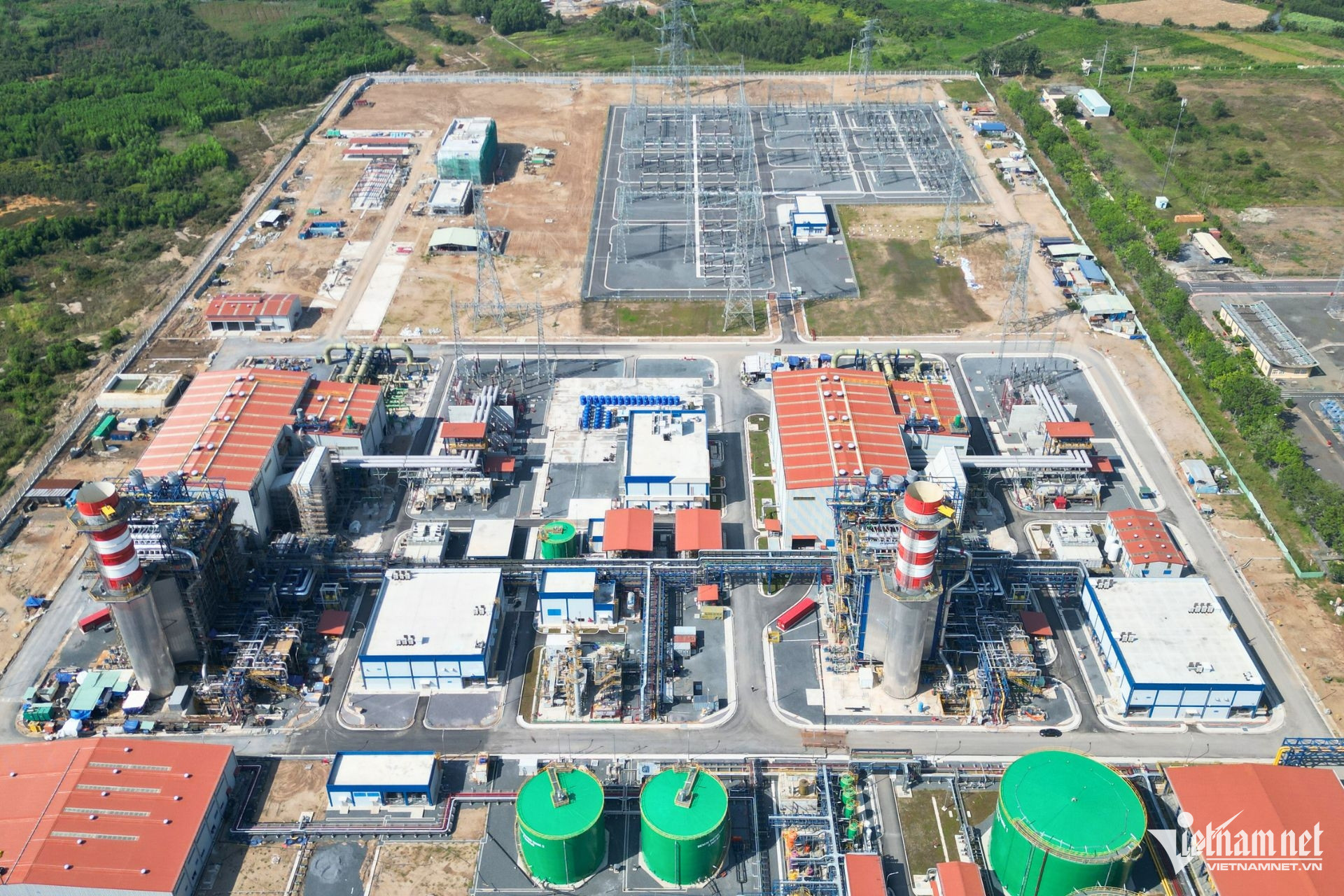
Most LNG power projects remain in pre-investment stage
In a recent report on measures to secure electricity supplies for 2026-2030 and revisions to the country’s Power Development Plan VIII, the Ministry of Industry and Trade said Vietnam’s electricity generation is estimated at 354.4 billion kWh in 2026, up nearly 9.7% from 2025.
Peak demand across the national power system is expected to reach 57,537 MW, 6.4% above the record set in 2025.
The ministry said the national grid should be able to meet electricity demand in 2026.
Updated calculations of annual electricity consumption and peak demand, however, point to significant potential shortages in subsequent years, particularly in northern Vietnam.
In 2027, the country is projected to face a capacity shortfall of around 4,256 MW and an electricity deficit of 2.9 billion kWh.
By 2030, the gap could widen to nearly 14,000 MW and more than 61 billion kWh. Northern Vietnam alone could be short of around 13,000 MW of capacity and nearly 45 billion kWh of electricity.
The projections underscore the urgency of bringing additional generation capacity online and accelerating delayed power projects.
The Ministry of Industry and Trade said investment in power generation and transmission projects has so far fallen short of levels required under the national power plan, increasing the risk of supply shortages in the coming years, particularly between 2027 and 2030.
LNG-to-power projects have been particularly slow.
The ministry cited difficulties in arranging financing and securing turbines, as well as challenges in negotiating power purchase agreements and the high and volatile price of imported liquefied natural gas.
At a recent meeting reviewing major national energy projects under the revised Power Development Plan VIII, Deputy Minister of Industry and Trade Truong Thanh Hoai said several projects had made progress compared with the end of 2025, particularly the Block B gas-to-power chain and hydropower developments.
Some LNG power projects have selected investors and are completing procedures involving land clearance, financing arrangements and commercial contract negotiations.
Overall progress, however, remains below requirements.
The ministry warned that without stronger measures, many projects could miss their scheduled commercial operation dates under the revised power plan, potentially affecting Vietnam’s energy security between 2028 and 2030.
Most LNG power projects are still in the investment preparation stage and have yet to begin construction, while negotiations over power purchase agreements remain difficult, Hoai said.
Phung Ngoc Lan, Country Director of GE Vernova Gas Power Vietnam, told VietNamNet that the revised Power Development Plan VIII calls for around 22.4 GW of additional LNG-fired capacity between now and 2030, highlighting the role of gas in Vietnam’s energy transition.
LNG power projects, however, involve large and complex infrastructure, with project development, financing, fuel infrastructure, equipment procurement and grid connections all needing to move forward in parallel.
Project schedules can therefore be affected by multiple interconnected factors rather than any single bottleneck, Lan said.
Vietnam needs to stay ahead of demand
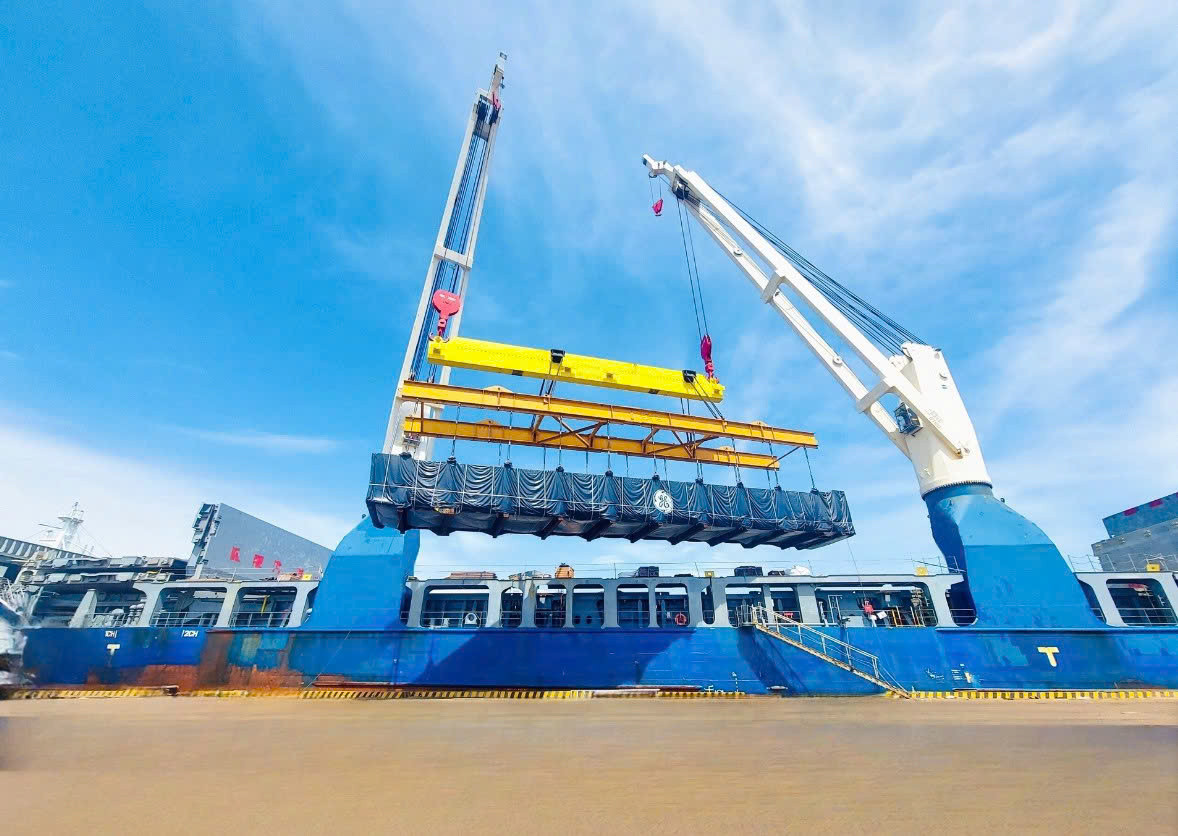
According to Lan, LNG-to-power developments depend on a closely connected ecosystem encompassing policy and commercial frameworks, financing, fuel and grid infrastructure, technology and project execution capabilities.
Overall progress depends on whether these elements can develop in step with one another.
Another increasingly important factor is the global market for power generation equipment.
As demand for new generating capacity rises across multiple markets, original equipment manufacturers’ production capacity, equipment delivery times and costs are becoming increasingly important considerations.
This reinforces the need for timely investment and procurement decisions if projects are to remain on schedule.
Financing is another critical part of the equation, particularly given the enormous investment required for Vietnam’s power-sector transition.
Research by GE Vernova suggests that diversifying financing sources - including export credit agencies, commercial banks backed by export credit agencies and bankable project structures - could broaden access to capital and optimize financing costs.
Successful implementation ultimately requires the entire ecosystem to develop together.
Alongside financing and infrastructure, Vietnam will need the technical capabilities and leadership required to build and operate an increasingly complex power system at scale.
GE Vernova estimates that Vietnam’s power-sector workforce could grow by 67%, from around 300,000 to 500,000 full-time equivalent workers by 2035. That projection underscores the need for investment in human capabilities to keep pace with spending on physical infrastructure.
Vietnam has already made progress in LNG import infrastructure.
The Thi Vai and Cai Mep LNG terminals are now operational in southern Vietnam, serving regional demand including the Nhon Trach 3 and 4 power plants and the Phu My Power Center.
At the same time, LNG-to-power projects are planned along Vietnam’s coastline, many of which will require LNG terminals and supporting infrastructure. Developing them will require substantial investment and coordination in the years ahead.
From a system-wide perspective, fuel infrastructure, power generation and grid connections need to be developed in parallel.
“Our research indicates that strengthening the backbone of the transmission system, together with smart-grid capabilities and forecasting, will be critical to connecting new generation capacity with major demand centers,” Lan said.
Energy security, he added, should be viewed as a system-wide challenge rather than simply a question of adding generation capacity.
Flexible power generation, energy storage and stronger transmission infrastructure will be essential for managing a power system that is becoming larger and more diverse, according to the research.
“We need to prioritize staying ahead of demand rather than reacting to bottlenecks after they emerge,” Lan said. “Timely and coordinated investment in power generation, the grid and solutions that improve system flexibility will be critical to ensuring Vietnam’s energy system continues to support economic growth while advancing its longer-term decarbonization goals.”
Tam An
.svg)
