 Vietnamnet.vn

 Podcast



More than 2 million civil servants, public employees and members of Vietnam's armed forces have received an 8% increase in the statutory base salary effective July 1, while the country's regional minimum wage has risen by an average of 7.2% since the beginning of the year.
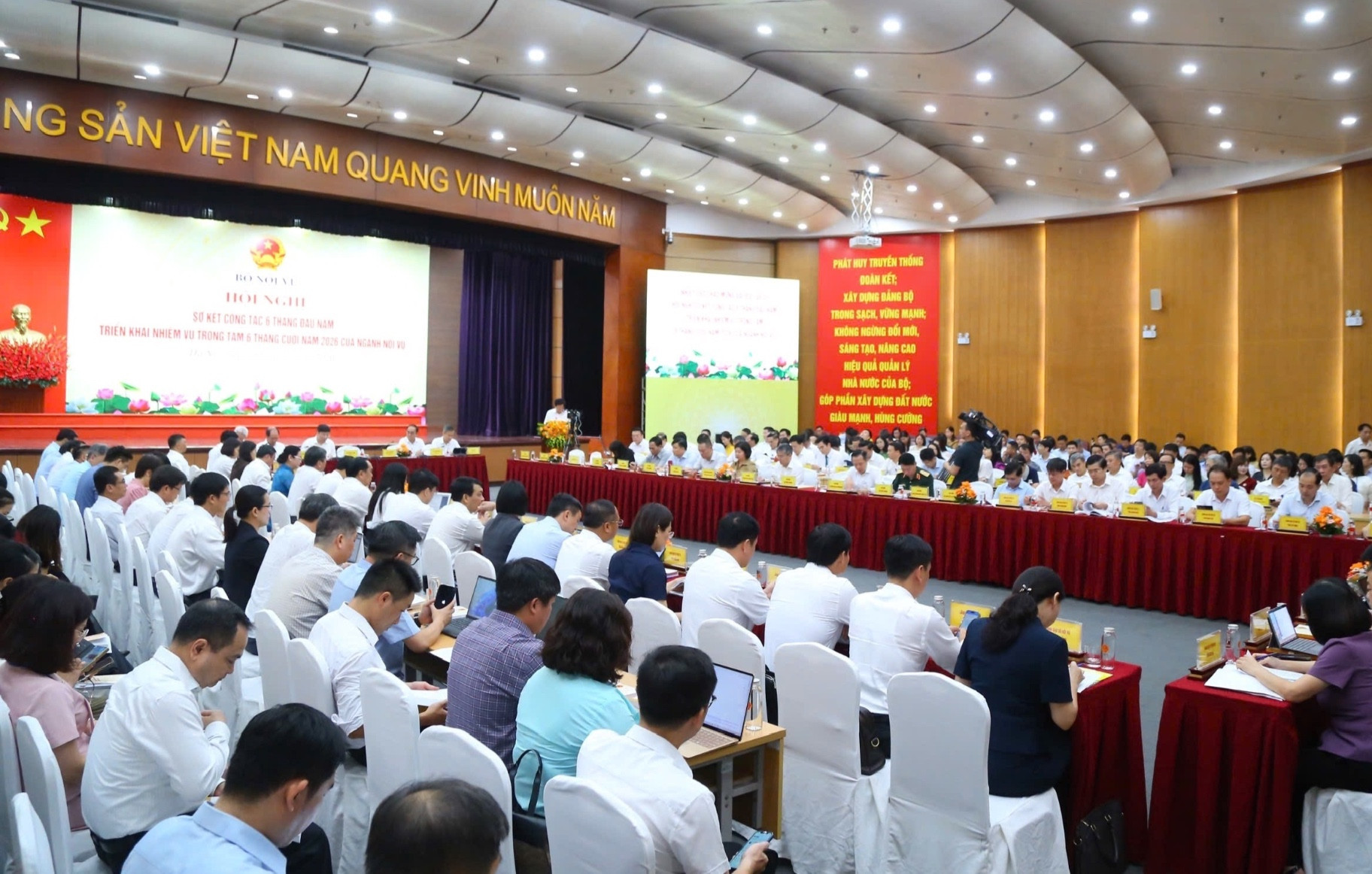
The announcement was made at the Ministry of Home Affairs' conference reviewing the sector's performance during the first six months of 2026 and outlining priorities for the remainder of the year.
Implementation now the key challenge
Opening the conference, Minister of Home Affairs Do Thanh Binh praised the sector for achieving most of its key targets during the first half of the year.
He said the results reflected close direction from the Party and Government, together with the sustained efforts of officials throughout the ministry.
The minister called on local authorities to conduct objective assessments of their performance over the past six months while candidly identifying shortcomings and proposing solutions.
According to Binh, Vietnam's main bottleneck is no longer limited to policymaking but increasingly lies in implementation.

He instructed local governments to comprehensively review all tasks assigned by the Party Central Committee, the Government and the Prime Minister, identifying completed work, delayed assignments and obstacles encountered during implementation.
Local authorities should proactively resolve issues within their jurisdiction rather than waiting for higher-level guidance or avoiding responsibility, he said. Matters beyond local authority should be promptly reported to ministries and the Government together with proposed solutions.
The minister also noted that decentralization has transferred significant new responsibilities to local governments, particularly at the commune level.
However, workloads vary considerably among localities. Some communes face heavy administrative demands while others have considerably lighter workloads.
He called for further reviews to ensure that responsibilities are matched with available resources and administrative capacity.
Binh also stressed the need to improve the quality of local officials, particularly at the grassroots level, as more authority has been delegated to local governments.
Administrative reforms continue
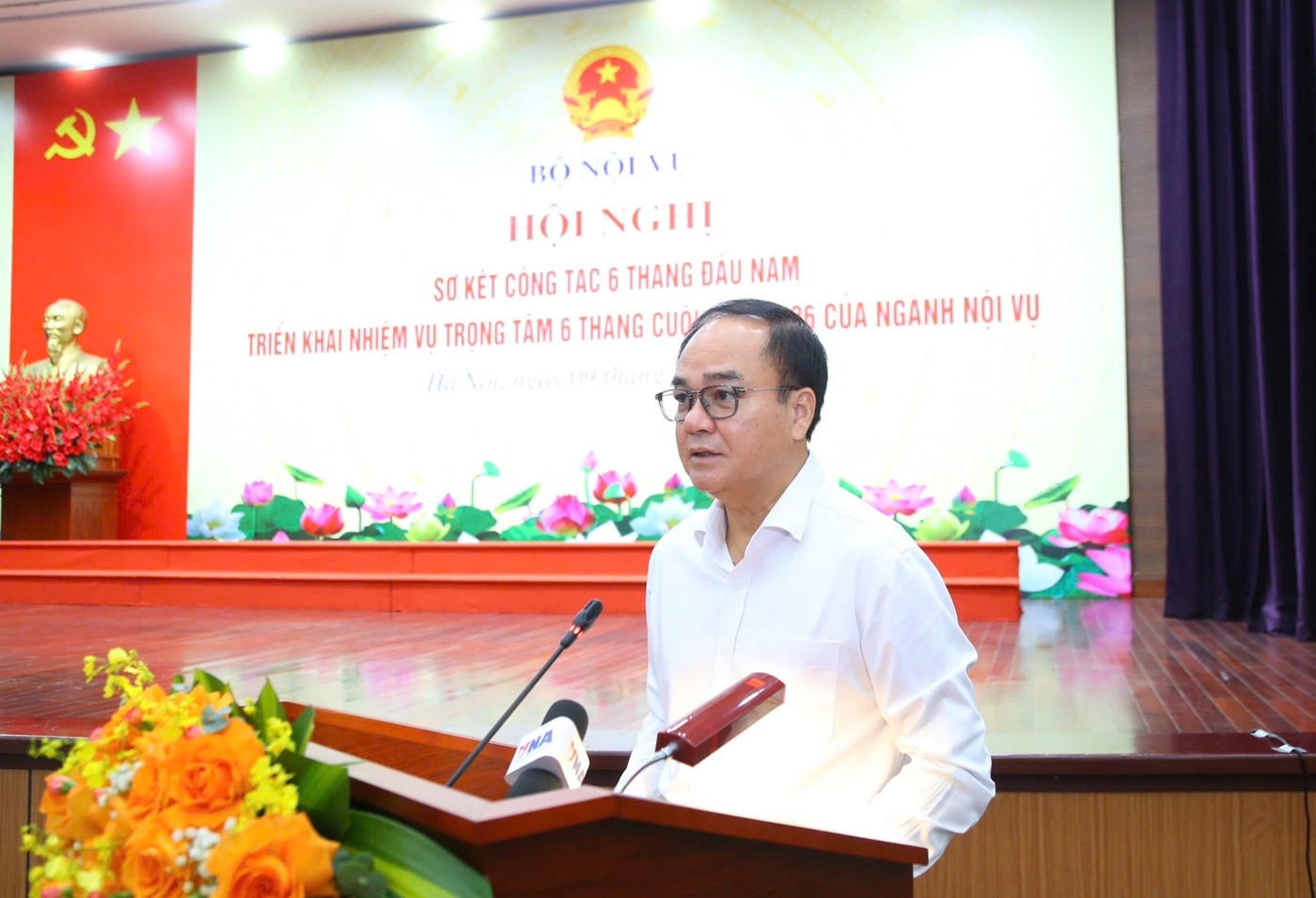
Reporting at the conference, Deputy Minister Vu Chien Thang said the ministry had handled an unusually large volume of complex and unprecedented work during the first half of 2026.
Priority areas included completing the legal framework for the operation of Vietnam's new two-tier local government system, restructuring state agencies, reorganizing the civil service, expanding decentralization and advancing administrative reform.
According to Thang, 1,377 responsibilities have now been delegated to local governments, accounting for nearly 69% of all eligible functions.
In addition, more than 1,160 tasks previously handled at the district level have been transferred to commune-level authorities, giving local governments greater autonomy.
Administrative reform has also continued to show positive results.
Citizen satisfaction with public administrative services has exceeded 83%, while provincial administrative reform scores have reached their highest levels since the assessment system was introduced.
Higher salaries and continued reforms
Among the most significant policy changes this year, the Government implemented an 8% increase in the statutory base salary from July 1, benefiting more than 2 million public-sector employees and members of the armed forces.
The regional minimum wage has also increased by an average of 7.2% since the beginning of the year.
Meanwhile, the number of people participating in social insurance is estimated to have reached 21.7 million, an increase of nearly 14.5% compared with the same period last year.
Despite these achievements, Thang acknowledged several ongoing challenges.
Some localities continue to experience difficulties operating the new two-tier local government system, while progress in building digital databases and digitizing official records has been slower than expected.
The quality of commune-level officials also remains uneven, and digital infrastructure and working conditions in some areas require further improvement.
During the second half of the year, the Ministry of Home Affairs plans to continue improving the legal framework governing the civil service, implement newly adopted laws relating to civil servants and public employees, study further reforms to salary and social insurance policies, accelerate digital transformation and administrative reform, and strengthen the quality of Vietnam's public workforce.
Vu Diep
.svg)
