 Vietnamnet.vn

 Podcast



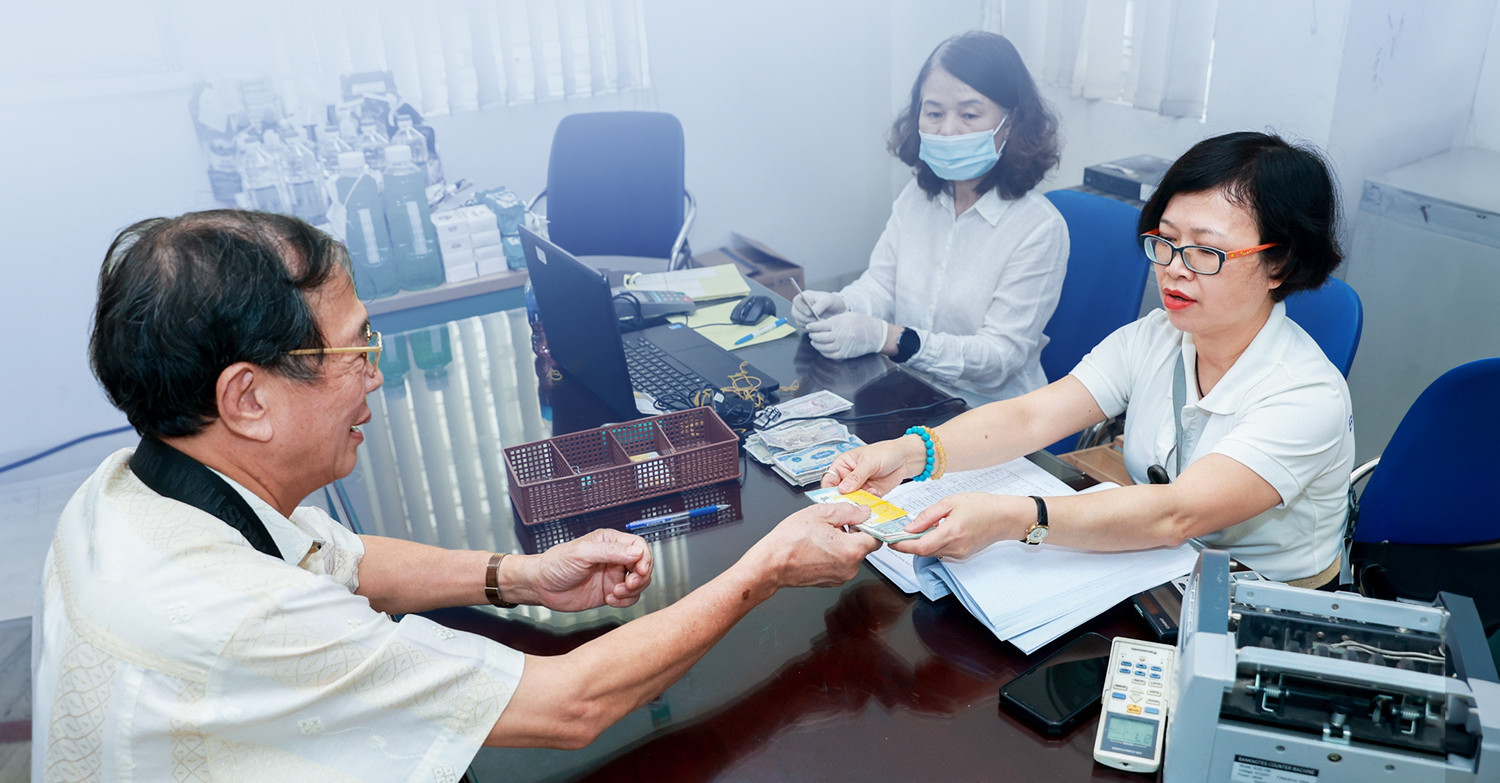
Under Government Decree No. 161/2026, the statutory base salary will increase from VND2.34 million ($92) to VND2.53 million ($100) per month from July 1. The adjustment will trigger corresponding increases in a wide range of pension, social insurance, health insurance and welfare benefits, as well as insurance contribution levels.
Pension increase for 3.4 million beneficiaries
One of the most significant changes is an 8% increase in pensions, social insurance benefits and monthly allowances for approximately 3.4 million beneficiaries.
Under the new regulations, individuals whose monthly payments remain below VND3.8 million ($150) after the 8% increase will receive additional adjustments aimed at ensuring a minimum income level.
Beneficiaries receiving VND3.5 million ($138) per month or less will receive an additional VND300,000 ($12) monthly supplement.
Those whose monthly benefits exceed VND3.5 million but remain below VND3.8 million after the increase will have their payments adjusted to VND3.8 million per month.
The policy applies to nine groups of pension and social insurance beneficiaries receiving monthly payments.
Social insurance benefits adjusted upward
With the increase in the statutory base salary, a range of social insurance benefits will also rise.
The one-time maternity allowance will increase from VND4.68 million ($185) to VND5.06 million ($200) per child.
Recovery allowances following childbirth or illness will increase from VND702,000 ($28) to VND759,000 ($30) per day.
Benefits for workers suffering from occupational accidents or occupational diseases will also rise. The one-time payment for workers assessed with a 5% loss of working capacity will increase to VND12.65 million ($500).
Monthly caregiving allowances for severely disabled workers will rise to VND2.53 million ($100), while compensation payable when a worker dies as a result of an occupational accident or disease will increase to more than VND91 million ($3,600).
Funeral grants will rise from VND23.4 million ($925) to VND25.3 million ($1,000).
Monthly survivor benefits for eligible family members will increase to between VND1.265 million ($50) and VND1.771 million ($70), depending on individual circumstances.
Additional support proposed for vulnerable groups
Beyond social insurance programs, the government is also considering increasing social assistance benchmarks and social retirement benefits from July 1.
According to a draft proposal currently under review, the standard social assistance level could rise from VND500,000 ($20) to VND540,000 ($21) per month, with another option proposing an increase to VND600,000 ($24).
If approved, the adjustment would significantly increase support payments for vulnerable groups, including elderly people without pensions, people with disabilities and children in especially difficult circumstances.
Poor elderly individuals without family support could receive monthly assistance ranging from VND810,000 ($32) to more than VND1.6 million ($63), depending on their specific circumstances.
According to policymakers, the proposed adjustments are intended to compensate for inflation, improve living conditions for low-income groups and maintain balance within Vietnam's social security system.
Experts say increase helps offset inflation
Speaking to VietNamNet, former Deputy Minister of Labour, Invalids and Social Affairs Pham Minh Huan, a labour and wage policy expert, said the adjustment is both necessary and positive under current economic conditions.
"An increase is always better than no adjustment at all. This rise helps offset part of the impact of inflation and contributes to preserving the real value of income for beneficiaries," Huan said.
He noted that civil servants, public employees and retirees would all see some improvement in income. However, he cautioned that the practical impact of an 8% increase may remain limited, particularly for those with low earnings.
"For people receiving lower incomes, an 8% increase only adds a modest amount. Nevertheless, it still provides additional support for daily living expenses at a time when prices continue to rise," he said.
Vu Diep
.svg)
