 Vietnamnet.vn

 Podcast



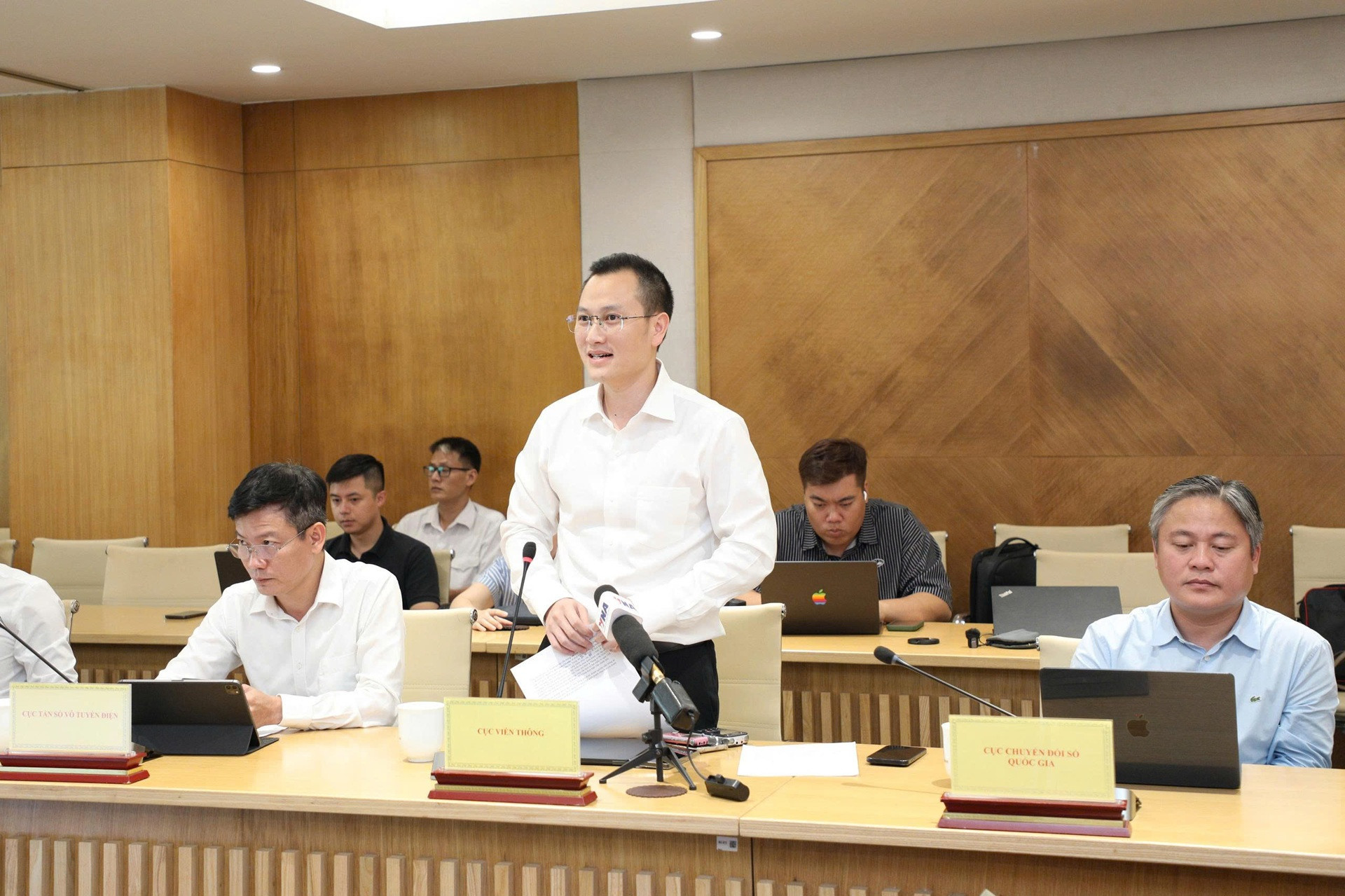
Speaking at the Ministry of Science and Technology's regular press briefing on July 31, Nguyen Anh Cuong, Deputy Director General of the Authority of Telecommunications, said Vietnam has made significant progress in the research, development and commercialization of 5G technology.
As of early 2026, domestic telecommunications operators had installed more than 40,000 5G base stations, extending network coverage to roughly 92% of the country's population.
According to Nguyen Anh Cuong, Vietnam was not among the earliest countries to launch 5G services, but the pace of deployment "can be considered among the fastest globally."
He noted that many countries typically require between three and five years to reach 90% population coverage. In his view, Vietnam's progress reflects the technological capabilities of its domestic telecom operators, as well as their expertise in optimizing and operating large-scale networks.
Alongside network expansion, Vietnam has also made notable advances in telecommunications equipment manufacturing.
Nguyen Anh Cuong said that of the more than 40,000 operational 5G base stations, around 2,500 use equipment designed and manufactured by Vietnamese companies in accordance with international standards, representing approximately 6% of the total. Mobile network operators are aiming to further increase the share of domestically produced equipment across their networks.
Discussing the future development of 6G, the telecommunications official emphasized that mobile communications technologies require global coordination and internationally agreed standards to ensure seamless interoperability across networks.
He said the research and standardization of 6G are being carried out through international organizations, including the International Telecommunication Union (ITU) and the 3rd Generation Partnership Project (3GPP).
To prepare for the next generation of wireless technology, the Ministry of Science and Technology has established a national 6G Steering Committee.
The committee includes representatives from telecommunications and radio frequency management agencies, technology companies and universities. According to the ministry, the framework is intended to help Vietnamese businesses and research institutions participate in 6G development from the earliest stages of international standard-setting, enabling them to contribute to global standards while preparing for future deployment in Vietnam.
Assessing the country's ability to master emerging technologies, Nguyen Anh Cuong said Vietnam previously required more than eight years after 4G standards were established before it could manufacture and develop its own telecommunications equipment.
For 5G, he said, that timeline has been reduced to nearly two years.
Building on experience gained from previous generations of mobile technology, Vietnam expects to further shorten the time required to research, develop and master 6G technology once global deployment officially begins.
Du Lam
.svg)
