 Vietnamnet.vn

 Podcast



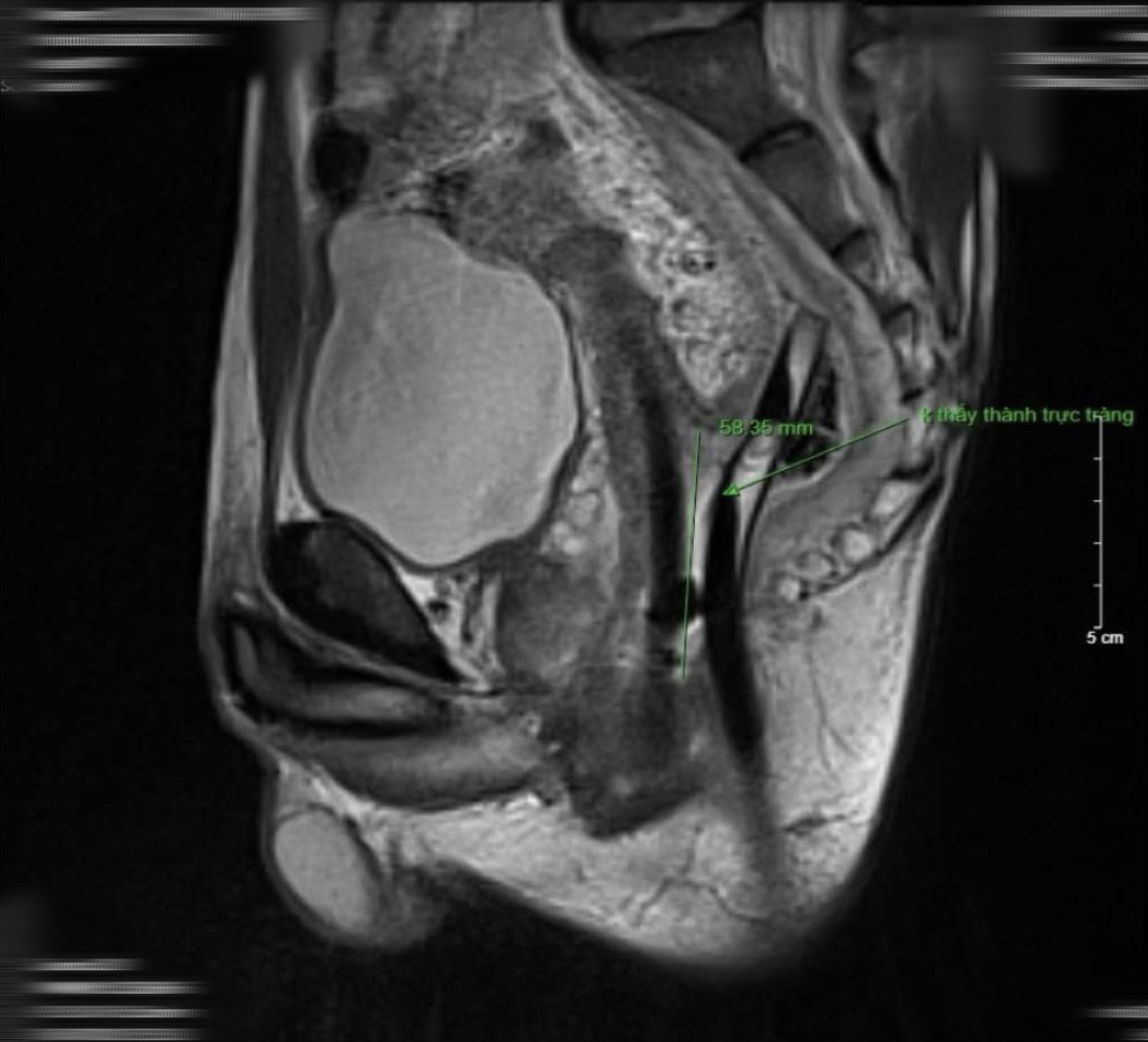
According to the hospital, the injury has not previously been encountered in clinical practice in Vietnam, and no specific treatment protocol has been documented in international medical literature.
The patient was transferred to Viet Duc University Hospital in Hanoi from another medical facility with a severe anorectal infection.
Seven to 10 days earlier, he had undergone two operations - one for hemorrhoids and another for an anal abscess. His condition continued to deteriorate after surgery, prompting his family to request a transfer.
Dr. Nguyen Dac Thao, a specialist at the hospital's Center for Digestive Surgery and Pelvic Floor Disorders, said the patient arrived with extensive inflammation affecting the perineal region and faced a life-threatening risk of sepsis.
Emergency surgery was performed immediately to control the infection.
Because of the rarity of the injury and the lack of an established treatment protocol, doctors based their management entirely on their clinical experience and assessment of the patient's condition during surgery.
Following multidisciplinary consultations, the medical team controlled the infection, created a temporary colostomy and sought to preserve the patient's natural anal function.
The patient has since stabilized and is able to eat, walk and carry out normal daily activities.
However, doctors expect he will require another three to four operations in the hope of restoring normal bowel function.
Doctors advised patients with anorectal conditions to seek diagnosis and treatment at reputable hospitals with specialist expertise.
They also warned against attempting home remedies or unverified procedures involving the anorectal area, saying such practices could result in severe complications, permanent colostomy or even death.
Patients who develop complications after an initial operation should be transferred promptly to specialist hospitals for appropriate treatment.
Vo Thu
.svg)
