 Vietnamnet.vn

 Podcast



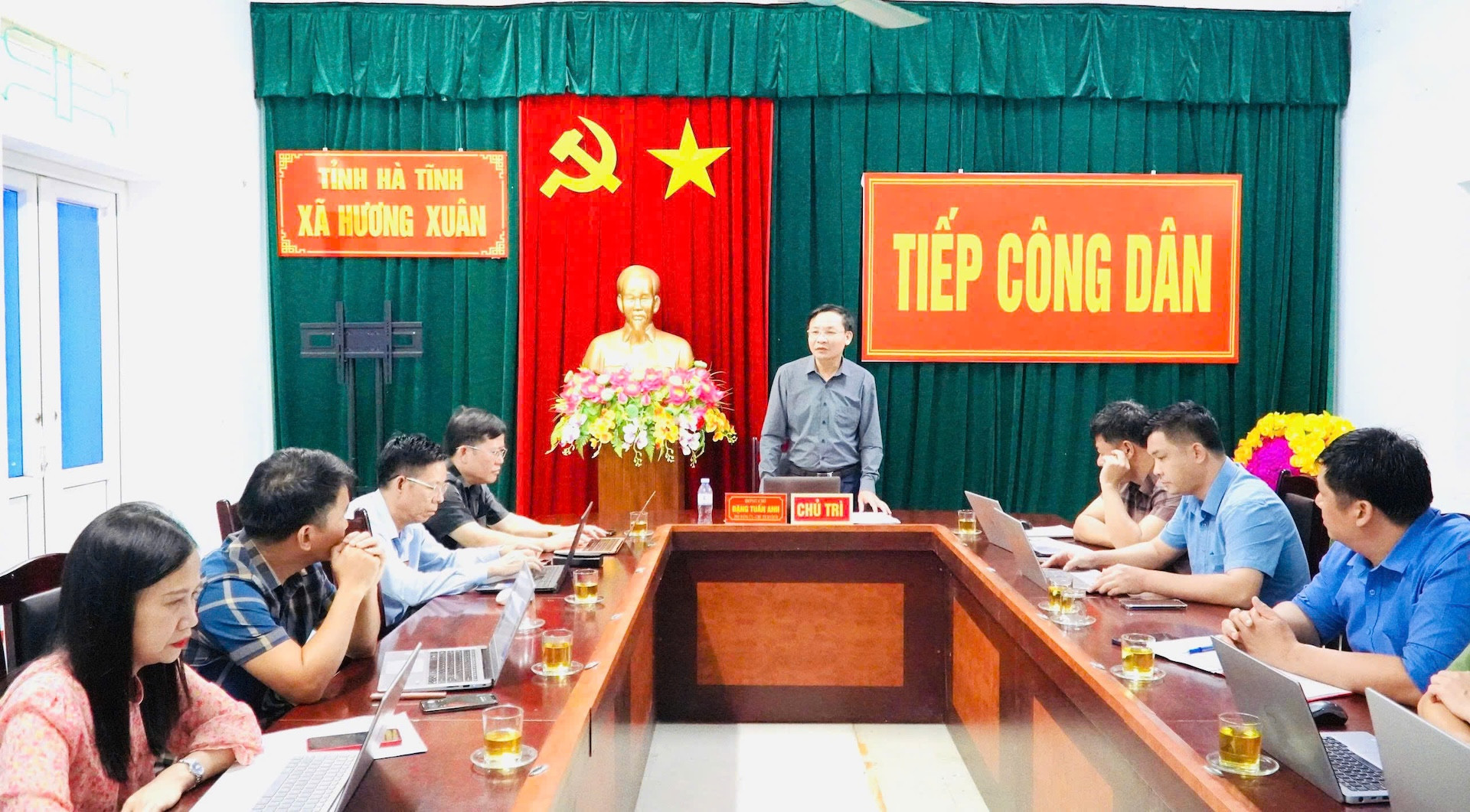
On behalf of the Party Secretariat, Permanent Member of the Secretariat Tran Cam Tu recently signed and issued Plan No. 08 to implement Politburo Resolution No. 25 on the strategy for ideological work in the new context.
The plan aims to bring about fundamental and substantive changes in ideological work to meet the demands of today’s information environment and digital space.
One of its key objectives is to shift the focus of ideological work from managing information toward guiding public awareness, strengthening public confidence, building social consensus and inspiring aspirations for national development.
It also seeks to link ideological work with the effective implementation of tasks involving economic development, culture and society, national defense, security, foreign affairs and social welfare policies.
Another objective is to strengthen society’s ideological resilience and safeguard ideological security under all circumstances, while ensuring that ideological work operates in a coordinated and consistent manner across both physical and digital spaces and further consolidating public support.
The Secretariat assigned the Government Party Committee to lead and direct the Ministry of National Defense in developing plans, proposing necessary resources and implementing technical measures to protect the Party’s ideological foundation and counter what are described as erroneous and hostile viewpoints from the central to grassroots levels.
The ministry is also tasked with developing capabilities to detect and trace organized information campaigns.
It will direct the Government Cipher Committee to ensure confidentiality and authentication and protect state secrets involving related systems and databases.
The Ministry of Public Security will take the lead in developing plans, proposing resources and implementing measures to safeguard ideological, cybersecurity and data security, as well as system safety.
It will also oversee technical solutions for secure connectivity and interoperability, information verification and prevention, and data classification and access authorization.
The Secretariat specifically called for stronger capabilities to trace deepfakes and identify networks spreading false information, as well as measures to prevent and address the dissemination of fake or inaccurate information and coordinate the removal of content found to be in violation.
Network of 15,000-20,000 influential figures planned
The Ministry of Science and Technology has been tasked with leading the development of at least five “Make in Vietnam” artificial intelligence platforms and tools, gaining mastery of large language models for Vietnamese and developing tools for ethnic minority languages.
It will also take the lead on telecommunications and transmission infrastructure, eliminating mobile and internet coverage gaps in border areas, at sea, on islands and in ethnic minority communities.
The Ministry of Culture, Sports and Tourism will take the lead in developing, submitting for approval and implementing a plan for the grassroots information system.
This includes completing an interconnected information system reaching 100% of commune-level administrations and digitizing and modernizing commune-level broadcasting and other grassroots information facilities.
The ministry will also exercise state management over journalism, communications, publishing, digital culture and external information.
It has also been assigned to lead the development of infrastructure and platforms for a multilingual, multiplatform external communications ecosystem and to build a network of 15,000-20,000 respected and positively influential individuals.
The ministry will additionally work to improve financial mechanisms and commissioning arrangements for the press.
Provincial and municipal Party committees and Party committees directly under the Party Central Committee are required to deploy personnel responsible for ideological work and maintain regular ideological activities in individual residential areas.
They must closely monitor public sentiment and opinion, communications risks and emerging hotspots at the grassroots level, preventing problems from accumulating or spreading within their jurisdictions.
Commune, ward and special-zone Party committees are required to proactively monitor developments and respond to emerging issues involving ideology and public opinion.
They must handle matters within their authority or promptly report them and propose action by competent agencies.
They are also responsible for operating local information systems and disseminating official information to the public, ensuring an uninterrupted two-way flow of official information and preventing issues from becoming prolonged or developing into more complicated problems because of a lack of responsibility.
The Secretariat also requires Party committees to assign a member of their standing committees to directly oversee ideological work and ensure sufficient full-time personnel are assigned to such work at the commune level.
Regular activities must be maintained in villages, residential groups and communities, while ideological work is to become a mandatory component of Party cell meetings and activities of the Vietnam Fatherland Front and socio-political organizations.
The Secretariat also emphasized the need to maintain regular direct dialogue between heads of Party committees and local administrations and the public.
Ideological issues should be addressed where they arise, while the outcomes of how public feedback is received and handled should be made public.
Secretaries of Party committees will bear direct responsibility before higher-level Party committees for the results of ideological work within their jurisdictions.
They are required to regularly receive reports on ideological developments and public opinion and personally direct the handling of complex cases as they emerge.
The Secretariat also instructed organizations across the political system to strengthen their communications units and spokesperson arrangements by reviewing and assigning focal points for communications duties and designating spokespersons in accordance with regulations, without creating additional intermediary organizational structures.
Tran Thuong
.svg)
