 Vietnamnet.vn

 Podcast



A strong rebound
Several key macro indicators reflect the strength of Vietnam’s post-pandemic recovery: GDP growth is estimated at around 8%, export-import turnover surpassed $900 billion, and the country maintained a trade surplus.
Meanwhile, inflation remained under 4%, and state budget revenue exceeded projections, all in a year marked by global volatility.
These achievements stem from consistent economic governance, where macroeconomic stability has served as the foundation for growth.
But beyond headline numbers, the essential question is not just how fast Vietnam is growing, but how that growth is being generated, and whether it is resilient enough to last.
Unprecedented credit growth
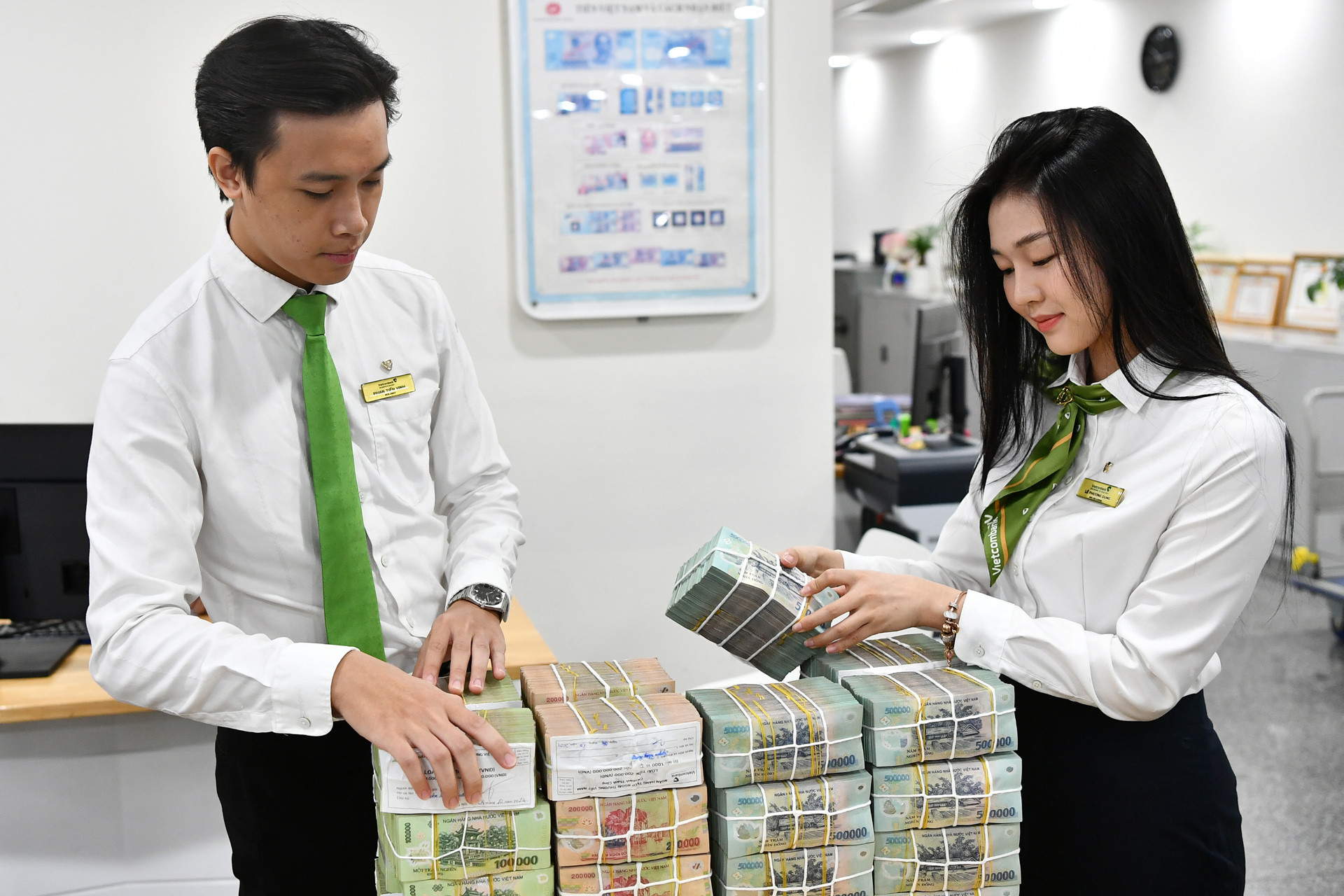
Among the key drivers of 2025’s economic momentum was bank credit, which surged at a record pace.
By the end of December, credit grew by 17.87% compared to 2024, one of the highest rates in recent years.
The bulk of this lending supported production and business, especially in supporting industries and high-tech sectors.
This reflects the banking system’s effort to meet capital demand, while channeling credit toward value-added sectors.
However, this surge also intensified liquidity pressures.
While credit grew nearly 18%, deposit growth lagged at only 14%, pushing the loan-to-deposit ratio to around 146%.
This imbalance is compounded by the banking system’s structural issues: short-term funds still dominate, while medium- and long-term loans make up half of total lending, posing risks to maturity balance and liquidity management.
It’s a clear sign that Vietnam’s economy is expanding rapidly, with strong capital demand, but limited room for loose monetary policy.
Despite this, the country managed to keep interest rates at reasonable levels, a notable achievement under rising liquidity stress.
Vietnam’s monetary policy had to walk a tightrope, supporting business while safeguarding liquidity - especially during year-end periods when payment and disbursement needs spike seasonally.
These pressures did not compromise macro stability.
Instead, they highlighted the improved coordination between monetary and fiscal policies, with a shift toward proactive and flexible management.
Public investment surges
Public investment hit a record of 1.3 million billion VND (around US$52 billion) in 2025.
The year saw the launch of multiple major projects - both state and private - coinciding with three key national milestones: A50, A80, and December 19.
Strategic infrastructure in transportation, energy, and logistics advanced in parallel.
Long-standing legal hurdles were resolved, weak credit institutions restructured, and Vietnam’s stock market was upgraded to secondary emerging status.
These efforts may not show immediate results but lay the foundation for future development, especially in innovation, digital economy, high-tech, and labor productivity.
In 2025, institutional and infrastructure shifts created vital groundwork for medium- and long-term growth.
On the fiscal side, state revenue reached $101.3 billion by mid-December, exceeding targets by over 30% and marking a record high.
Revenue sources have increasingly shifted toward production and business rather than short-term income streams.
Spending priorities also shifted: routine expenditure was trimmed, while capital investment and social welfare spending increased.
The government continued offering tax breaks and deferrals to support businesses and households through recovery.
Despite high spending, deficit and public debt levels remained within safe limits - a sign of an evolving governance mindset, moving from reactive to developmental.
Taken together, 2025 is a watershed year, combining high-speed growth with a call to elevate quality and sustainability.
Private consumption below expectations
Yet from the demand side, a concerning trend emerged: sluggish domestic consumption.
Retail and service revenue grew only 7% over 11 months, falling short of the 10.5% target, and lower than pre-COVID baselines.
Retail sales, which account for over 75% of total consumer spending, rose by only 8%, reflecting a cautious, uneven recovery in domestic purchasing power.
This completes the 2025 growth picture: Vietnam achieved high GDP growth, but the momentum stemmed mainly from credit and investment, while private consumption lagged behind.
Going forward, the goal is not to slow growth, but to anchor it more firmly on macro stability, while building new engines of development - productivity, innovation, and private sector competitiveness.
The credit surge and tight liquidity are not warning signs, but indicators that Vietnam is transitioning into a new development phase, with increasing capital needs for investment, tech modernization, and production expansion.
Looking ahead to 2026
Heading into 2026, the government has set ambitious growth goals, but with a stronger emphasis on policy caution, especially in monetary strategy.
The National Financial and Monetary Policy Advisory Council has recommended avoiding further monetary loosening, maintaining tight coordination between monetary and fiscal tools, and focusing on digitalization, high-tech, IT infrastructure, and innovation.
Monetary policy, the Council stressed, must prioritize macroeconomic stability, support growth, control inflation, and maintain key economic balances.
Meanwhile, fiscal policy should remain expansive but efficient, with a focus on accelerating public investment, attracting high-quality FDI, ensuring stable supply chains, and stimulating credit for market expansion.
Maintaining this balance - cautious monetary policy paired with targeted fiscal expansion - alongside digital infrastructure and innovation investments, will be crucial to shifting Vietnam’s growth model from credit-fueled expansion to quality-driven development.
2025 proved that high growth only matters if it rests on a solid foundation: A well-managed financial system, consistent macro policy, and a long-term vision.
Looking back is not to downplay progress, but to understand the structural work needed to ensure each step forward is stable and enduring.
Tu Giang
.svg)
