 Vietnamnet.vn

 Podcast



Three Buddhist relic towers dating to Vietnam’s Tran Dynasty in Ninh Binh - unique examples of the country’s spiritual architecture - are at risk of disappearing. Valuable archaeological remains have collapsed, been neglected or suffered serious damage.
At a scientific conference on Vietnamese Buddhist texts in late August 2026, Dr. Nguyen Ngoc Quy of the Institute of Archaeology under the Vietnam Academy of Social Sciences warned about the condition of Ninh Binh’s Tran-era Buddhist tower system.
Archaeological discoveries have underscored the urgent need for an interdisciplinary research program and immediate conservation efforts before these historical treasures disappear permanently.
Priceless traces of history
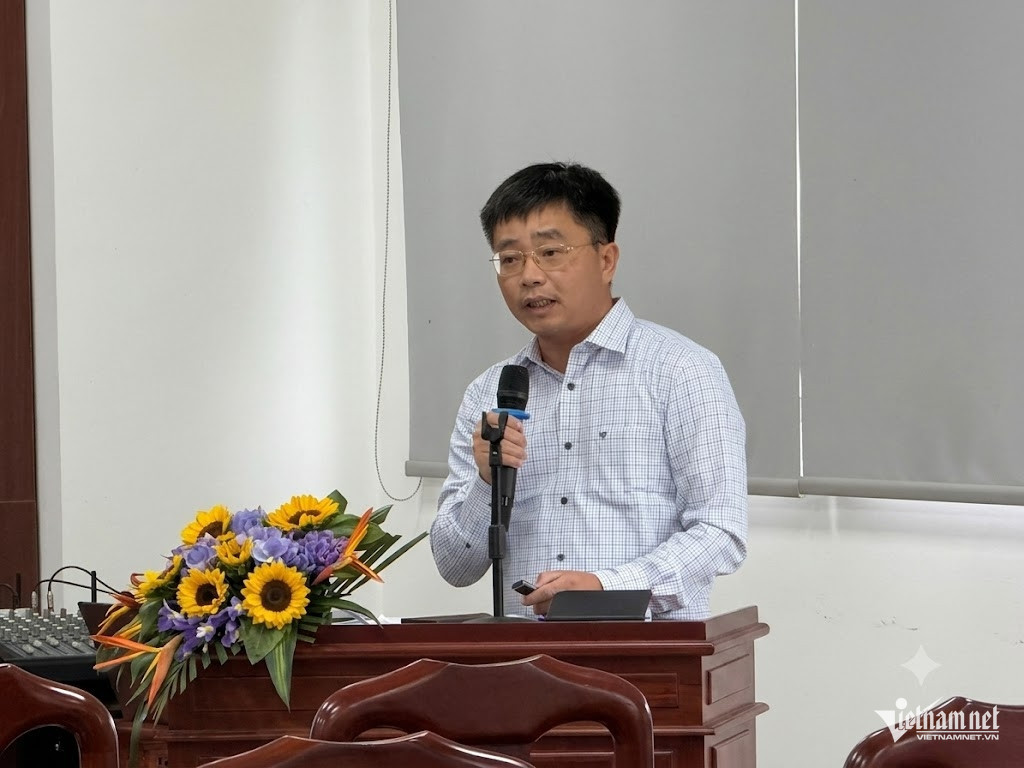
Quy said archaeological research conducted in 2022 uncovered invaluable historical remains.
Vu Lam Royal Retreat was where Tran Nhan Tong, a former emperor who later became known as the Buddha Emperor, first entered monastic life, a journey that led to the formation of the Truc Lam Zen Buddhist school in the late 13th century.
Located within the Trang An Landscape Complex in Ninh Binh, Vu Lam had earlier served as a command center for the Tran Dynasty’s resistance against Mongol-Yuan forces. The area also preserves traces of the beginning of Tran Nhan Tong’s path toward an ascetic religious life.
At the Vuon Am area along the Ngo Dong River, archaeologists discovered an earthen foundation built against a mountain. It has been identified as the site of the first simple hermitage erected by the former emperor after he became a monk.
Behind Thai Vi Temple, in the Trieu Vu temple area, archaeologists also excavated traces of a hearth. Charcoal and ash remains are undergoing microarchaeological analysis in an effort to reconstruct details of everyday life among members of the Tran royal family during the period.
Three unique towers built to hold Buddhist relics
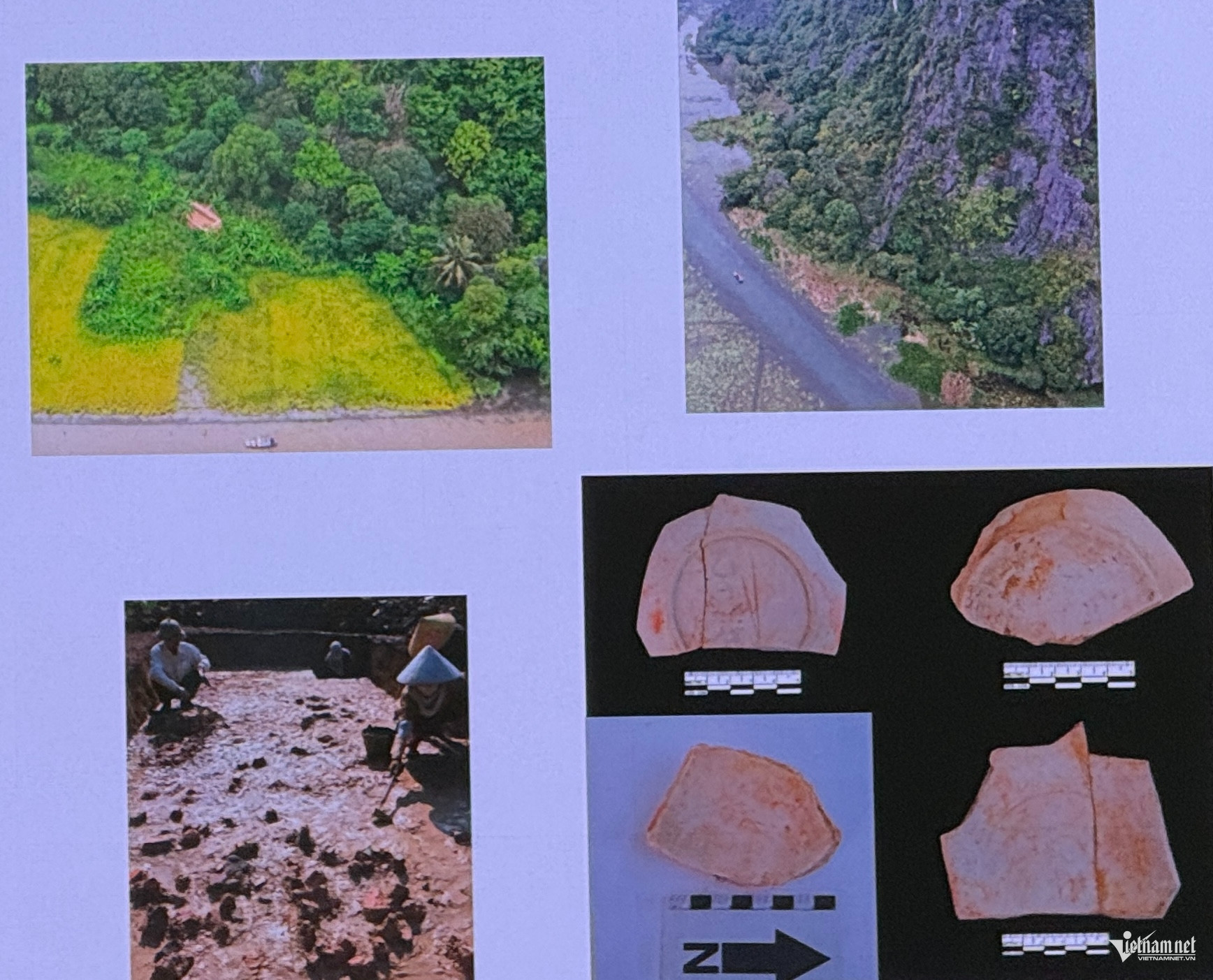
By comparing archaeological findings with ancient inscriptions carved into cliffs and rock faces, Quy and his research team have preliminarily concluded that Ninh Binh once had a system of three Buddhist towers holding relics associated with leading early figures of the Truc Lam Zen tradition.
The first stood on Non Nuoc Mountain, also known as Duc Thuy Mountain, and enshrined relics of Tran Nhan Tong.
An inscription titled Duc Thuy son Linh Te thap ky, written by renowned scholar Truong Han Sieu in 1343, described the structure as a four-story tower whose reflection fell upon the river below.
The second tower stood on Tien Long Mountain and enshrined relics of Phap Loa, the second patriarch of the Truc Lam school. An inscription titled Tien Long son Kim Cuong tu Hien Dieu thap bi van, composed by Prince Tran Nguyen Trac, indirectly records that the tower was erected in accordance with Phap Loa’s final wishes to house his relics.
The third stood on Thu Moc Mountain in the Ghenh Thap area and enshrined relics of Zen master Tri Nhu, a monk who played a major role in mobilizing support for the construction of the Buddhist towers.
Quy highlighted what he described as an especially significant feature of the sites.
“The Buddhist towers in Ninh Binh have a distinctive architectural style, artistic expression and construction techniques found nowhere else,” he said. “They show direct influence from Indian Buddhist art transmitted along a southern route from Champa into Dai Viet, considered a direct consequence of Buddha Emperor Tran Nhan Tong’s historic journey to the south.”
Priceless heritage at risk of being erased
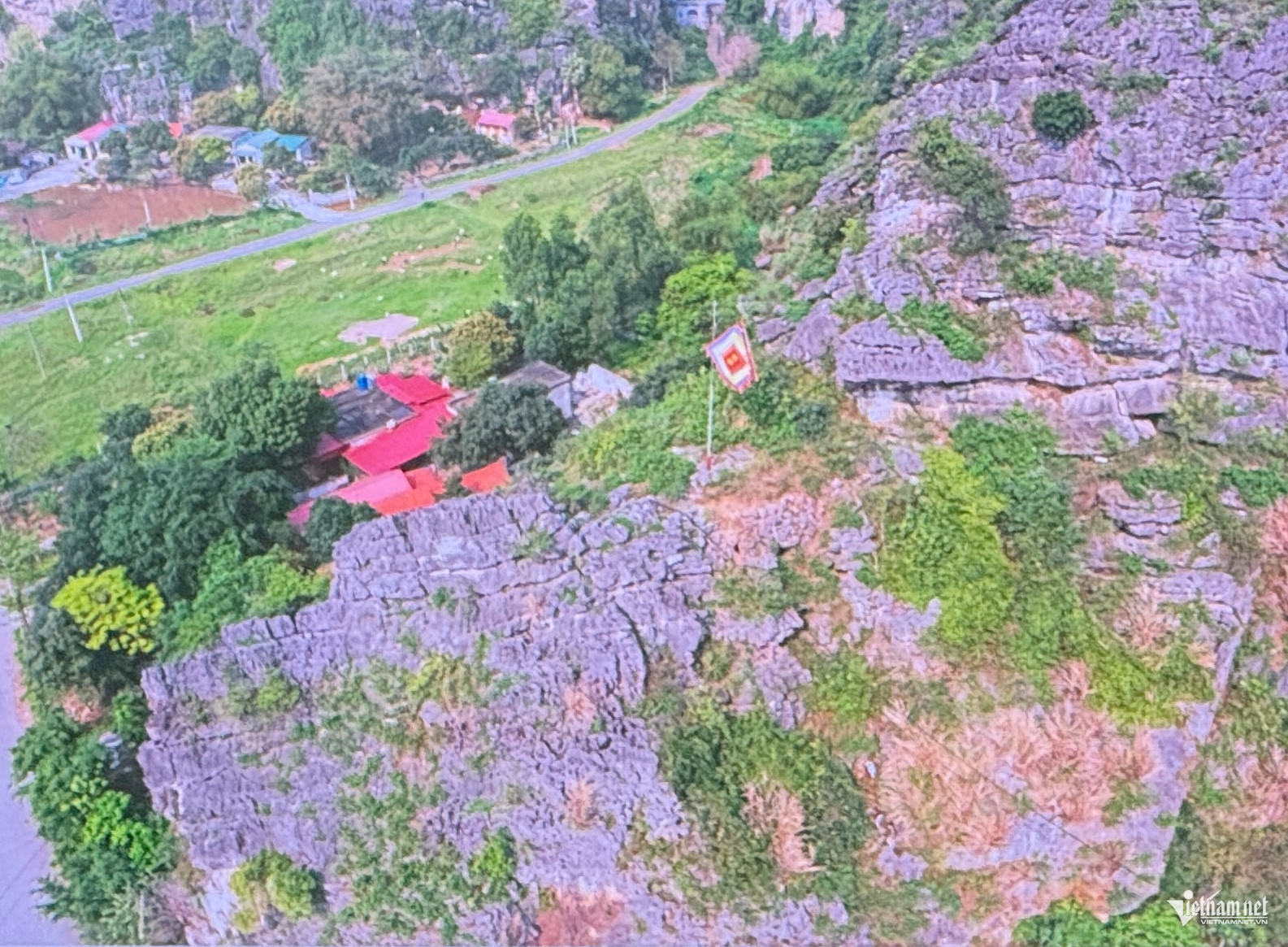
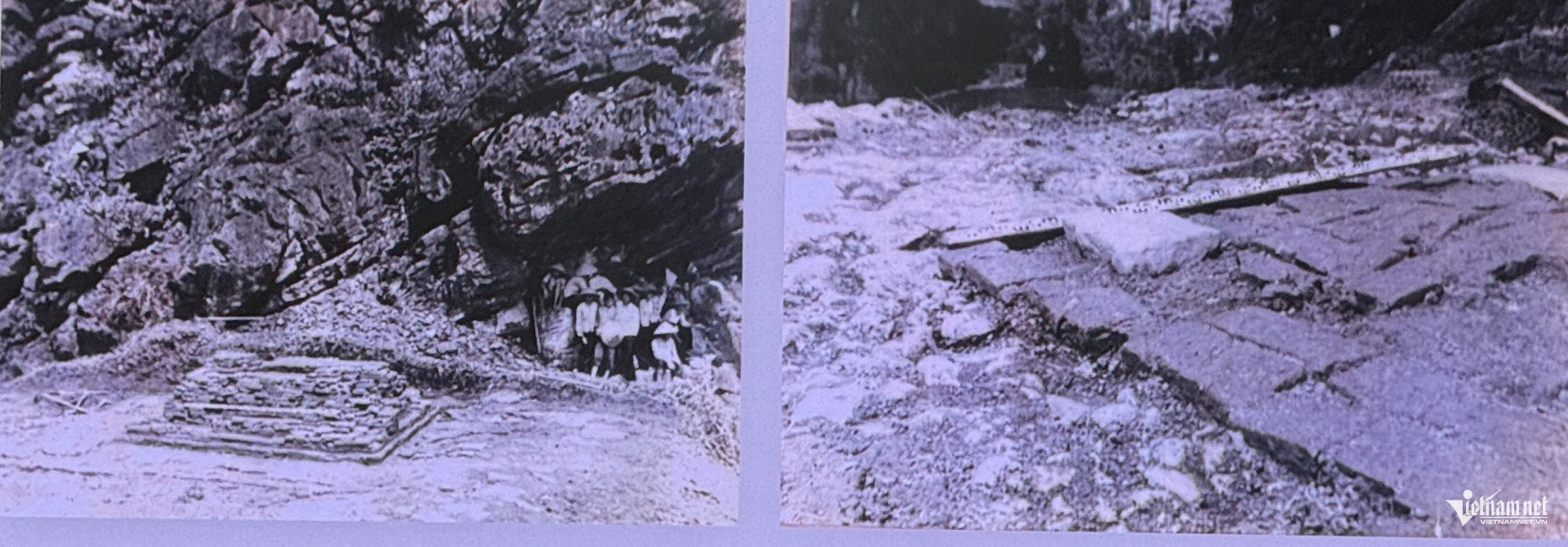
Despite their immense historical and spiritual significance, Ninh Binh’s Tran-era Buddhist towers have suffered serious damage and intrusion, with many traces already disappearing.
The tower dedicated to Tran Nhan Tong on Duc Thuy Mountain is now overlain by newer Buddhist structures. Only a few fragments of the precious 13th-century tower bricks survive, scattered or lodged in crevices in the mountain.
On the summit of Tien Long Mountain, the tower dedicated to Phap Loa has completely collapsed. Its old foundations and ancient bricks lie exposed and scattered across the mountaintop, vulnerable to weathering and continued neglect.
When the tower on Thu Moc Mountain was excavated in 1984, archaeologists had not yet identified the structure of the “sacred pit” used to hold Buddhist relics. The way the pit was handled at the time left mysteries deep within the tower unresolved.
The ancient rock inscription on Thu Moc Mountain has also weathered to the point that its characters are no longer clearly legible. The inscription on Tien Long Mountain has suffered substantial damage as well, destroying several lines containing important historical information.
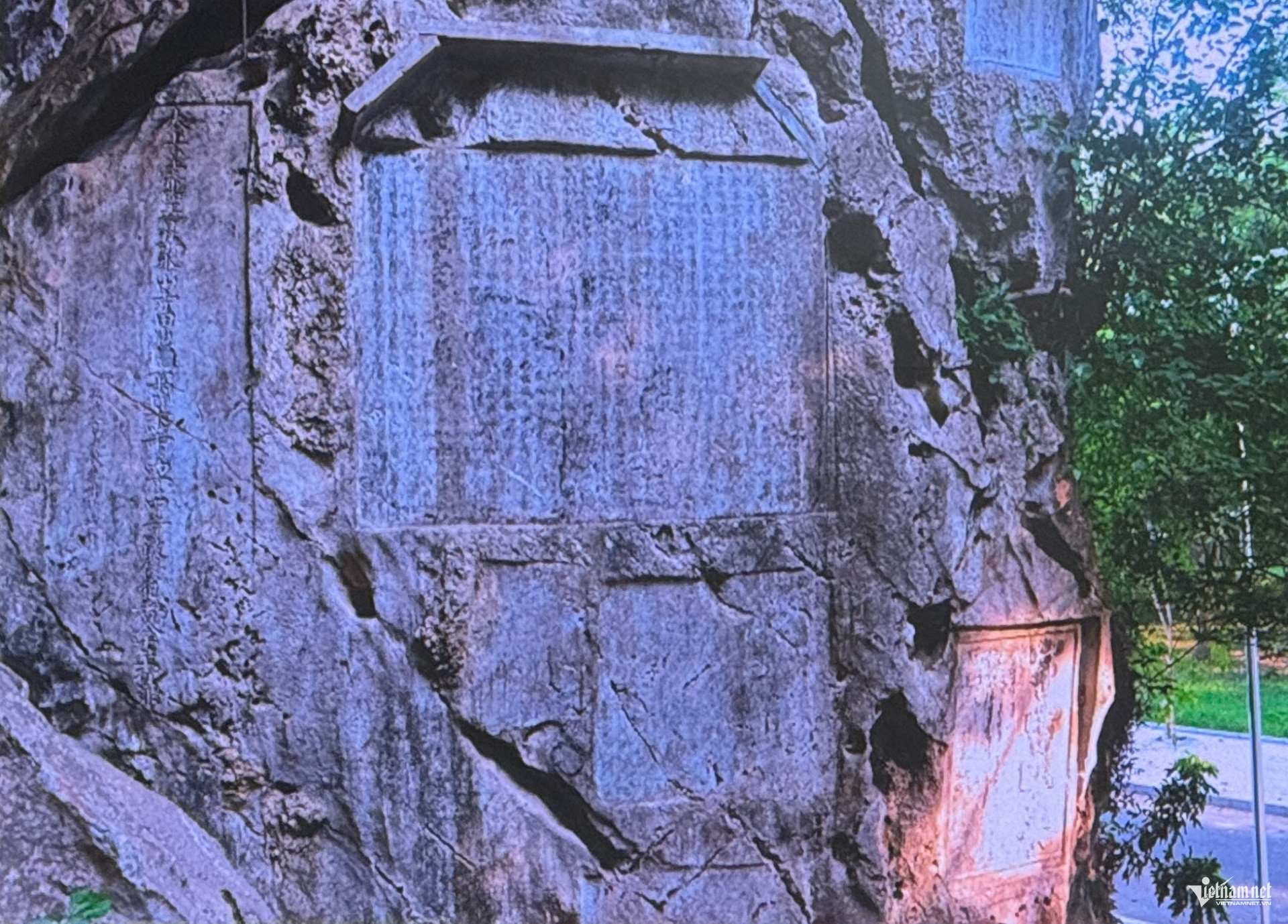
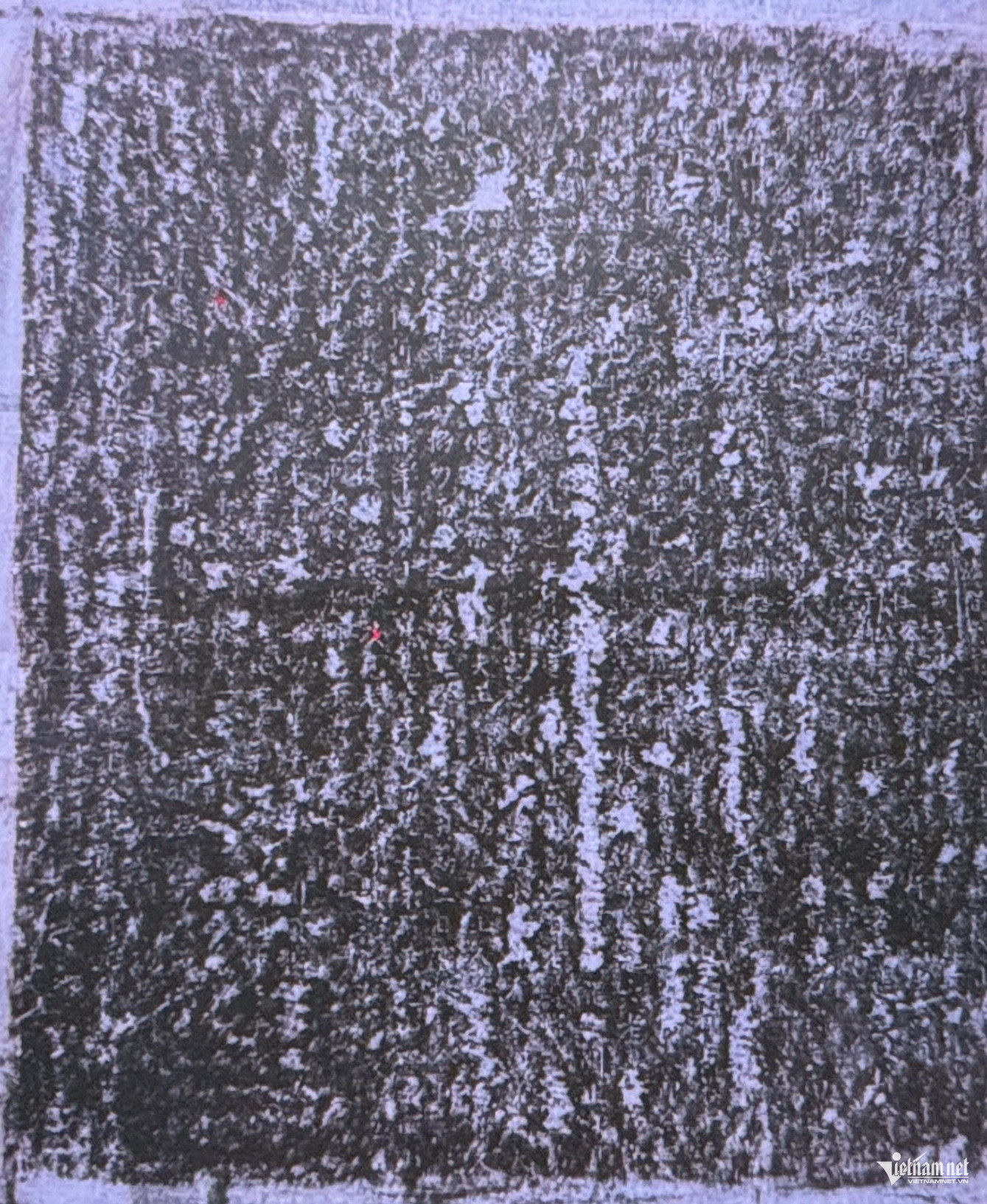
“Many extremely important Tran Dynasty Buddhist sites in Ninh Binh have not received the attention they deserve, leaving them forgotten or seriously damaged,” Quy said.
To save the tower system from being permanently erased, experts have proposed that Ninh Binh authorities quickly carry out archaeological excavations on Tien Long Mountain to preserve what remains of the foundations and investigate the construction techniques used for the sacred pit.
They have also called for interdisciplinary cooperation among archaeologists, historians and scholars specializing in Han-Nom, Vietnam’s historical Chinese and demotic scripts, to decipher unclear and damaged sections of the ancient rock inscriptions.
Protecting these sites and bringing their heritage back into contemporary life is not only a responsibility toward previous generations but also a way to preserve the rich historical picture of Tran-era Truc Lam Buddhism in Ninh Binh, once an ancient capital region of Vietnam.
Binh Minh
.svg)
