 Vietnamnet.vn

 Podcast



Tinh Le
Along a mountain stream in Vietnam’s sacred Yen Tu landscape, unusual rocks split between rough brown and smooth white surfaces are tied to a centuries-old story about Emperor-Monk Tran Nhan Tong and the relationship between spiritual and worldly life.
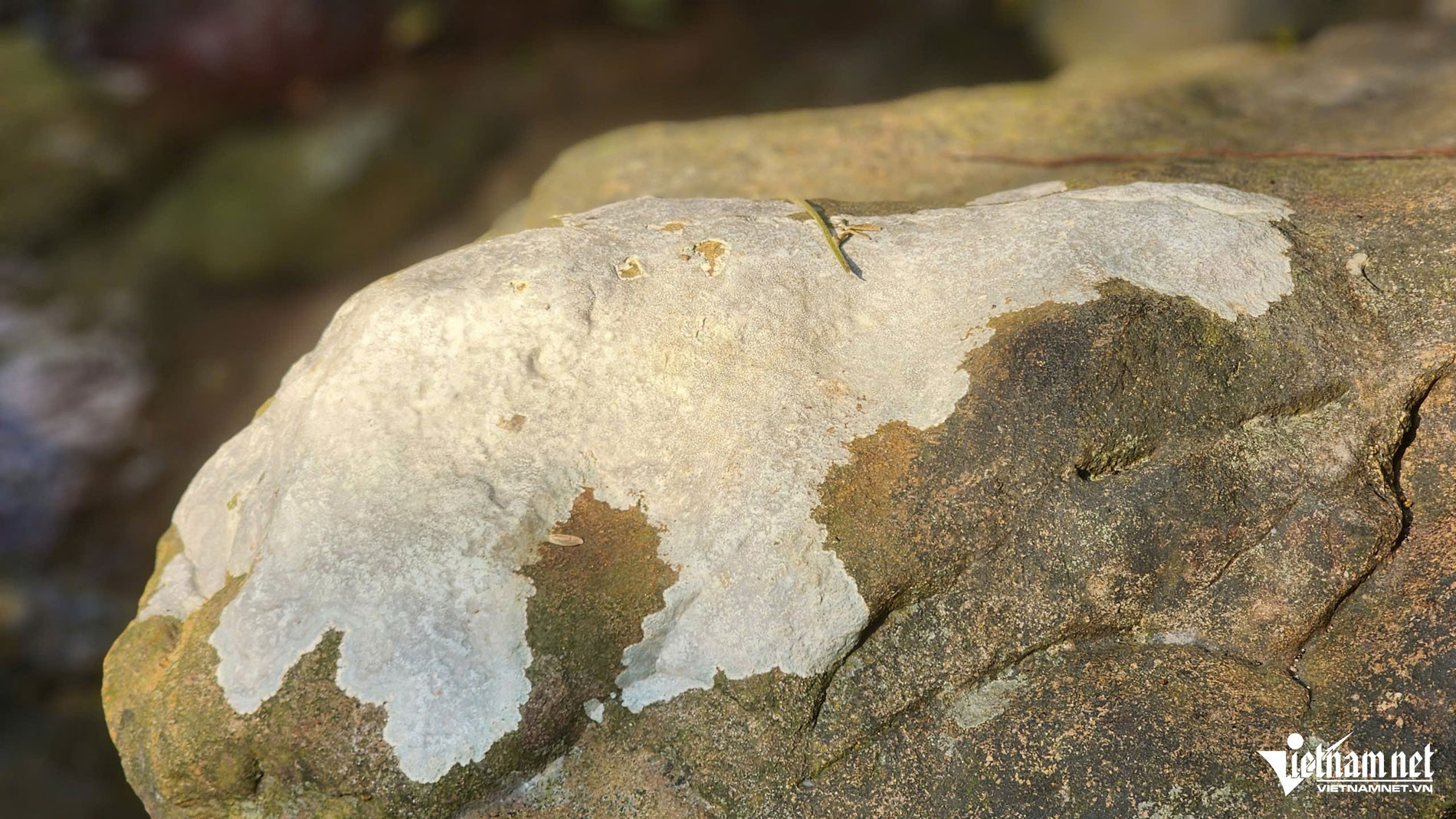
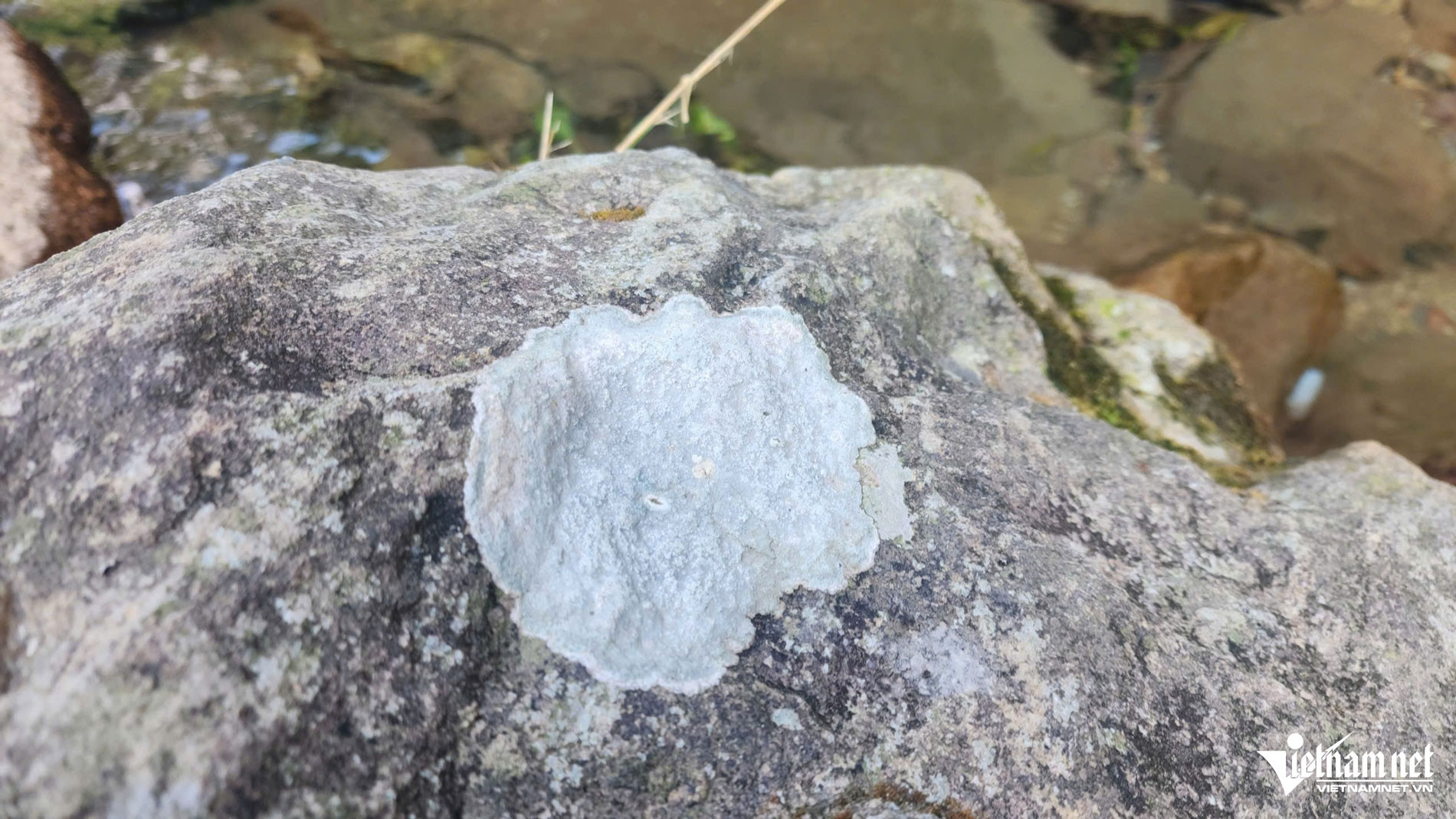
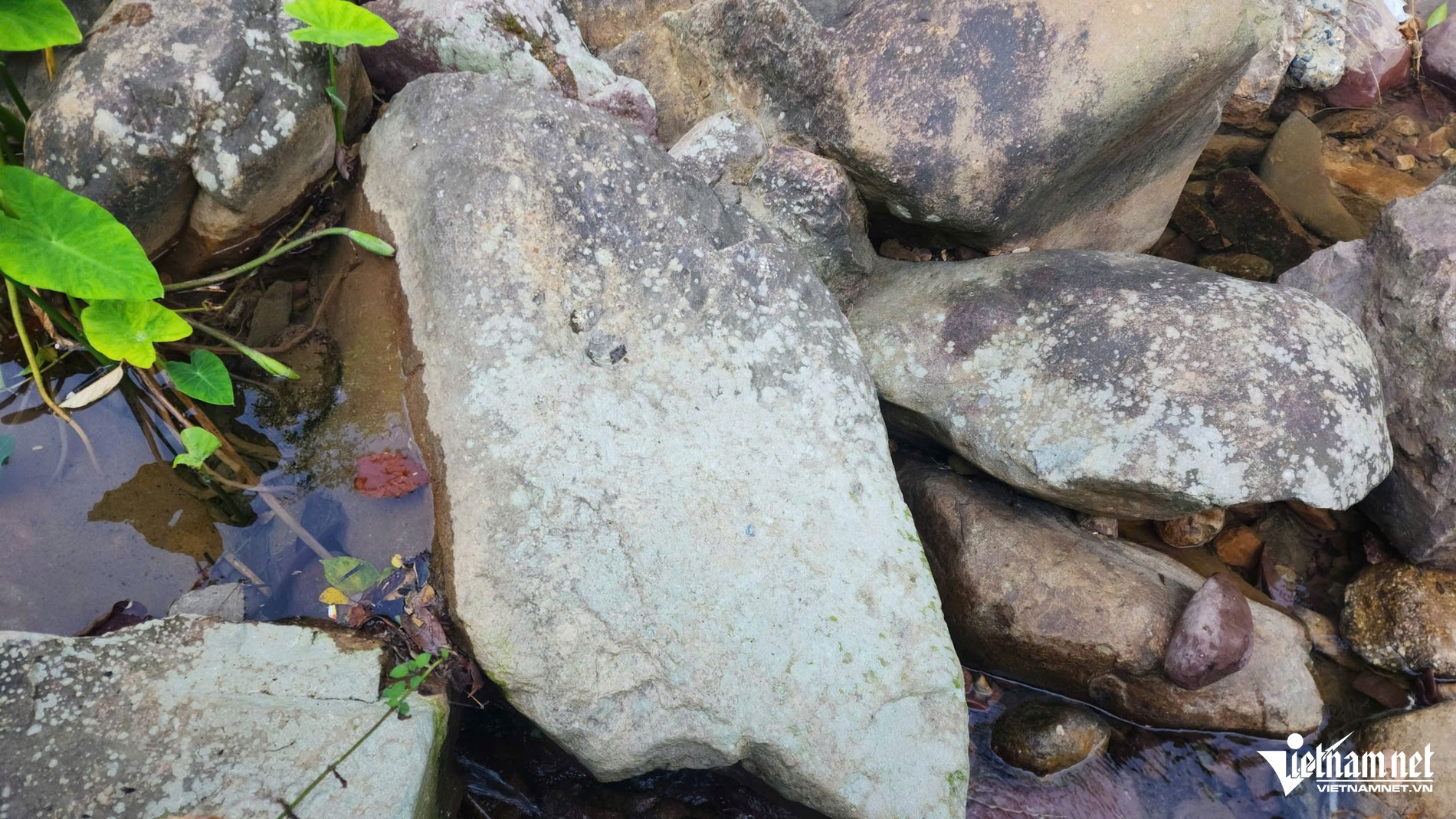
Two-colored rocks can be found throughout the Yen Tu mountains and in several other areas, but those along the Phu Am Tra stream have a distinctive characteristic: within the same rock, the brown section is rough to the touch, while the white section feels smooth and cool.
During a visit to Ngoa Van Meditation Village in An Sinh Ward, Quang Ninh province, with artists from the Vietnam Union of Literature and Arts Associations, Bui Huu Duoc, former head of the Buddhist Affairs Department under the Government Committee for Religious Affairs, shared with VietNamNet a story that has been passed down through generations.
It concerns Tran Nhan Tong, the 13th-century Vietnamese emperor who became a Buddhist monk, and a two-colored rock where, according to the story, he once stopped to admire the landscape and reflect on worldly and spiritual life.
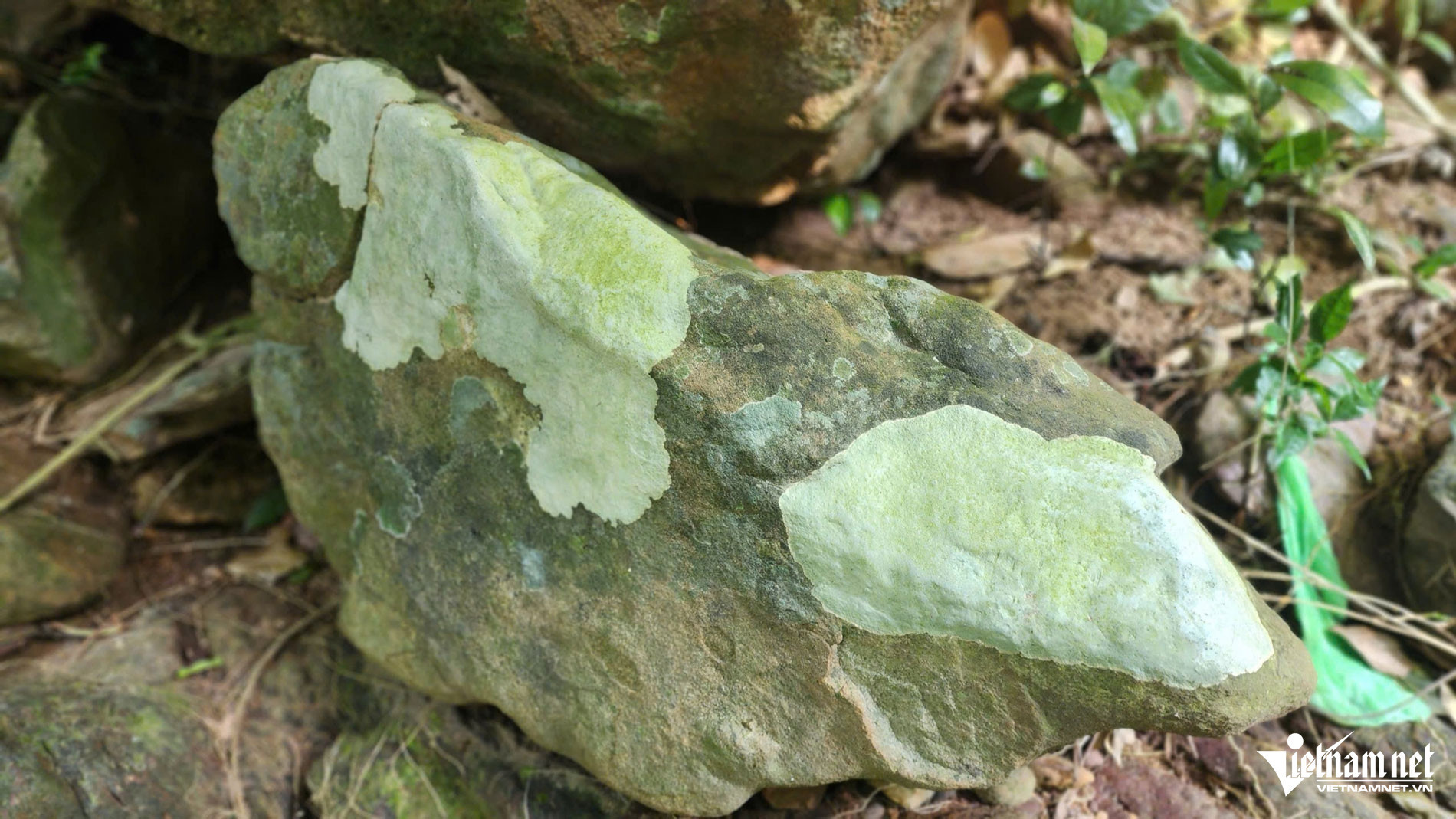
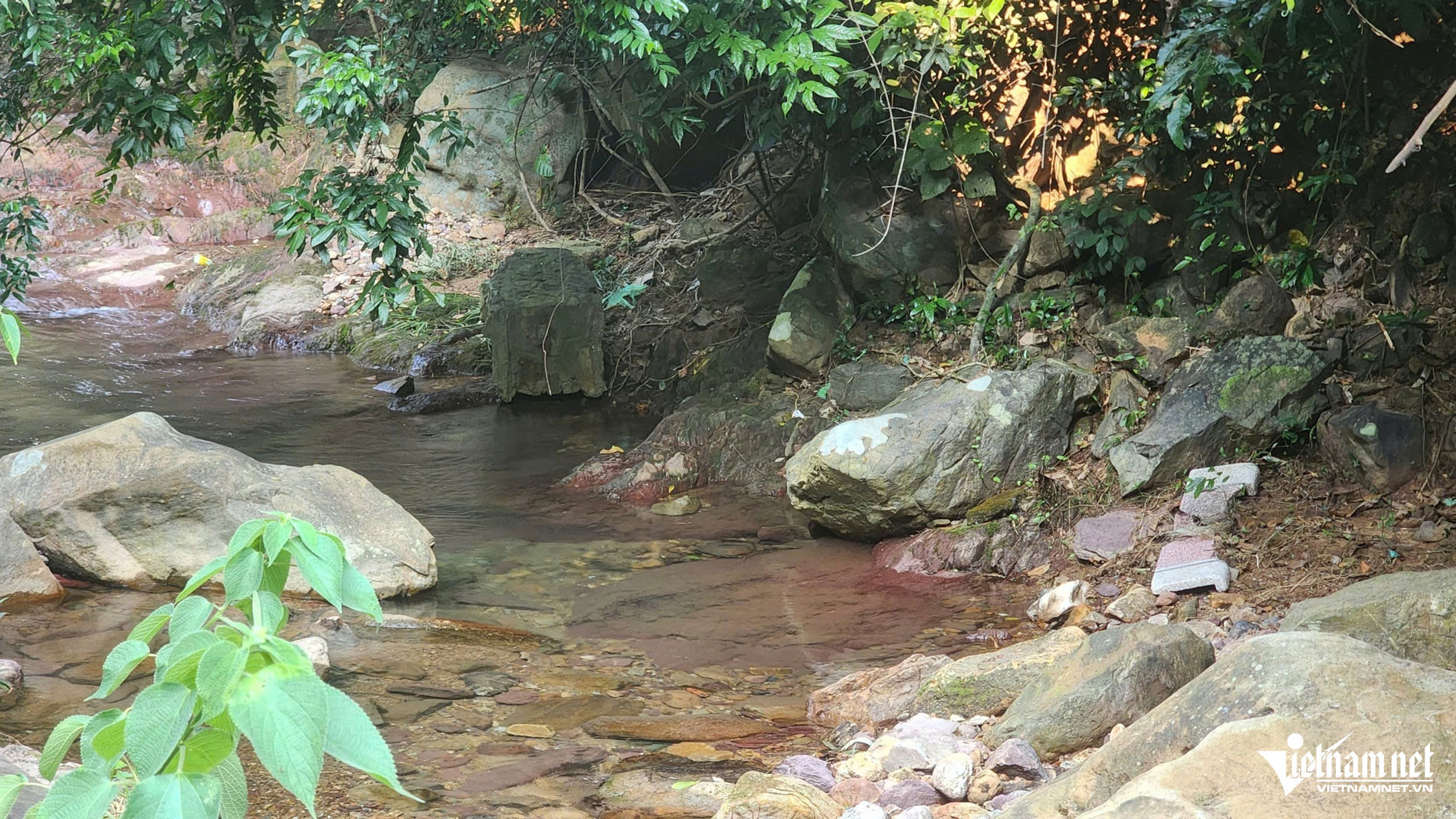
Along the stream leading toward Phu Am Tra and Ngoa Van Hermitage, many rocks display the unusual two-colored appearance.
Duoc said that during his visits to Ngoa Van in the Yen Tu mountains, local elders told him the story behind an image depicting Tran Nhan Tong washing his feet beside a stream - a scene carrying meanings that go beyond what can be seen in the picture itself.
“Along the stream on the route Tran Nhan Tong took to practice Buddhism at Ngoa Van Hermitage, the distance between the hermitage and the Tran Dynasty ancestral temple is about five kilometers,” Duoc said.
“Whenever he traveled between Ngoa Van and the temple, about halfway along the route he would encounter a clear stream surrounded by beautiful scenery. He often stopped there to rest, drink tea and enjoy the landscape, so a place called Phu Am Tra was established there. Although a place where a king stayed was called a phu, it was originally only a small hermitage.”
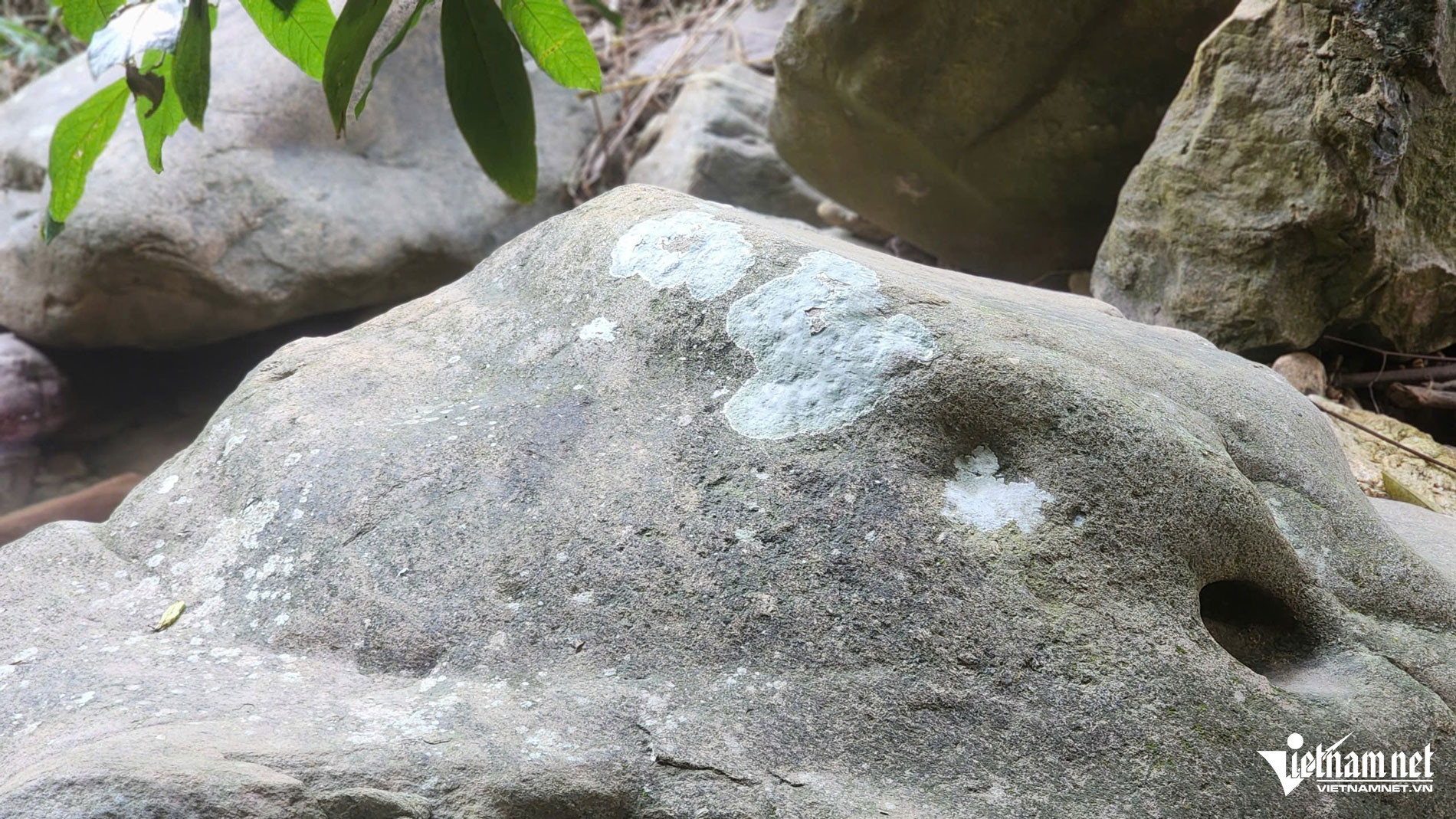
The rocks in the Phu Am Tra stream have a distinctive texture: on the same stone, the brown portion is rough while the white section is smooth and cool.
“Phu Am Tra is right beside the stream,” Duoc continued. “He chose a flat rock where he could sit, wash and soak his feet. Beside him was a rock combining brown and cloudy white. This type of two-colored rock is quite common in the Yen Tu mountains and can also be found elsewhere, but the rocks in the Phu Am Tra stream are unusual because the brown and white portions of the same stone have completely different textures.”
According to the story, Tran Nhan Tong looked at the rock and said: “White is the Way; brown is Life.”
He likened the two colors to the separation between spiritual practice and worldly existence.
Then, Duoc recounted, Tran Nhan Tong ran his hand across the rock and invoked the Buddhist idea of hoa quang dong tran - bringing spiritual wisdom into harmony with everyday life.
“The Way should blend into Life,” Duoc explained.
According to Duoc, Tran Nhan Tong appeared to be speaking about the two-colored rock, but his words were really directed toward people and the way they live.
The meaning, he said, is profound - and how deeply it resonates depends on each person.
A closer look at the two-colored stream
.svg)
