 Vietnamnet.vn

 Podcast



The surge came even as the global economy faced continued geopolitical tensions, trade disputes, retaliatory tariffs from the United States, and unpredictable supply chain disruptions. Logistics costs soared, input prices fluctuated, and market confidence waned, especially as the pace of international economic growth slowed.
Domestically, the country’s political apparatus underwent significant restructuring to improve efficiency, while the agricultural sector was battered by climate change, extreme weather, and successive storms and floods from the third quarter onward - creating widespread damage to rural communities and production systems.
In the face of these adversities, agriculture held strong as a pillar of economic stability, safeguarding millions of livelihoods across Vietnam.
Forestry, coffee and seafood lead the way
According to the Department of Forestry and Forest Protection under the Ministry of Agriculture and Environment, forestry exports reached between $18.3–18.5 billion, up 6.6% from 2024. The trade surplus hit an all-time high of $14.87 billion.
Vietnam maintained its position as the world’s fifth-largest exporter of timber and ranked second in high-value wood furniture exports, trailing only China.
Coffee exports also shattered records, raking in $8.68 billion - a staggering 54.4% increase from the previous year.
Nguyen Nam Hai, President of the Vietnam Coffee-Cocoa Association, noted that 2025’s success was not merely due to high prices. “It’s the result of years spent upgrading our quality standards. As Vietnamese coffee improved, it became the preferred choice for more and more global markets,” he said.
The sector is gradually shifting from raw exports to deeply processed coffee, reflecting the industry’s pivot to value-added production.
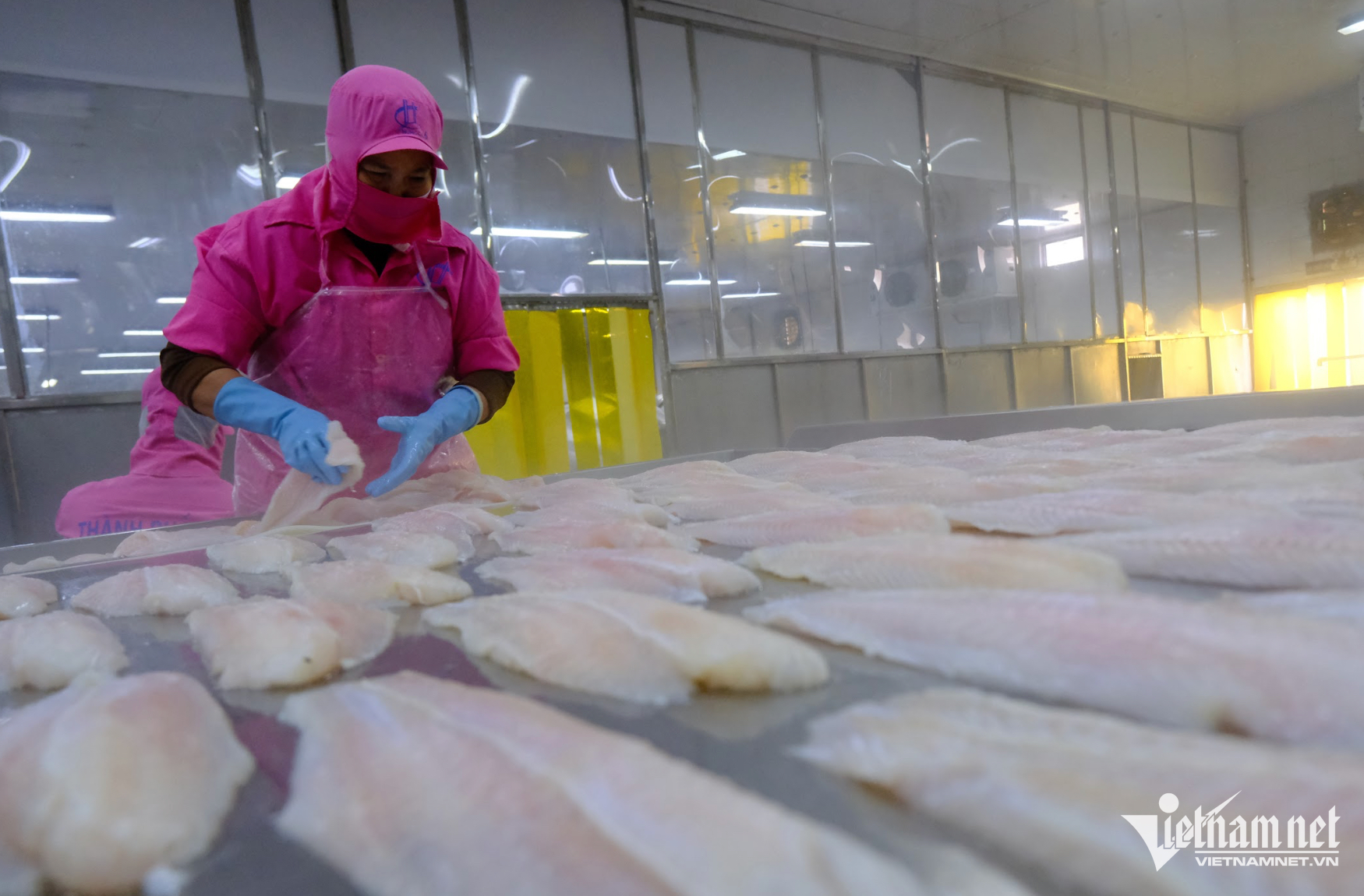
Seafood production and exports continued their robust recovery post-Covid-19, generating nearly $11.3 billion, up 12.5% year-on-year - the highest figure in the sector’s history since Vietnam entered the global seafood trade.
Durian rules the fruit export throne
Fruit and vegetable exports reached approximately $8.6 billion, a 20% increase over 2024. Of this, durian alone accounted for $4 billion, becoming Vietnam’s most valuable fruit export and dominating the produce category.
Cashew and pepper exports also hit new highs, reaching $5 billion and $1.6 billion, respectively.
These achievements reflect both the resilience and adaptability of Vietnamese agro-exports amid ongoing global volatility. Businesses leveraged post-pandemic opportunities not just to recover, but also to expand market share, accelerating the nation’s export momentum.
Processing, preservation, and sustainability take center stage
The Ministry of Agriculture and Environment reported a positive transformation in agricultural practices, with greater focus on processing by-products, improving storage capabilities, and investing in deep-processing systems.
Vietnam now has nearly 8,000 industrial-scale processing facilities linked to exports and about 22,000 smaller agricultural processing units. The total annual processing capacity is estimated at 120–130 million tons of raw material.
The share of high-value, processed products has climbed from 20% in 2020 to over 30% by 2025.
To sustain growth amid rising global standards and fierce competition, the Ministry outlined key strategic pillars for 2026.
These include institutional reform, upgrading technical standards, aligning with international food safety and traceability requirements, and boosting inspection and monitoring systems to ensure quality from the source.
Production is also being restructured toward green, circular economies and value chain models. Efforts are underway to expand certified raw material regions and implement flagship programs like the one million hectares of high-quality, low-emission rice, sustainable aquaculture, and certified forestry. These initiatives aim to improve product quality, environmental compliance, and supply chain transparency.
Expanding markets and digital transformation
In addition to consolidating traditional export markets, the Ministry is proactively exploring new potential markets, leveraging free trade agreements to remove technical barriers, and handling trade defense issues to safeguard Vietnamese producers.
The sector is also investing in digital transformation, modern logistics, and post-harvest technology. Scientific and technological innovations are being deployed across the entire value chain to reduce production costs and enhance export value.
Ha Giang
.svg)
