 Vietnamnet.vn

 Podcast



Despite the challenges, Vietnam shows notable signs of progress. A report from the Worldwide Independent Network of Market Research (WIN) ranks Vietnam 6th out of 40 countries in terms of readiness for the AI era. The domestic AI ecosystem is rapidly gaining traction, attracting USD 80 million in investment in 2024, supported by a workforce of 500,000 tech professionals and a high adoption rate - 42% of the population and 65% of small and medium enterprises (SMEs) have used AI.
The government has set a target for Vietnam to become one of the top three countries in Southeast Asia and among the top 50 worldwide in AI research by 2030. Local tech enterprises are stepping up investments, affirming the perspective that "AI infrastructure sovereignty is not just a corporate responsibility."
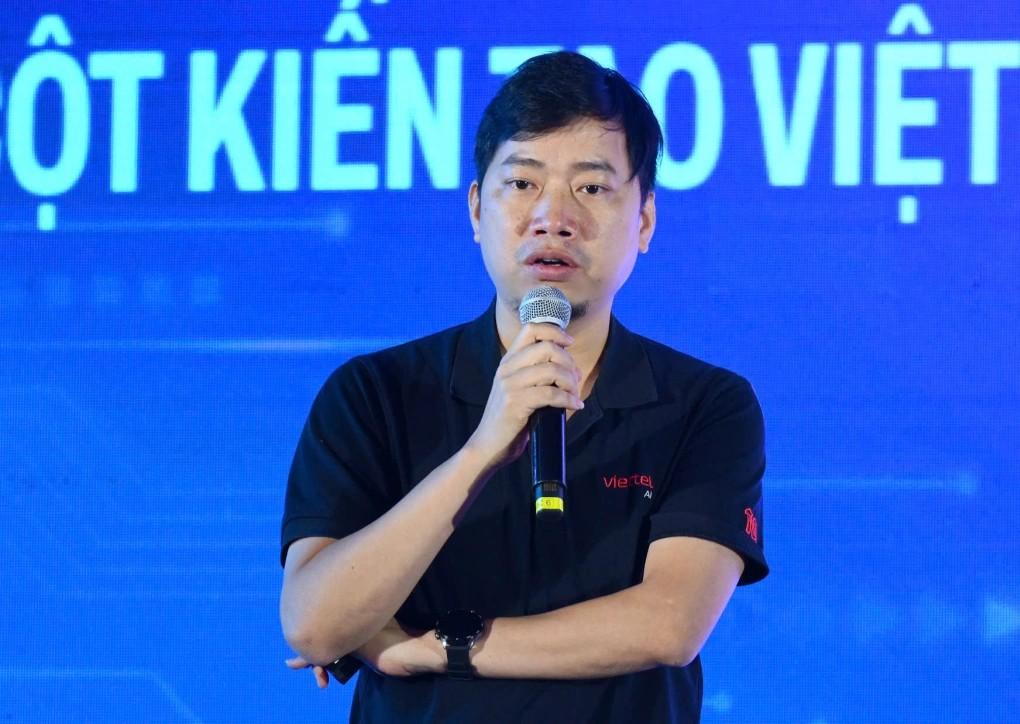
Viettel, for example, currently operates 15 data centers and has invested in cutting-edge GPU systems such as Nvidia DGX SuperPOD. The company is also developing a “Make in Vietnam” ecosystem of AI products serving tens of millions of users.
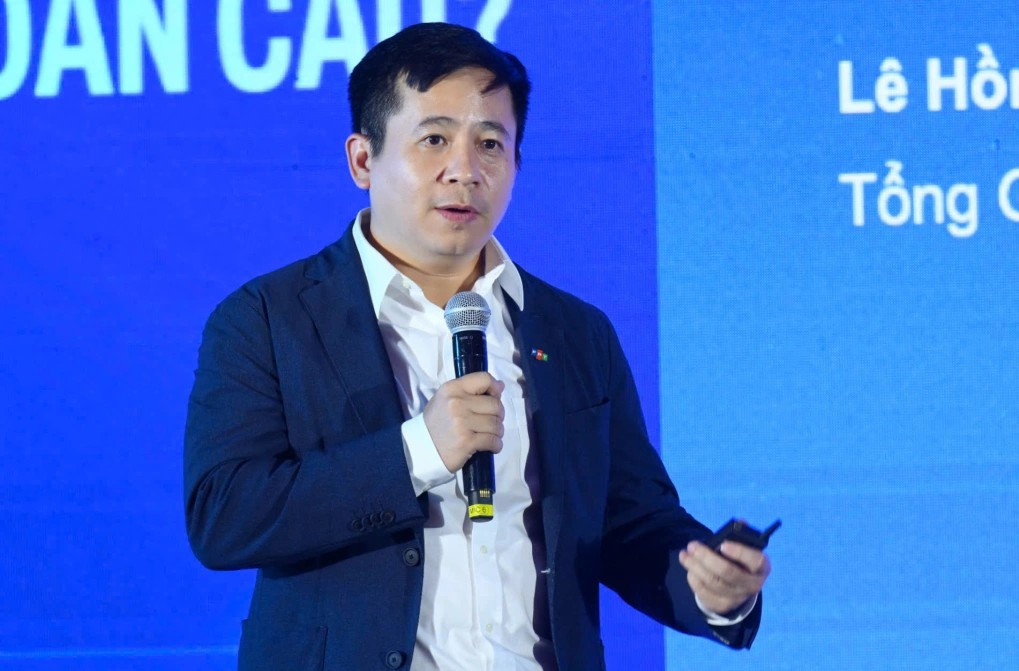
Vietnamese businesses are also proactively adopting AI Agents to transform operations. According to FPT Smart Cloud, more than 1,500 AI Agents have been deployed, automating 46% of customer service center workloads, boosting telesales revenue by 20%, and processing over 400 million documents annually with accuracy exceeding 95%.
Le Hong Viet emphasized that Vietnam needs a strategy to “build AI with sovereignty,” aiming not only to catch up but also to lead within ASEAN. His proposed 2025–2030 roadmap includes three phases: foundation building, expansion, and regional leadership, focusing on four key pillars - human capital, digital infrastructure, product innovation, and ecosystem development.
Experts agreed that while infrastructure limitations are a major challenge, they also serve as motivation for Vietnam to find its own path. With competitive costs, a large pool of young tech talent, and strong government backing, a well-executed investment strategy could help Vietnam narrow the gap with global powers and emerge as a rising AI hub in the region.
Du Lam
.svg)
