 Vietnamnet.vn

 Podcast


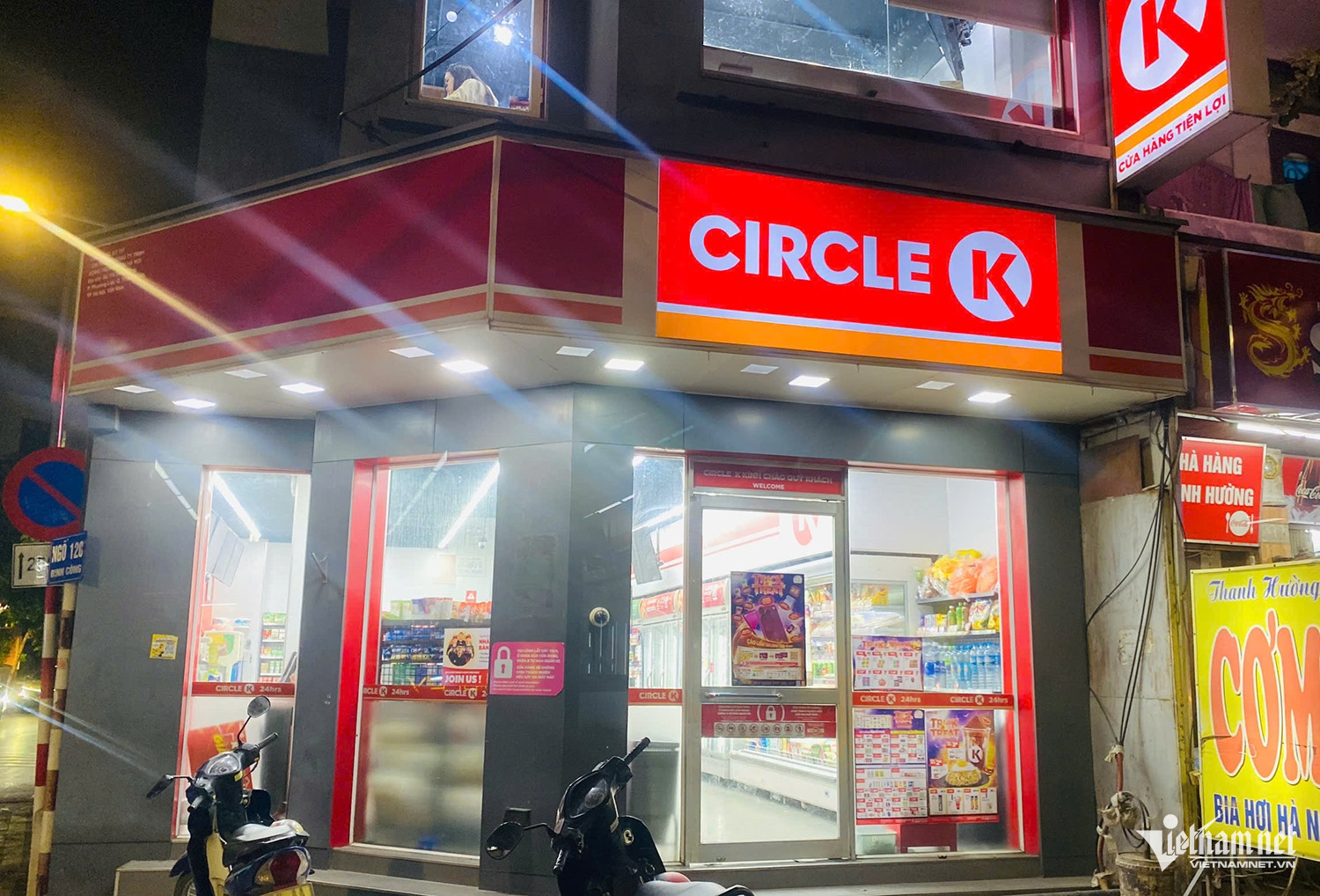
At 2am, when most shops and restaurants have closed, convenience stores such as Circle K, GS25 and 7-Eleven remain brightly lit. Inside, there may be only a handful of customers buying essentials or spending time in the seating areas.
Unlike traditional neighborhood grocery shops, convenience store chains offer air-conditioned spaces, Wi-Fi, seating and services throughout the night.
Late-night visitors may stop in for food, drivers may take a break for a drink, while students use the space to study or wait for appointments.
These features have helped convenience stores attract customers in Vietnam's major cities. However, operating around the clock also raises questions about revenue and operating costs.
Vietnam's convenience store market has room to grow
Vietnam's convenience store market remains relatively small compared with Thailand's.
According to Thanachart Securities, Thailand had 21,652 convenience stores in the modern retail sector in 2024. The country's 7-Eleven network alone reached 15,945 outlets by the end of 2025.
In Vietnam, five major chains - Circle K, GS25, Ministop, FamilyMart and 7-Eleven - operated approximately 1,455 stores combined, according to NielsenIQ data for 2025.
Circle K led with 507 stores, followed by GS25 with 453, Ministop with 177, FamilyMart with 172 and 7-Eleven with 146.
These international brands have accumulated extensive operating experience across different markets, from product category management and supply chain organization to the development of ready-to-eat meals.
Circle K and GS25 have established the largest networks, together accounting for approximately 66% of the five chains' total outlets.
Ministop, FamilyMart and 7-Eleven have concentrated their stores in Ho Chi Minh City and southern Vietnam, taking a more cautious approach to expansion.
Operating in Vietnam since 2008, Circle K has built its image around round-the-clock service and younger consumers.
GS25 has capitalized on the appeal of Korean-style products, while 7-Eleven, FamilyMart and Ministop bring experience in convenience food development and standardized chain management.
The market has recently welcomed a notable domestic competitor.
WinCommerce, the operator of WinMart and WinMart+, launched its WiN ON brand in the 24/7 convenience store segment, opening its first six outlets in Hanoi and Ho Chi Minh City on October 22.
The move signals growing interest among Vietnamese retailers in serving customers seeking quick purchases and shopping options outside conventional business hours.
The race for 24/7 retail
Retail consultant Linh Pham believes Vietnam's convenience store sector still offers considerable growth opportunities.
Urbanization, an expanding middle class and increasingly busy lifestyles could drive demand for quick shopping trips, ready-to-eat meals and services outside regular business hours.
The market is therefore entering a new phase of competition.
Foreign brands benefit from established operating experience and strong brand recognition, while domestic companies have advantages in sourcing, distribution networks and their understanding of Vietnamese consumer preferences.
According to Pham, operating stores around the clock can help retailers generate additional revenue from premises and infrastructure they have already invested in.
Rent is typically paid monthly, while refrigerators, freezers and air-conditioning systems must continue operating to preserve merchandise.
Keeping stores open overnight can therefore help businesses make better use of these fixed costs.
However, 24/7 operations do not automatically translate into greater profitability.
Retailers must assess whether additional overnight revenue is sufficient to cover higher staffing, electricity, security and other operating expenses.
Convenience stores also compete on more than their product offerings.
For many young consumers, they provide places to study, meet friends or spend time while waiting for appointments.
Air-conditioning, Wi-Fi and seating areas have turned these outlets into convenient stopping points, even for visitors who are not primarily interested in shopping.
William Gramond, Director of Commercial Leasing at Savills Hanoi, said the number of stores should not be the sole objective when expanding a retail network.
Before determining store size and business models, brands need to understand purchasing power, customer traffic and consumer behavior in each location.
Every outlet should serve a clearly defined role within the broader network, rather than applying the same operating model everywhere.
Ultimately, the competition will not be decided simply by which chain operates the most stores or keeps its lights on the longest.
Success will depend on attracting repeat customers and generating sustainable profits after accounting for the full costs of running each outlet.
Duy Anh

