 Vietnamnet.vn

 Podcast



Vietnam's direct power purchase agreement (DPPA) mechanism is beginning to move from policy to implementation, as renewable energy developers and major electricity consumers expand participation through large-scale investment projects.
One of the latest examples is the Dau Tieng 5 Solar Power Plant, developed by DT5.1 Energy JSC, a subsidiary of Xuan Cau Holdings. Construction officially began on Aug. 4 in Tay Ninh Province.
The project will occupy approximately 645 hectares in the semi-flooded area surrounding Dau Tieng Reservoir and represents an investment of around VND7.774 trillion (US$296 million).
Commercial operations are expected to begin in December 2027.
Large-scale renewable investment
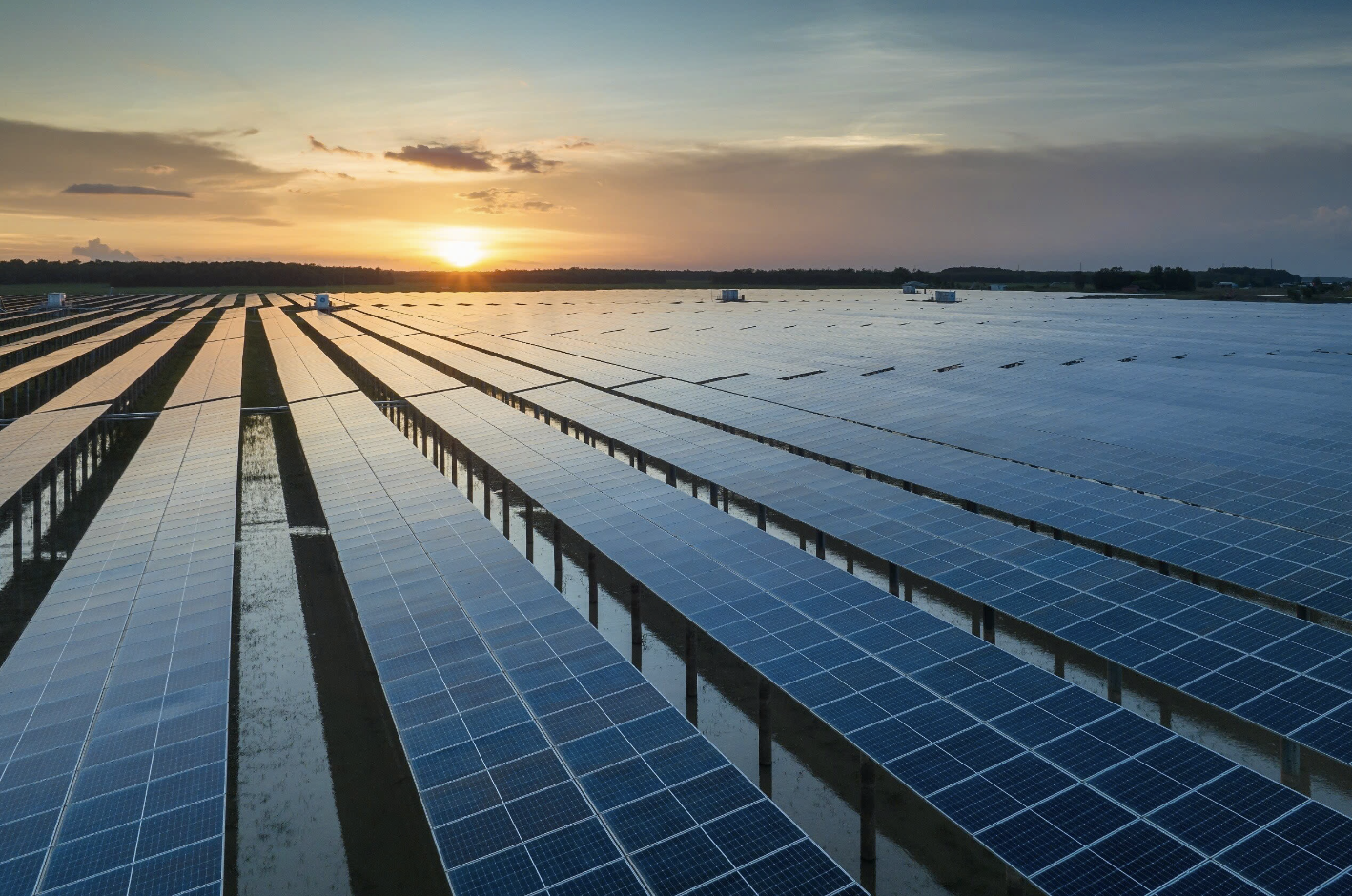
Once operational, the plant is expected to generate about 808 GWh of clean electricity annually, helping supplement Vietnam's national power grid.
The project includes photovoltaic panels, inverters, a battery energy storage system (BESS), and grid connection infrastructure, including a 220kV substation and transmission lines. The integrated design is intended to maximize power output while improving grid stability and operational reliability.
According to Xuan Cau Holdings, the project is among the first to be developed under Vietnam's DPPA mechanism, marking an important milestone in bringing the policy into practical operation.
The company said signing a DPPA with a large foreign-invested manufacturer demonstrates the competitiveness of renewable energy developers through commitments on project delivery, quality, efficiency and operational safety.
Earlier this year, Samsung Electronics Vietnam Thai Nguyen and the TTC Duc Hue 2 Solar Power Plant began operating under the DPPA mechanism via the national electricity grid.
Under the agreement, Samsung's manufacturing complex is expected to receive approximately 70 GWh of renewable electricity annually, equivalent to the electricity consumption of around 17,000 households.
Policy moves from framework to implementation
More than a year after Decree No. 57/2025/ND-CP, which established Vietnam's direct power purchase framework, took effect, increasing numbers of businesses have begun implementing projects under the new mechanism.
The Ministry of Industry and Trade has described the progress as an encouraging step toward developing a competitive wholesale electricity market and, eventually, a competitive retail electricity market.
For projects using dedicated grid connections, dozens of companies have already reported active implementation since the decree came into force.
Expanded eligibility under new rules
The government has also issued Decree No. 243/2026/ND-CP, amending regulations governing both the DPPA mechanism and renewable energy development.
The revised rules significantly broaden eligibility to participate.
In addition to large industrial electricity consumers, the DPPA mechanism now covers data centers and businesses operating electric vehicle charging stations and battery-swapping facilities.
Renewable energy developers installing rooftop solar systems specifically to supply electricity directly to large customers will no longer be required to complete procedures for registering new rooftop solar generation projects.
The new decree also allows electricity retailers operating within industrial parks and industrial clusters to participate directly in the DPPA market.
These retailers may sign power purchase agreements directly with renewable energy producers before supplying electricity to customers within their service areas. They may also invest in renewable energy projects themselves and sell electricity directly to eligible large consumers.
One of the most significant changes allows electricity prices under privately connected DPPAs to be freely negotiated between buyers and sellers, removing the previous ceiling based on the price framework issued by the Ministry of Industry and Trade.
Green electricity seen as a competitive advantage
According to Nguyen Huy Hoach, a member of the Scientific Council of Vietnam Energy Magazine, the importance of the DPPA mechanism extends well beyond foreign-invested enterprises.
Domestic manufacturers in sectors such as electronics, engineering, textiles, footwear, food processing and construction materials increasingly face international customers demanding lower carbon emissions across supply chains.
As a result, access to renewable electricity is becoming an important competitive advantage for maintaining export orders and expanding into overseas markets.
At the national level, the mechanism is also expected to strengthen Vietnam's attractiveness as an investment destination.
As regional economies compete for high-value foreign direct investment in industries such as semiconductors, electronics manufacturing and data centers, the availability of reliable renewable electricity and flexible purchasing arrangements could become an increasingly important differentiator.
However, Nguyen Huy Hoach emphasized that the benefits of the DPPA framework will depend heavily on implementation.
If businesses continue to face lengthy procedures for project approval, grid connection and contract negotiations, much of the policy's intended value could be diminished.
He argued that, after completing the legal framework, Vietnam's next priority should be improving implementation efficiency through transparent regulations and lower transaction costs.
Only then, he said, can the DPPA mechanism become a meaningful driver of the country's energy transition while strengthening the long-term competitiveness of Vietnamese businesses.
Tam An
.svg)
