 Vietnamnet.vn

 Podcast



With a young population, over 70% internet penetration, and widespread smartphone use, Vietnam is considered a fertile market for food delivery services. The COVID-19 pandemic further accelerated digital transformation in the food and beverage (F&B) industry. Thousands of restaurants were forced to join delivery platforms to stay afloat, which, in turn, cultivated a new habit of online food ordering among consumers.
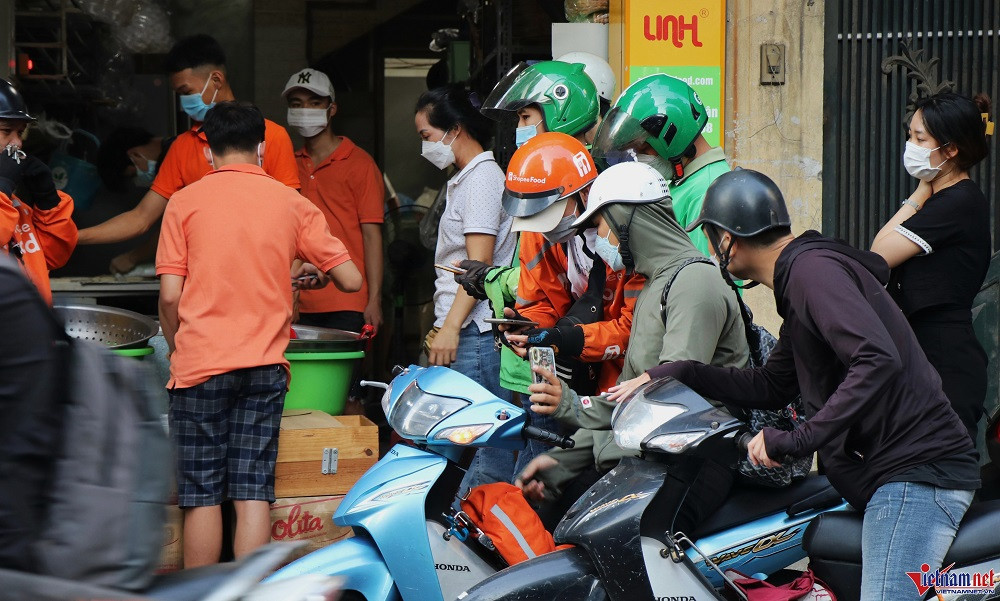
According to Momentum Works, Vietnam’s food delivery revenue reached approximately USD 1.8 billion in 2024, up 26% from the previous year. Projections suggest this figure could soar to USD 9 billion by 2030.
Following Gojek’s sudden exit from Vietnam in September 2024, three major platforms remain: ShopeeFood, GrabFood, and BeFood. However, ShopeeFood and GrabFood dominate with over 90% combined market share, based on an April 2025 survey by NielsenIQ and Decision Lab.
ShopeeFood leads the market with about 56% market share in Hanoi. In 2024, one in two food delivery users habitually chose ShopeeFood.
Originally known as NowFood, the platform was acquired by Shopee. It is well-known for its attractive pricing and benefits significantly from Shopee’s brand recognition and its broader e-commerce ecosystem.
Backed by Shopee’s substantial financial resources, ShopeeFood continuously launches major discount campaigns and free shipping, particularly during mega-sale events such as 9/9 and 10/10. Users can pay with Shopee Xu and ShopeePay, reinforcing customer loyalty within the ecosystem.
Meanwhile, GrabFood has retained a stable and loyal user base. Unlike its competitors, GrabFood emphasizes a premium experience with a sleek interface and multiple delivery options such as priority, express, and economy.
In major cities like Hanoi and Ho Chi Minh City, GrabFood’s priority deliveries are notably fast and accurate. However, its high delivery fees remain a drawback.
BeFood, a latecomer to the market, has attracted attention with its user-friendly interface and engaging social media campaigns. The platform’s recognizable “yellow shirt” branding has helped establish trust through smooth and easy-to-use app experiences.
The competition now extends beyond pricing. ShopeeFood leverages Shopee’s data to personalize recommendations, while GrabFood invests in AI to optimize delivery routes.
A tough slice of the pie
Despite its high potential, the food delivery market in Vietnam faces major challenges. Baemin officially exited Vietnam in December 2023 after nearly four years. Though popular among younger consumers for its witty marketing, Baemin couldn't keep up with its competitors.
The lack of a diversified ecosystem was a fatal flaw. While Grab and Gojek offer a broad suite of services including ride-hailing and e-wallets, Baemin focused solely on food delivery. This narrow focus meant it lacked alternative revenue streams to offset losses in food delivery.
Additionally, Baemin had far fewer restaurant and driver partners than GrabFood and ShopeeFood, giving users limited options. Its continuous cash burn strategy failed to generate sustainable market share.
Gojek faced similar issues before its exit. Reports indicated that GoFood’s market share fell as low as 1-3%, unable to compete in pricing or network scale against GrabFood and ShopeeFood.
Local players eye opportunity
The withdrawal of foreign unicorns opens the door for local platforms like Be and Xanh SM. With backing from VPBankS, Be is better equipped to compete with Grab and ShopeeFood. Its funding will go toward expanding market presence, enhancing technology, and most importantly, launching aggressive promotional campaigns to attract users and retain drivers.
Meanwhile, new entrant Xanh SM, owned by Vingroup, has made waves in the ride-hailing sector. Its foray into food delivery (Xanh SM Ngon) is still new but marked by distinct moves that set it apart.
However, experts warn that competing with major players requires massive capital and long-term strategy. Vietnamese platforms must be prepared to burn cash in the early stages to gain users and partners, potentially at the cost of short-term profitability.
The race for market share is far from over. Victory will go to platforms that combine affordable prices with superior service, a resilient ecosystem, and a deep understanding of both users and partners. For now, Vietnamese consumers are the biggest winners.
Duy Anh
.svg)
