 Vietnamnet.vn

 Podcast



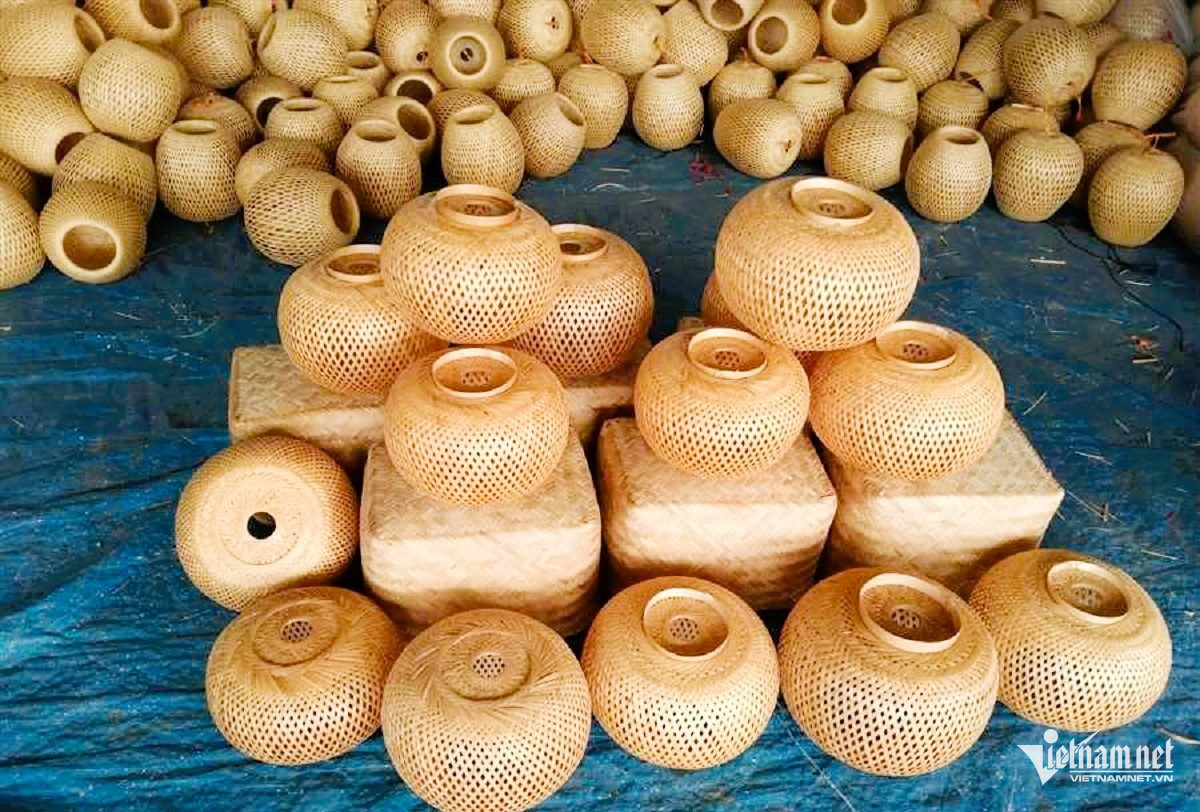
According to data from the General Department of Customs, by the end of August 2025, Vietnam’s export turnover for rattan, bamboo, seagrass, and mat-based products reached $574 million, marking a modest 5.4% increase compared to the same period last year.
The primary export markets continue to be the United States, Japan, Europe, and India. Among them, the US remains Vietnam’s largest buyer of these handmade items, importing $266 million worth of goods, which accounts for 46.3% of total export turnover for the product group during the eight-month period.
Japan ranks second with $37.7 million in imports, followed by the United Kingdom ($28.5 million), Spain ($27.6 million), and India ($21.57 million).
Last year, exports of this product group reached a total value of $804 million.
According to the Department of Forestry and Forest Protection (Ministry of Agriculture and Environment), Vietnam's rattan and bamboo weaving products represent the highest export value among non-timber forest products. Alongside China, Vietnam is one of the world’s top five exporters of rattan and bamboo products.
These handcrafted items are becoming increasingly popular worldwide, especially in the home interior and decor sectors. The rising global interest in sustainable, eco-friendly lifestyles is creating opportunities for Vietnamese craft villages and businesses.
The Vietnam Handicraft Exporters Association reported that over the past five years, more customers from the US, Europe, and Japan have visited Vietnamese production workshops, leading to growing numbers of orders.
One of the key reasons behind this popularity is the aesthetic appeal, high quality, and competitive pricing of Vietnamese rattan, bamboo, seagrass, and mat products compared to similar handcrafted goods from Indonesia, Thailand, and Malaysia.
In Europe, particularly, consumer preferences are shifting toward unique, eco-friendly, culturally distinctive products. Millennials (Gen Y), who make up 45% of the market, and over 70% of urban consumers are prioritizing handcrafted items.
The Vietnam Handicraft Exporters Association forecasts that Vietnam's rattan and bamboo industry could capture 10-15% of the global market share, with export turnover growing by an average of 29.5% annually.
As the global bamboo market is projected to reach nearly $83 billion by 2028, Vietnam's rattan and bamboo sector could potentially generate billions of dollars in export revenue.
Tam An
.svg)
