 Vietnamnet.vn

 Podcast



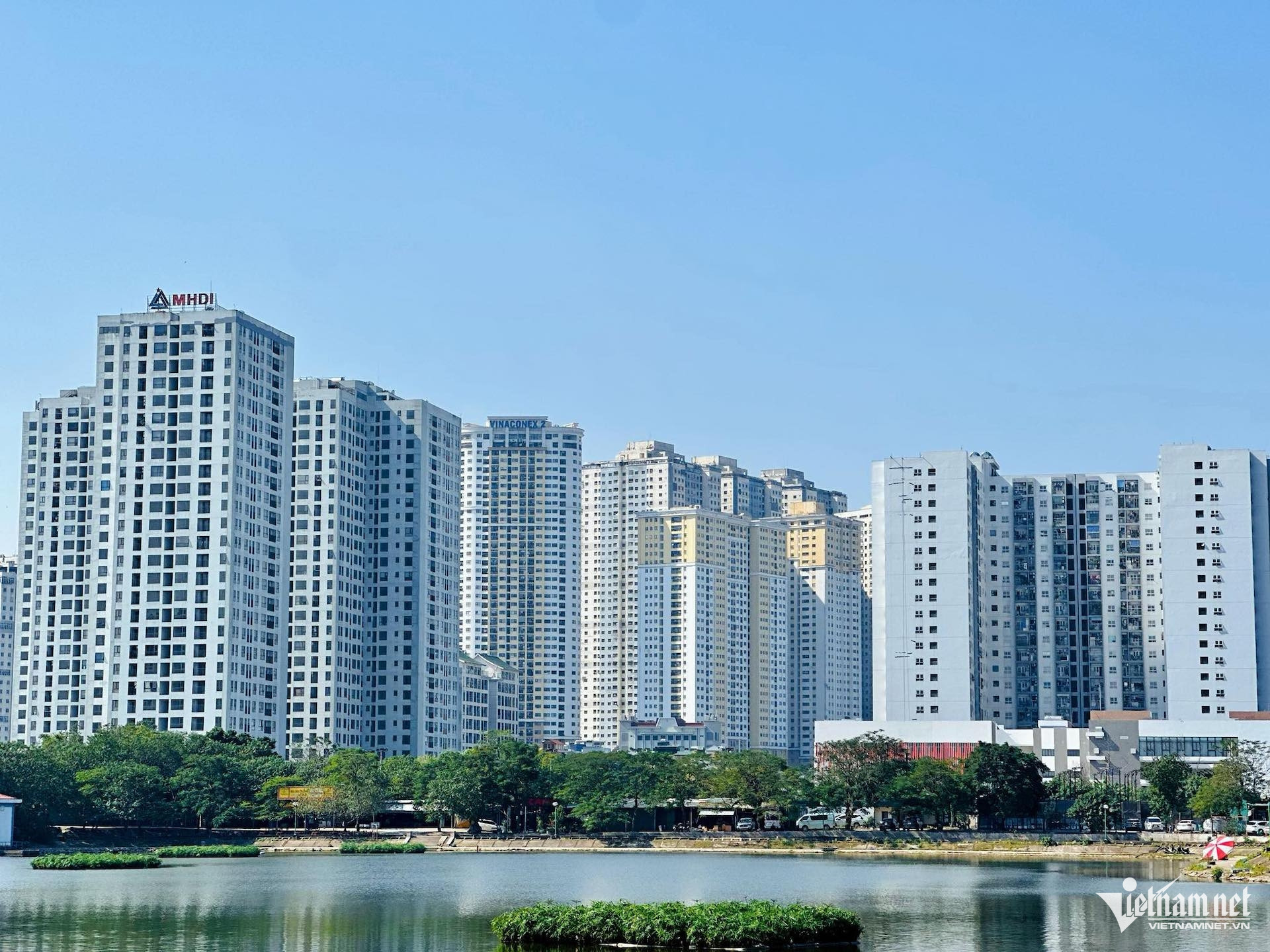
According to the Vietnam Association of Realtors (VARS), as property prices continue to outpace average income and capital costs rise, the market is narrowing its participant base. Investors relying on high financial leverage and short-term strategies are increasingly being pushed out of the game.
Risks rise for short-term flipping and overleveraged investments
VARS data shows that in 2025, around 128,000 new real estate units were launched nationwide - marking the highest level since 2019 and nearing a supply peak.
However, the surge in new supply does not equate to a fully revitalized market. Product structures remain unbalanced, with a persistent shortage of affordable housing. Most of the new supply consists of high-end condominiums and premium low-rise units.
Remarkably, approximately 25% of new apartments were priced over USD 4,100 per square meter, concentrated in projects by major developers.
Despite this growth in supply, property prices continue to set new benchmarks. As more projects enter the market, real competition is taking shape, according to VARS.
Price levels remain elevated, but liquidity is no longer evenly spread across all areas and segments. Increasing divergence is emerging - between projects, developers, and buyer groups.
“In major cities, real estate prices have risen far beyond the average income. Meanwhile, borrowing costs and capital expenses continue to pressure the market. Buyers now require strong financial foundations and long-term saving capacity. Investors can no longer expect quick profits as they did in previous cycles,” VARS analysts noted.
They also warned that speculative tactics based on unverified information, herd mentality, or short-term hype are becoming increasingly risky - especially as the market grows more transparent, with individual property IDs gradually being introduced.
Investors are being forced to adopt more selective thinking, prioritizing real value, utility, cash flow, liquidity, and risk management. Those dependent on high leverage without clear strategies will gradually be eliminated from the market.
Developers are also feeling the heat. With mounting land, development, and financing costs, those lacking financial strength - or who misread demand with ill-suited products - face growing exposure to market risks.
End-user demand remains, but with sharper scrutiny
Speaking to VietNamNet, Nguyen Vu Cao, Chairman of Khang Land Group, noted that even with higher capital costs, transactions are still taking place in select segments.
He said real demand is now mainly driven by three groups: end-users with significant savings; high-income buyers less reliant on bank loans; and investors with steady cash flows from rental income who can manage their finances independently.
“This shows that real housing demand remains and is sustainable in 2026, but it’s no longer impulsive. Buyers are becoming more rational, only willing to commit to properties that are reasonably priced, practical, and aligned with their financial capabilities,” Cao emphasized.
Looking ahead, VARS said that despite positive signals, the real estate market still faces challenges that need to be addressed for a durable recovery - starting with stronger regulatory support.
One major bottleneck is the land pricing framework. New official land price tables have raised costs, while many provinces have yet to adjust related coefficients accordingly, making project implementation - especially in emerging areas - more difficult.
Additionally, site clearance remains problematic due to a lack of decisive action. Unified guidelines are needed to accelerate progress.
Another critical pressure point, according to VARS, is interest rates. After a period of relative calm, rates have shown signs of rising again, impacting both developers and homebuyers.
VARS urged that credit controls for real estate should be applied selectively and with caution - minimizing systemic risks without triggering shockwaves that disrupt capital flows or market stability.
Hong Khanh
.svg)
