 Vietnamnet.vn

 Podcast


According to Phong, local officials held several rounds of public consultations before introducing the policy.
The ward also organized a meeting attended by around 100 people, including elderly residents, respected community figures and representatives of local family clans, to explain the proposed changes and build public consensus.
Phong said participants broadly supported the campaign to encourage cremation and end new burials and tomb construction within the ward.
Explaining the decision, he noted that Thuan An is not designated as a centralized cemetery area under Hue's urban development plans.
Closing the existing burial grounds is intended to gradually reorganize land use, freeing up space for local families, particularly younger generations, to build homes.
The move is also expected to create room for infrastructure, services, cultural facilities and coastal tourism development.
Authorities hope the resulting land availability will help attract tourism investment in line with the city's broader development strategy.
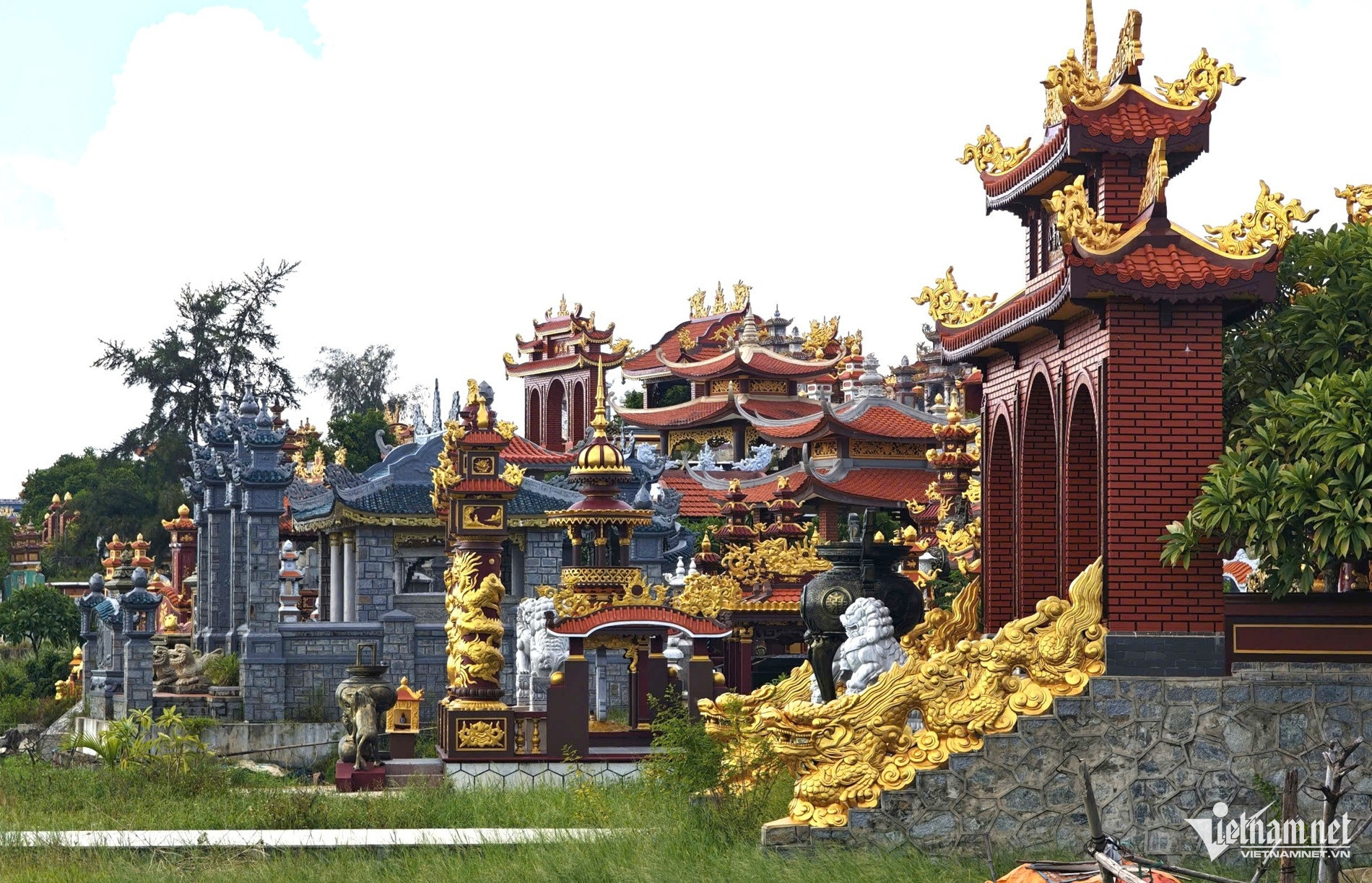
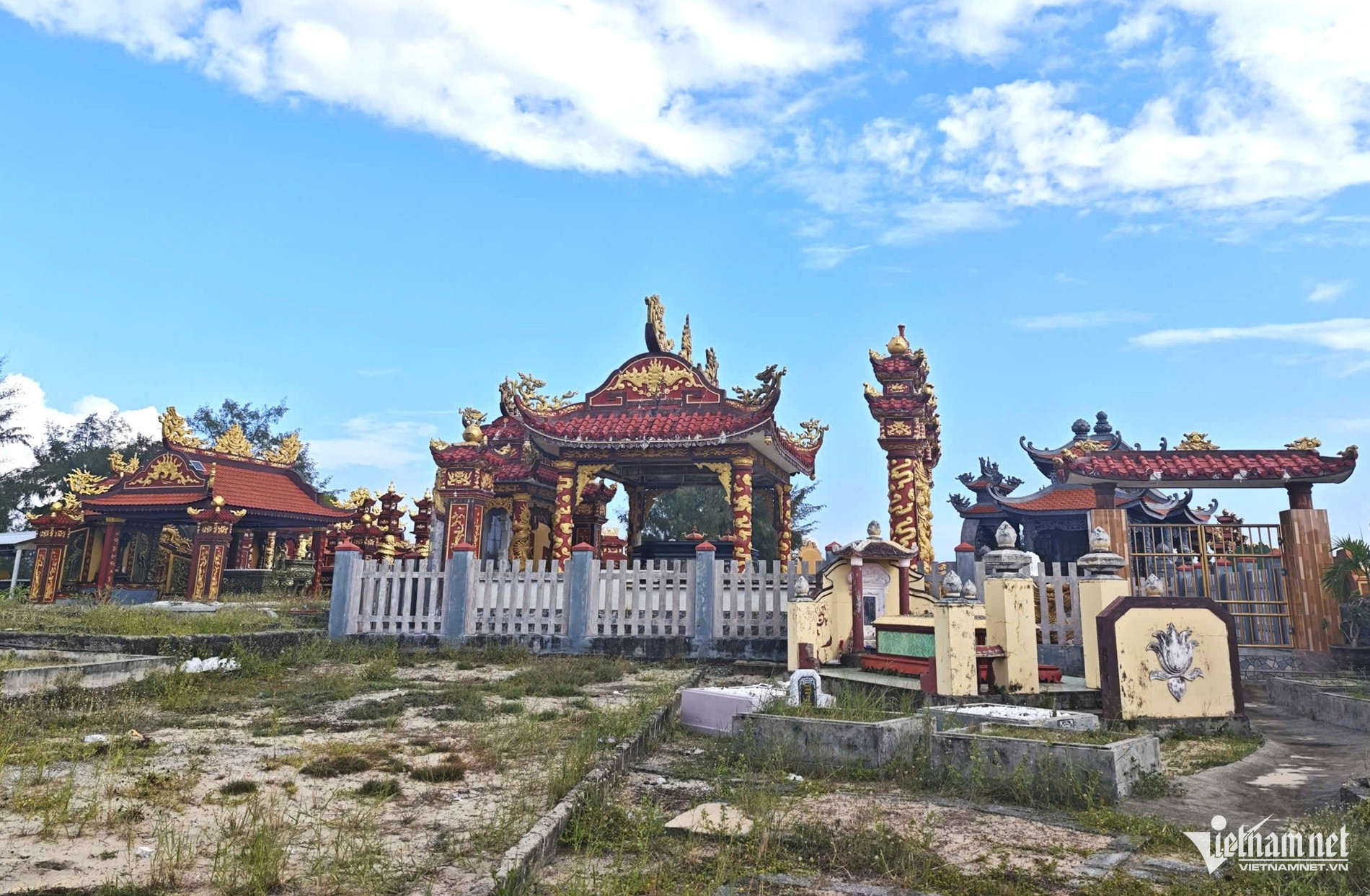
Thuan An is known for its imposing and intricately designed family tombs, many featuring multi-tiered tiled roofs and elaborate dragon motifs.
Phong said tomb construction in the area had previously developed without coordinated planning. Some burial sites were built close to homes or scattered among residential neighborhoods, complicating urban planning and the organization of residential spaces.
For tombs located within residential areas, the ward will develop a phased relocation plan and work with families to encourage their transfer to more suitable locations.
The reorganization and planning of existing cemeteries will also be carefully considered to ensure consistency with the locality's long-term development direction.
Ho Giap

