 Vietnamnet.vn

 Podcast



Throughout the thousand-year journey of Vietnam’s medical heritage, generations of eminent physicians have made extraordinary contributions to the health and well-being of the nation.
Tue Tinh - the founding father of Vietnamese traditional medicine
Tue Tinh (1330-?), born Nguyen Ba Tinh, is revered as the “Saint of Southern Medicine” and the founding father of Vietnam’s traditional medicine.
Orphaned at the age of six, he was raised by monks at Hai Trieu and Giao Thuy pagodas. At 22, he passed the highest imperial examination under the reign of Tran Du Tong but chose not to enter official service. Instead, he became a monk under the Dharma name Tue Tinh and devoted himself to studying and practicing medicine to heal the people.
At 55, in 1385, he was sent to the Ming court in China as tribute. There, he continued researching and treating patients and was conferred the title “Great Zen Master and Physician” by the Ming emperor.
His greatest legacy lies in two classical works, Nam duoc than hieu and Hong nghia giac tu y thu, among the oldest surviving medical texts of Vietnam. He famously championed the philosophy “Southern medicine for Southern people,” laying the foundation for a distinct national medical identity.
Hai Thuong Lan Ong Le Huu Trac - the great master of medicine
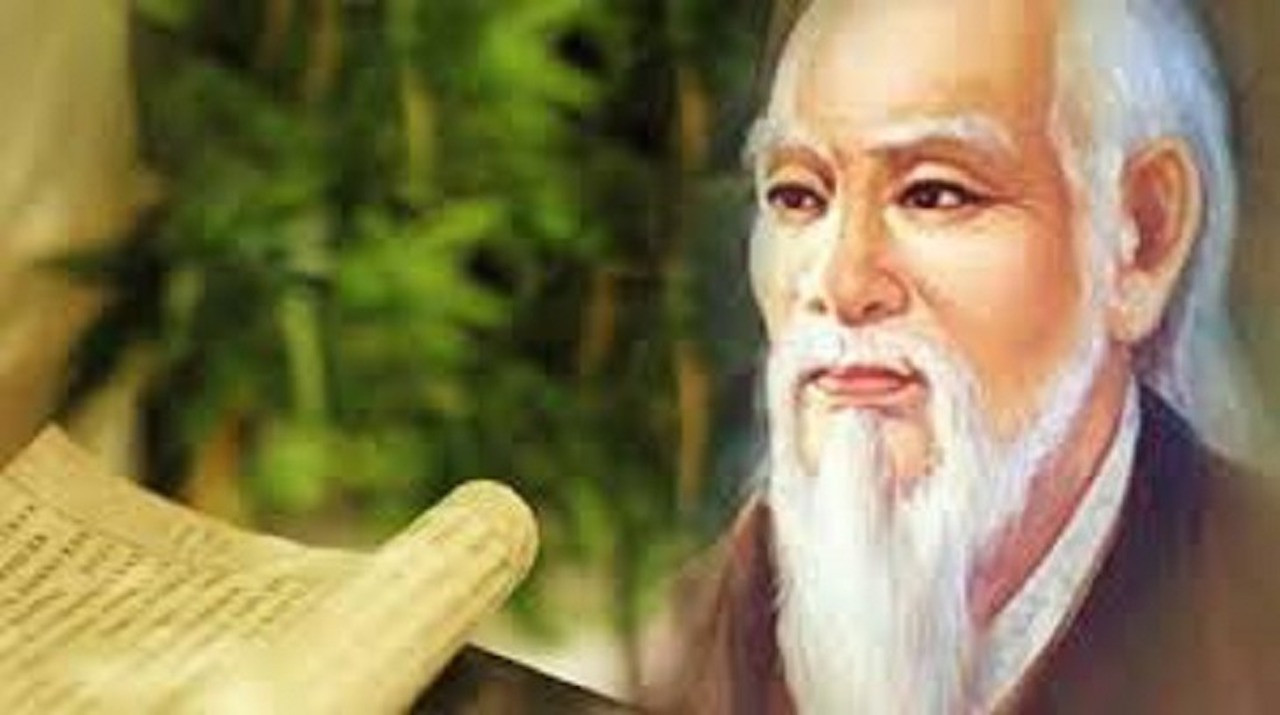
Le Huu Trac (1724-1791), known by his pen name Hai Thuong Lan Ong, was not only a brilliant physician but also a prominent cultural figure.
Born into a scholarly family under the Le dynasty, he devoted his entire life to researching and developing Vietnamese traditional medicine, integrating rich folk experience with systematic theory and practice.
His most important work, Hai Thuong y tong tam linh, is an encyclopedic collection of 28 volumes and 66 books, considered the most comprehensive legacy of Vietnamese traditional medicine.
Beyond its scholarly value, the collection provides guidance on internal medicine, surgery, obstetrics, pediatrics, ophthalmology, emergency care and medical ethics. He selectively absorbed foreign medical knowledge and adapted it to suit Vietnamese conditions. For his immense contributions, he is honored as the Great Master of Medicine of Vietnam.
Professor Ho Dac Di - pioneer of modern surgery
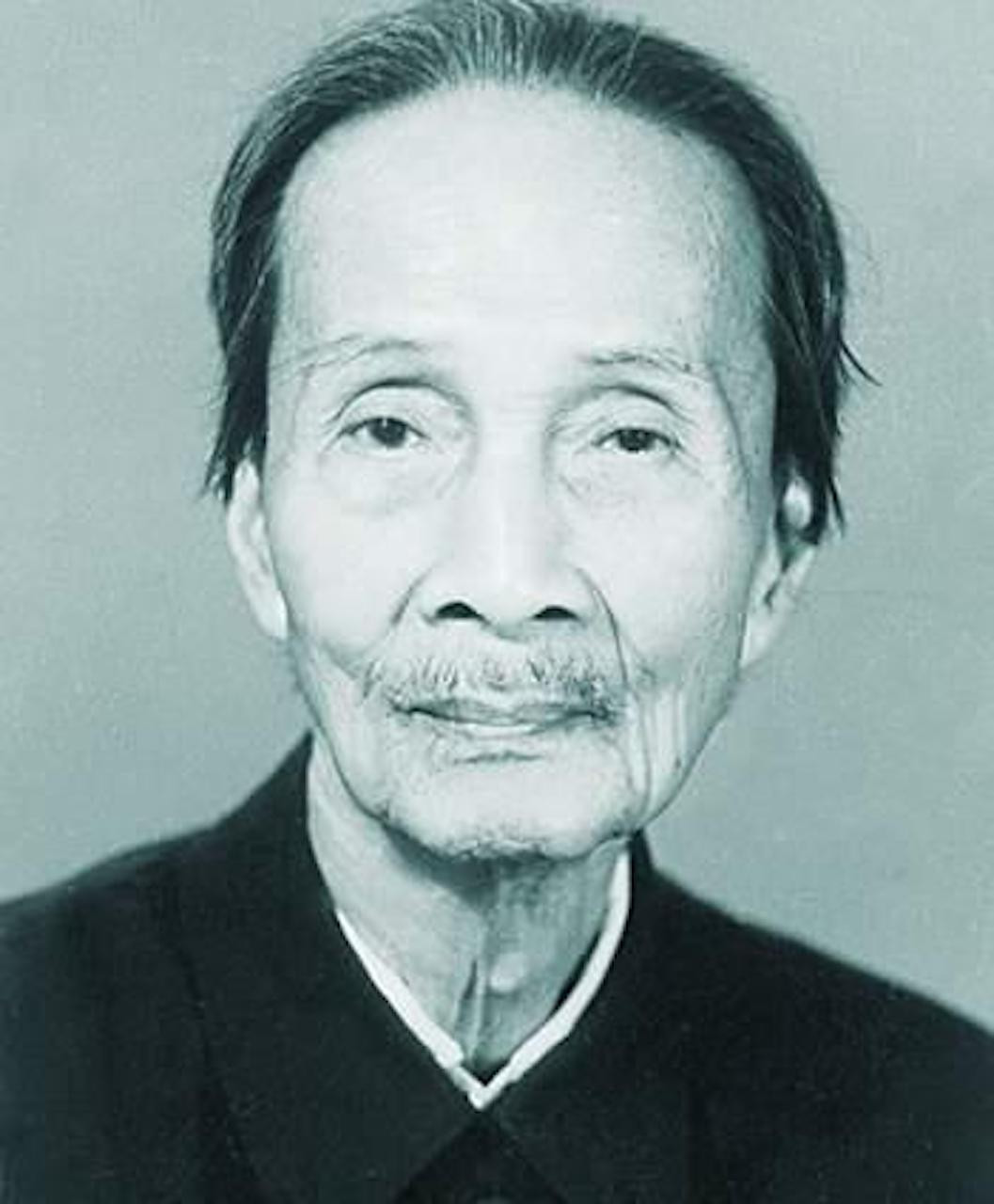
Ho Dac Di (1900-1984), born in Hue, was one of Vietnam’s most distinguished surgeons.
After studying in France from 1918 to 1932, he defended his doctoral thesis in Paris, introducing an innovative method of gastrojejunostomy to treat pyloric stenosis caused by ulcers, replacing the more radical gastric resection technique. The work marked a significant Vietnamese contribution to international medicine.
Throughout his career, he published 37 research works, many of which were applied directly in clinical treatment. He served as Rector of Hanoi Medical University, President of the Vietnam General Medical Association and a member of the National Assembly for multiple terms. He was awarded the Ho Chi Minh Prize and numerous prestigious honors.
Doctor Pham Ngoc Thach - founder of Vietnam’s tuberculosis specialty
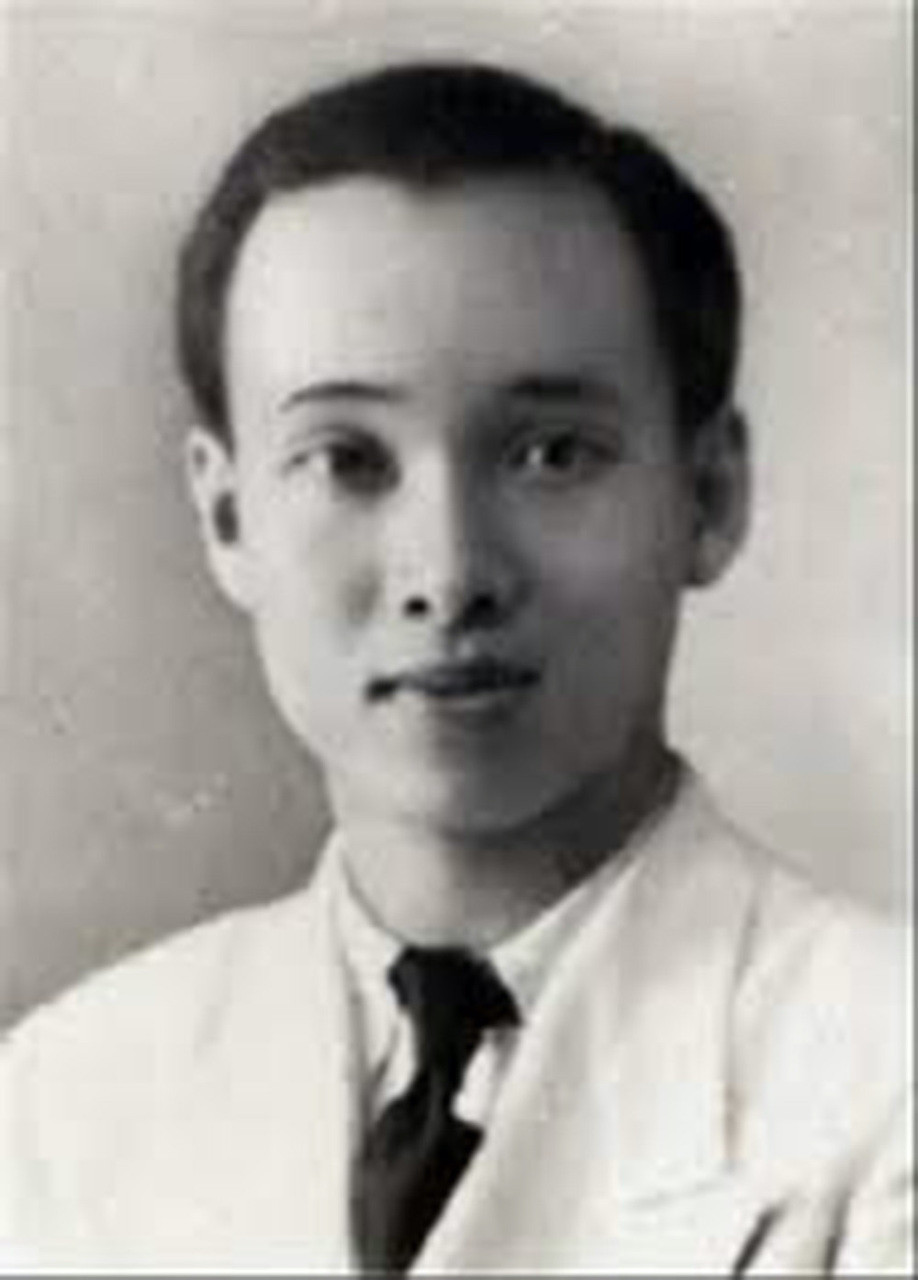
Pham Ngoc Thach (1909-1968) graduated in medicine in France in 1934. Upon returning home, he opened a private clinic and hospital specializing in tuberculosis and lung diseases.
A patriotic intellectual, he joined the revolutionary movement early and became the first President of the Vietnam Youth Federation. He served as the first Minister of Health of the Provisional Government from 1945 to 1946 and later continued in the role from 1958 to 1968.
He founded the National Institute of Tuberculosis, laying the foundation for Vietnam’s tuberculosis and pulmonary specialty. In 1958, he became the first individual in the health sector to receive the title Hero of Labor and was posthumously awarded the Ho Chi Minh Prize in 1997.
Professor Dang Van Ngu - producing penicillin during wartime
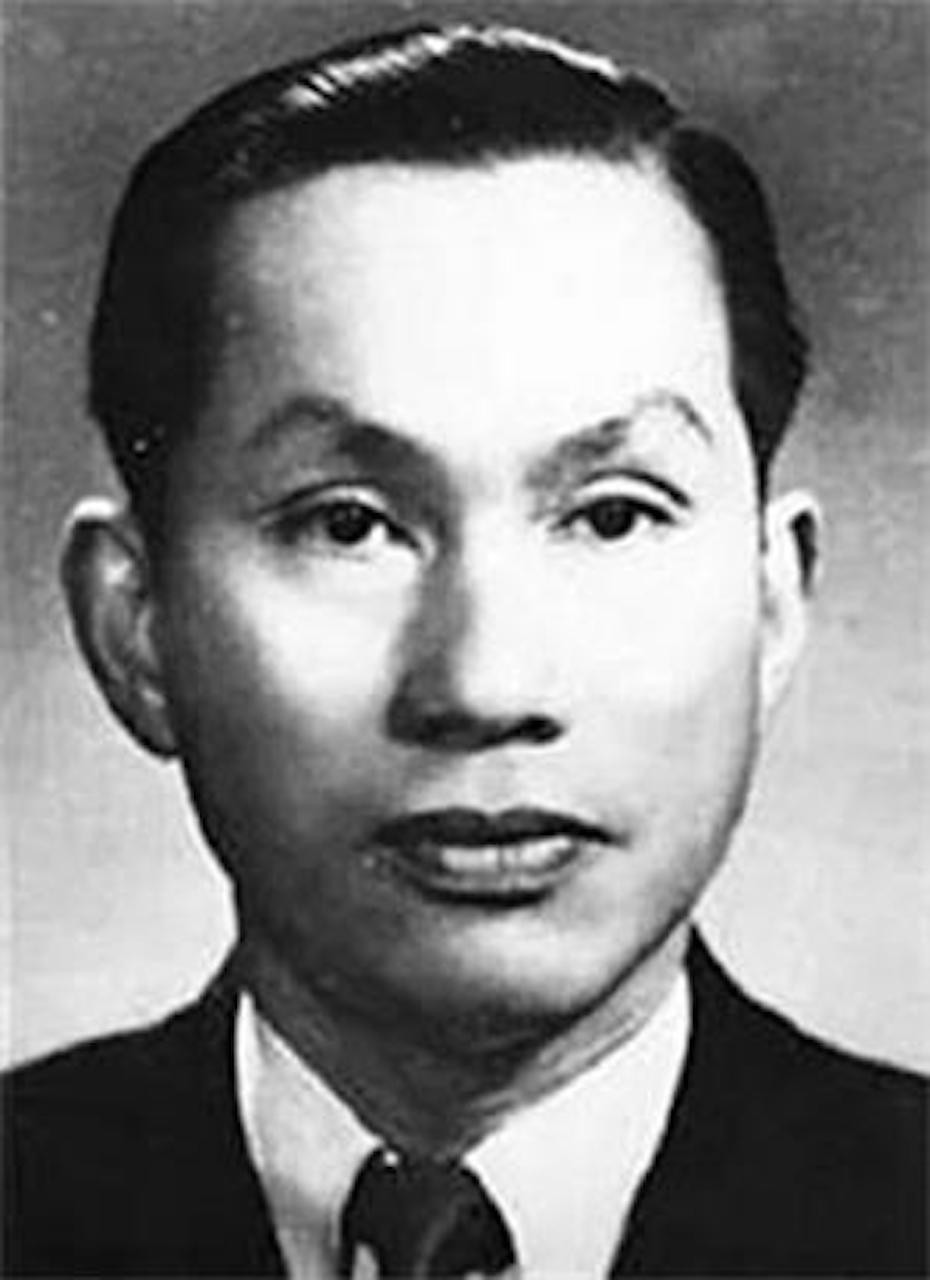
Dang Van Ngu (1910-1967), born in Hue, graduated from Hanoi Medical University in 1937 and headed the Parasitology Laboratory.
During the resistance war against the French, he successfully researched and produced liquid penicillin to treat infections among wounded soldiers and civilians - a remarkable achievement under severe shortages.
In 1955, he founded the National Institute of Malariology, Parasitology and Entomology, playing a crucial role in malaria prevention and control in Vietnam. He was posthumously awarded the Ho Chi Minh Prize in the first phase for medicine.
Professor Ton That Tung - a global name in liver surgery
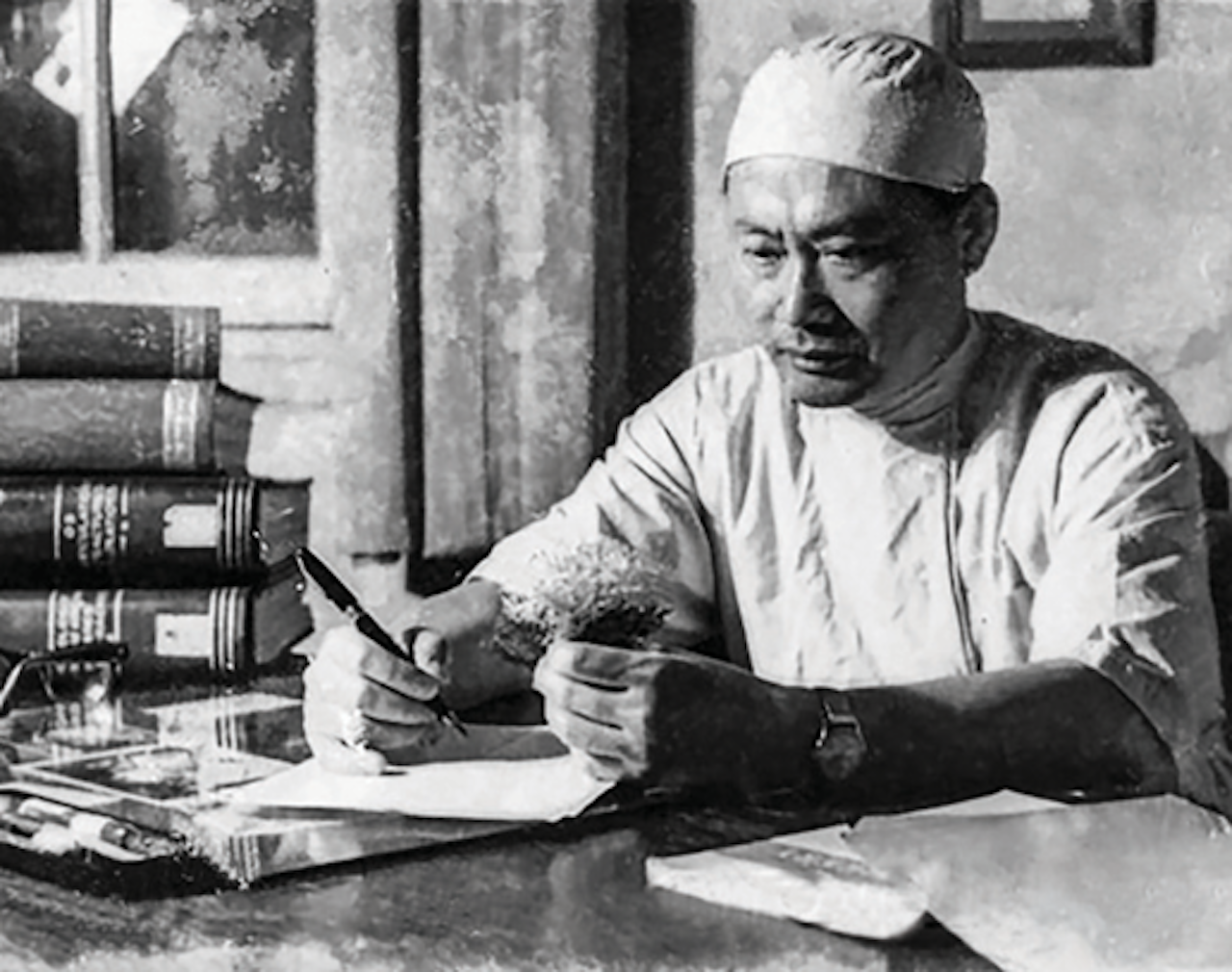
Ton That Tung (1912-1982) stands among Vietnam’s most renowned surgeons. His doctoral thesis, “The vascular segmentation of the liver,” earned a Silver Medal at the University of Paris. Building on his anatomical research, he developed the planned hepatectomy technique, internationally recognized as a liver surgery method bearing Vietnam’s name.
He performed Vietnam’s first heart surgery in 1958, advanced neurosurgery and pediatric surgery, and introduced open-heart surgery using a heart-lung machine in 1965.
In 1977, the Paris Academy of Surgery awarded him the prestigious Lannelongue International Surgical Medal, honoring outstanding surgeons worldwide. He was also conferred the title Hero of Labor and many other distinguished decorations.
Their enduring legacy continues to inspire generations of Vietnamese physicians, especially as the nation commemorates Vietnamese Doctors’ Day on February 27 - a moment to honor those who dedicate their lives to protecting and caring for public health.
N. Huyen
.svg)
