 Vietnamnet.vn

 Podcast



Nestled beneath the Lung Cu Flag Tower on the Dong Van Karst Plateau, Lo Lo Chai village in Lung Cu commune, Tuyen Quang province, is home to more than 120 households, most of them belonging to the Lo Lo ethnic minority.
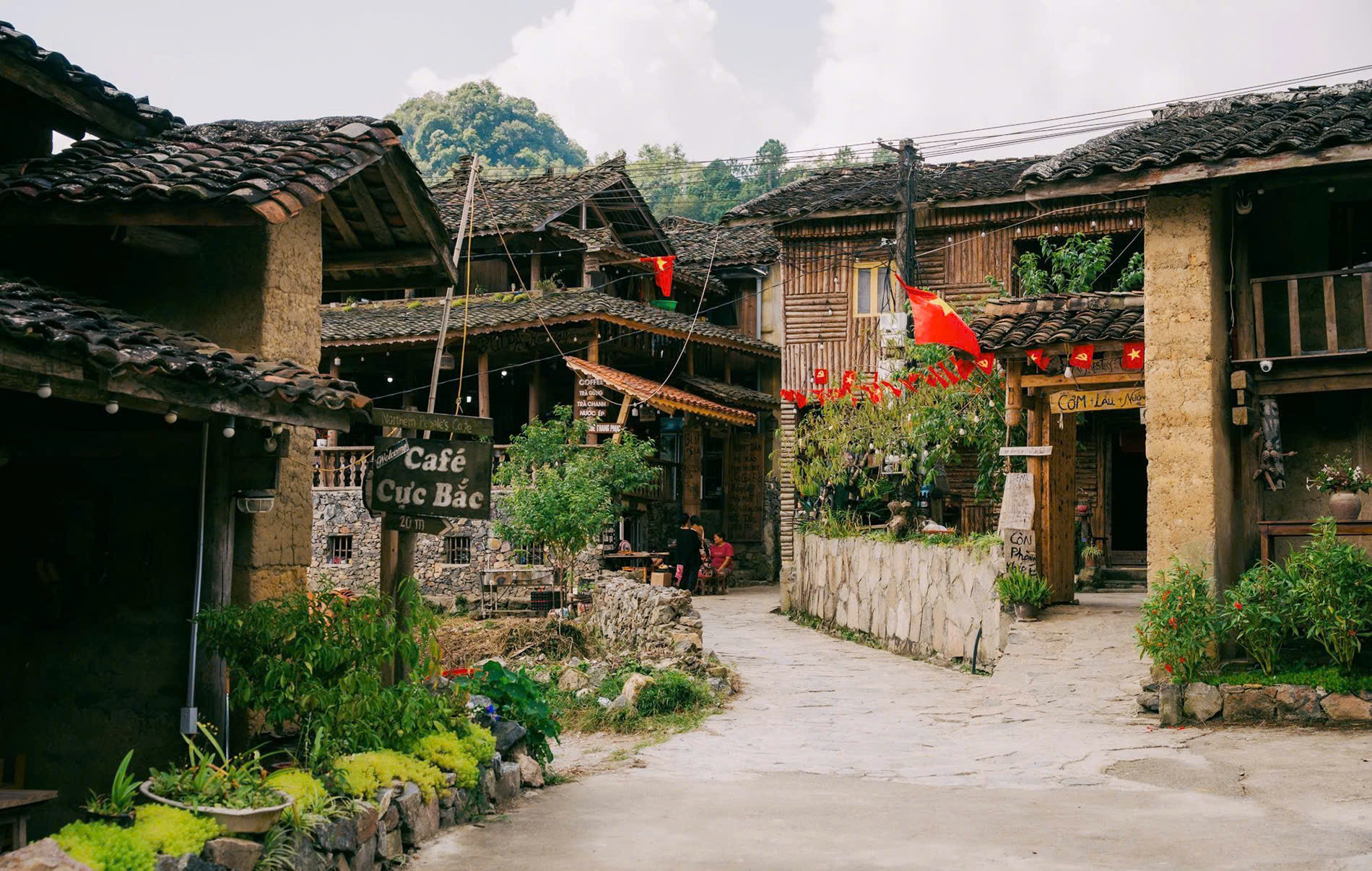
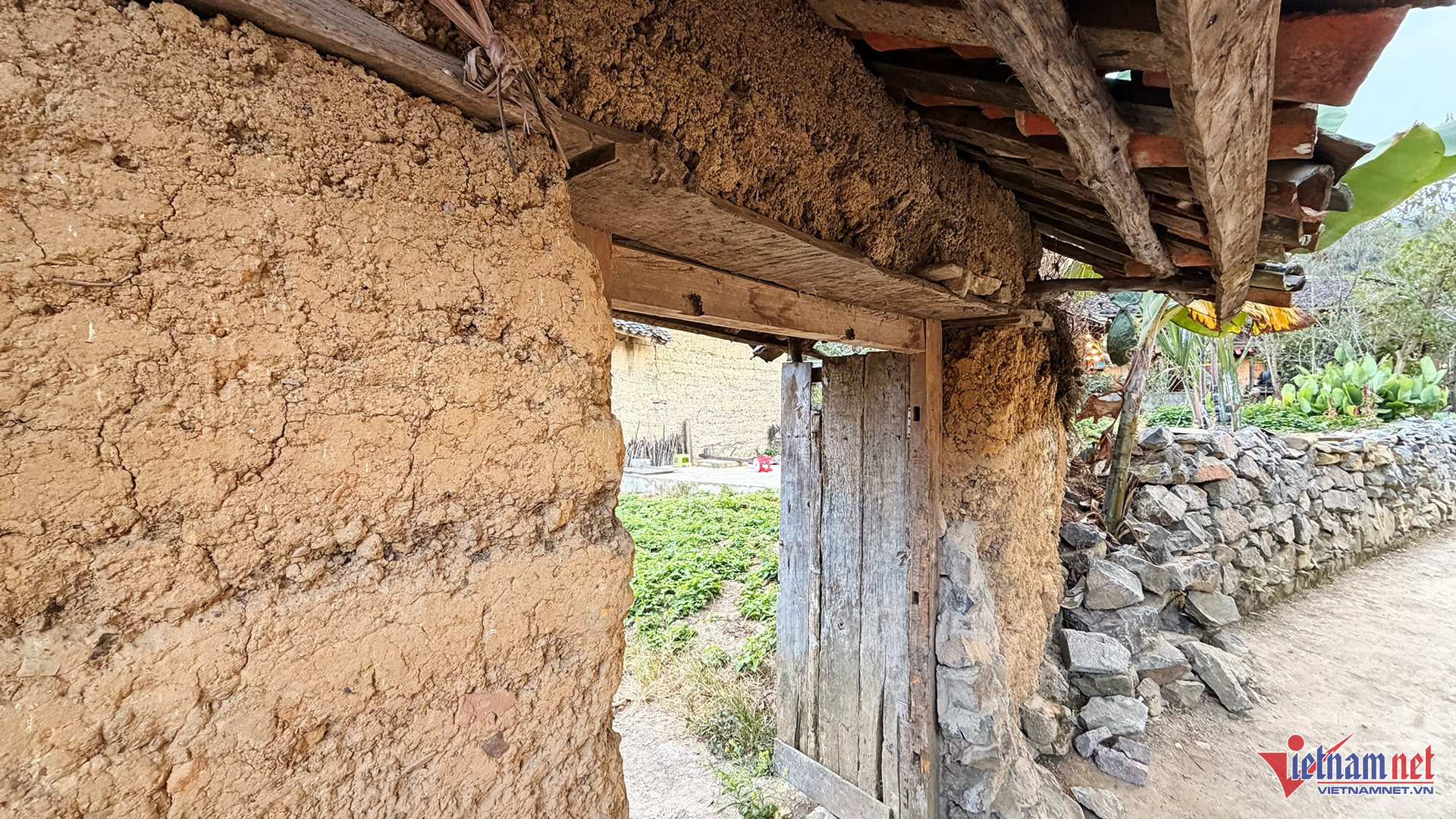
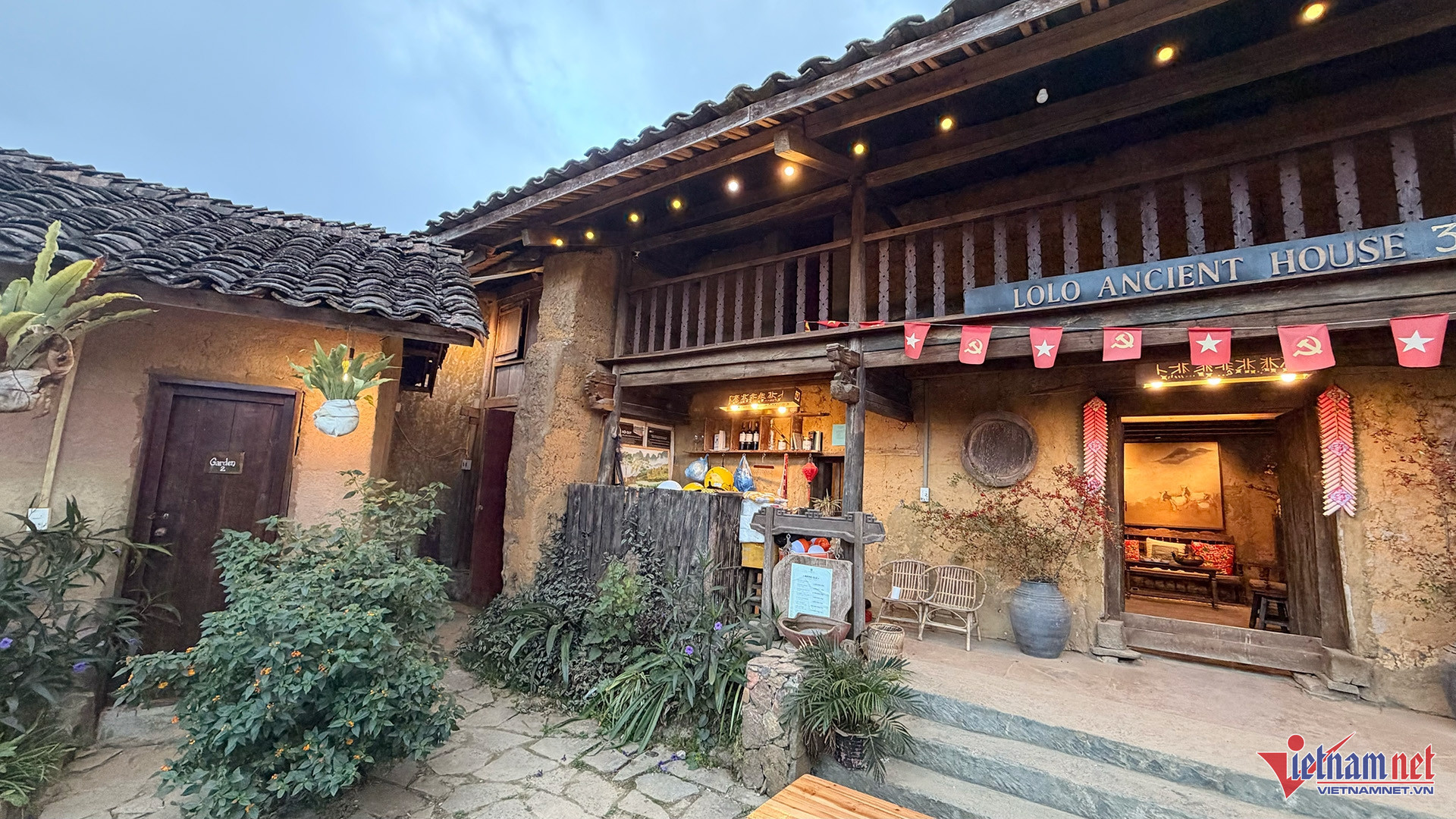
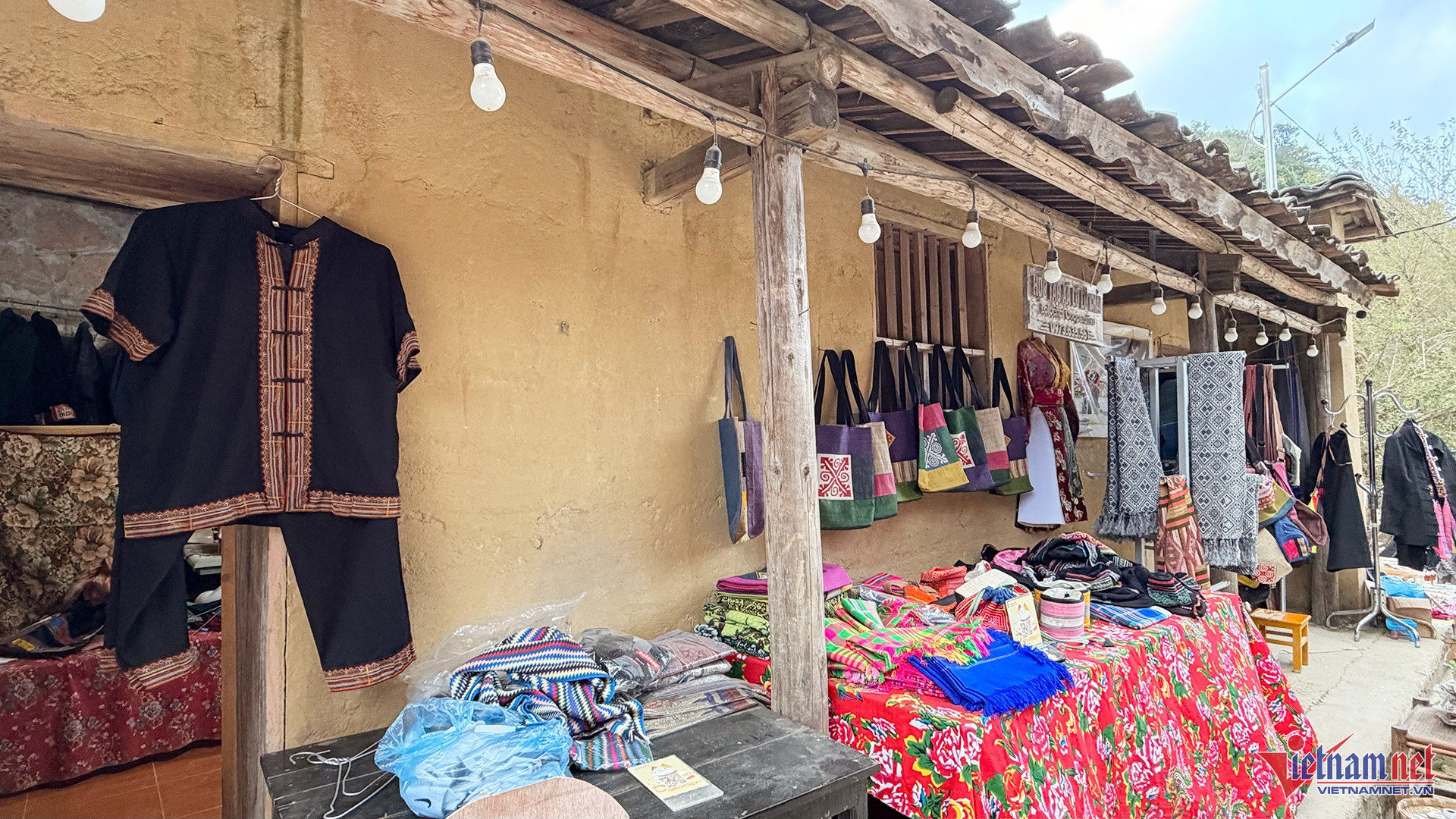
Traditional rammed-earth houses, yin-yang tiled roofs and stone fences line the village's narrow lanes, creating a distinctive landscape that has become increasingly popular with travelers.
After visiting the Lung Cu Flag Tower, tourists can return to the village for a home-cooked meal, spend the night at a local homestay and experience the everyday traditions of its residents.
In October 2025, Lo Lo Chai was recognized by UN Tourism as one of the Best Tourism Villages of 2025, bringing the remote settlement greater international attention.
The village's busiest tourism season typically falls in October and November, when buckwheat flowers bloom across the northern highlands.
According to the Lung Cu Commune People's Committee, Lo Lo Chai welcomed 6,000 visitors on October 30, including more than 2,000 overnight guests.
It was the highest number of visitors recorded in a single day in the village's history.
From keeping buffalo beneath their homes to welcoming tourists
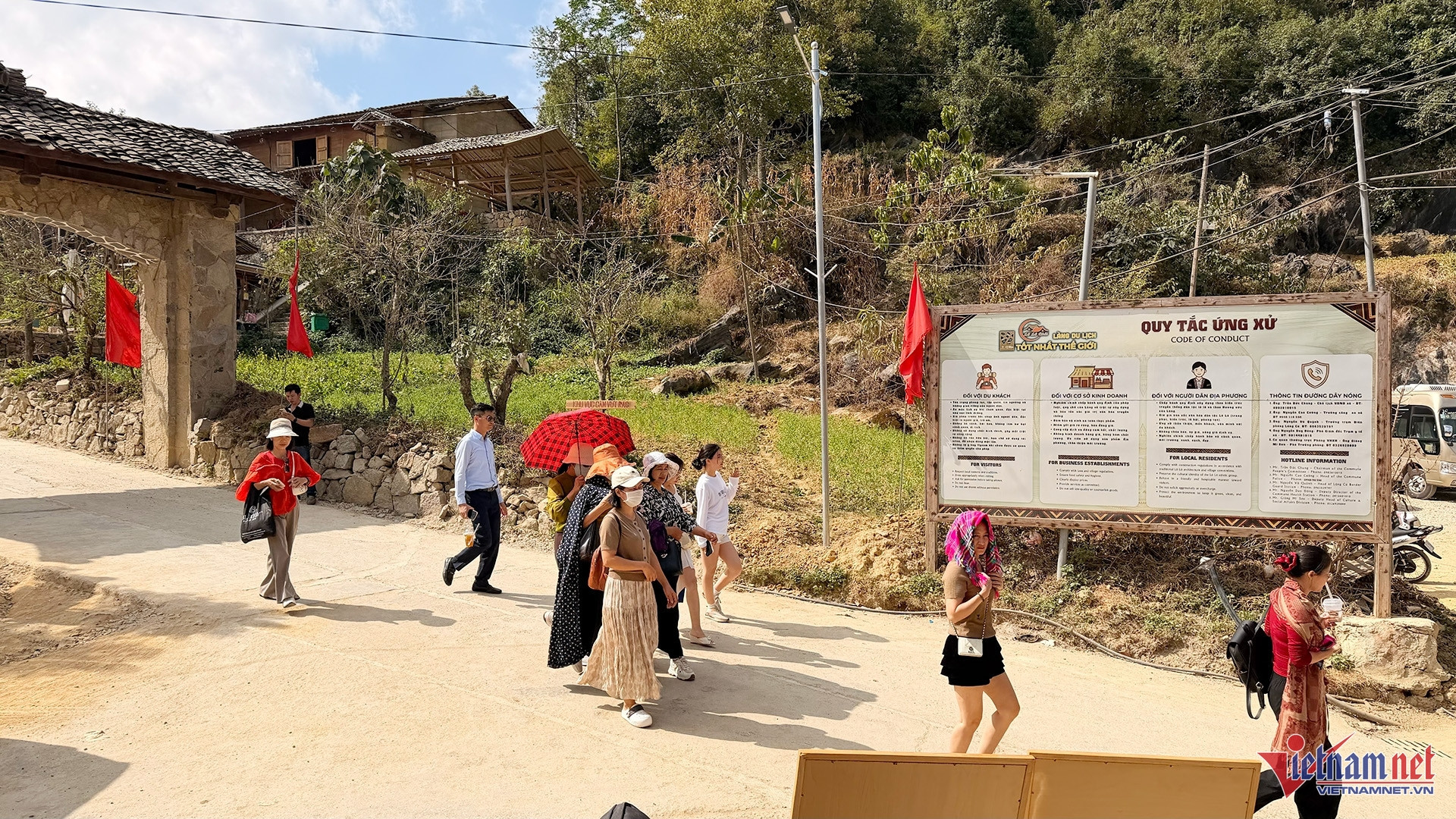

Vang Di Tinh, 50, has served as secretary of the Lo Lo Chai village Party cell for 21 years.
His family was among the first to develop community-based tourism in the village, beginning around 2011.
Looking back, Tinh recalled that only seven or eight households initially participated in tourism activities.
To accommodate visitors, his family had to move livestock away from their living quarters and gradually improve their home.
"When we first started our homestay, we moved the buffalo and pigs from beneath the house to a new livestock area," he said. "My wife and I began with the smallest things, cleaning the courtyard, renovating the bathroom and rearranging sleeping areas before we could even think about welcoming guests."
As those pioneering families began attracting tourists, other households gradually followed their example.
Homes that once served only local families were adapted to provide accommodation for visitors from across Vietnam and overseas.
Today, Tinh's property has been transformed into a homestay with 19 guest rooms.
He is also renovating the former livestock area into an additional nine-room accommodation facility.
Despite the expansion, he said the buildings retain traditional architectural features, including earthen walls and yin-yang tiled roofs.
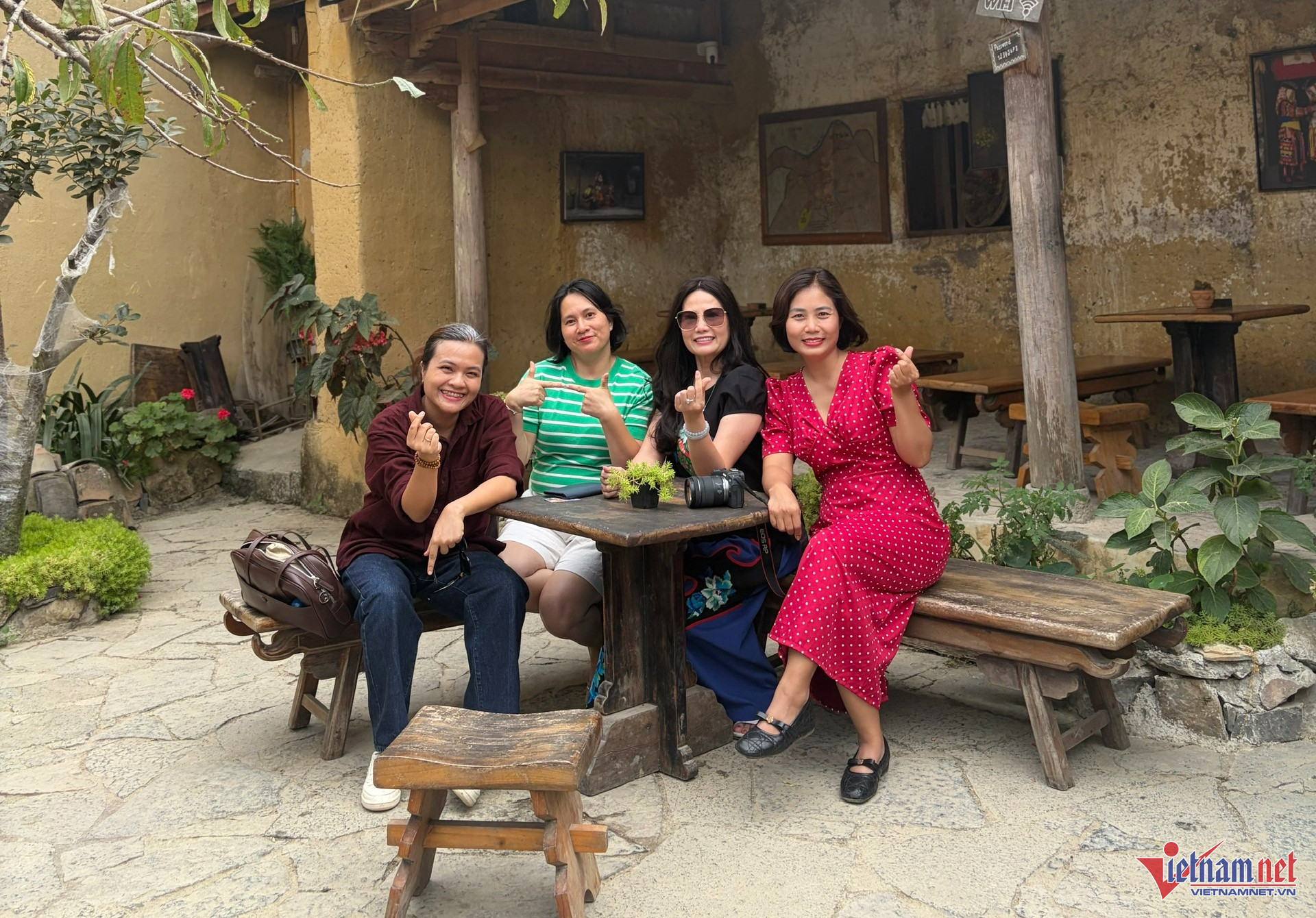
Hoang My Khanh, who moved to Lo Lo Chai after marrying a local resident in 2008, has also witnessed the village's transformation.
She began developing her accommodation business in early 2023 and opened it to guests in April 2024.
Her property includes nine rooms designed around traditional local wooden-house architecture, along with 10 bungalows inspired by five pairs of bronze drums associated with Lo Lo culture.
According to Khanh, the village now has approximately 80 accommodation establishments, with capacity for around 2,000 overnight guests.
For Duong Ngoc Duc, Secretary of the Lung Cu Commune Party Committee, Lo Lo Chai's tourism development brings back memories of efforts to improve living conditions in the village more than a decade ago.
Around 2014, when he was Chief of Office of the Dong Van District Party Committee, Duc and other officials were assigned to help residents improve their homes and surroundings as part of a rural development initiative.
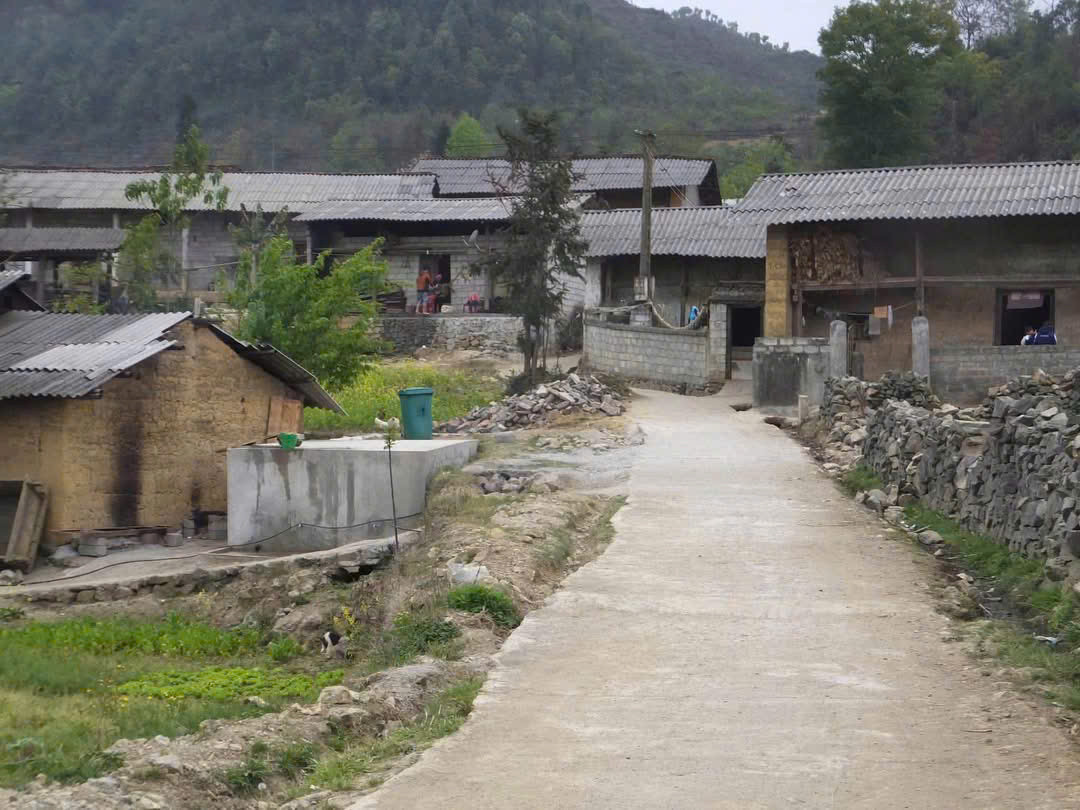
They visited households to clean livestock shelters, clear clutter and improve basic living conditions.
"At that time, our only goal was to improve people's lives in Lo Lo Chai and support new-style rural development. We had not yet thought about community-based tourism," Duc recalled.
The changes since then have been substantial.
According to Duc, many households once struggled with poverty and food shortages. Today, more than half of the village's families operate homestays, and some have even been able to purchase cars.
Tourism has opened new opportunities for local businesses and significantly improved household incomes.
However, the growing number of visitors has also raised concerns about how to expand accommodation without sacrificing the village's traditional architecture and character.
For Duc, the central question is how to provide more rooms while preserving the distinctive rooftops, courtyards and narrow lanes that make Lo Lo Chai special.
Expanding accommodation while preserving village identity
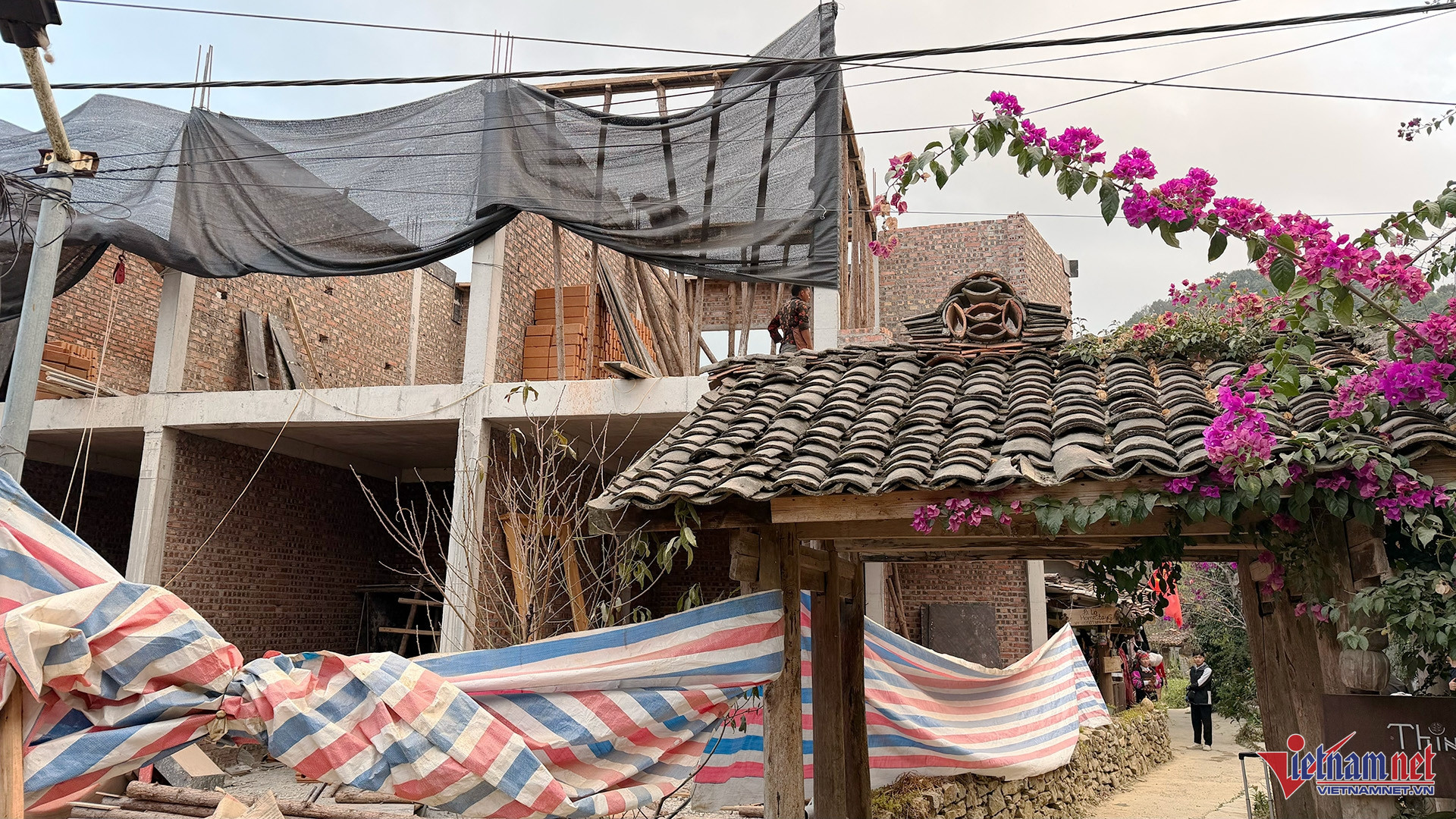
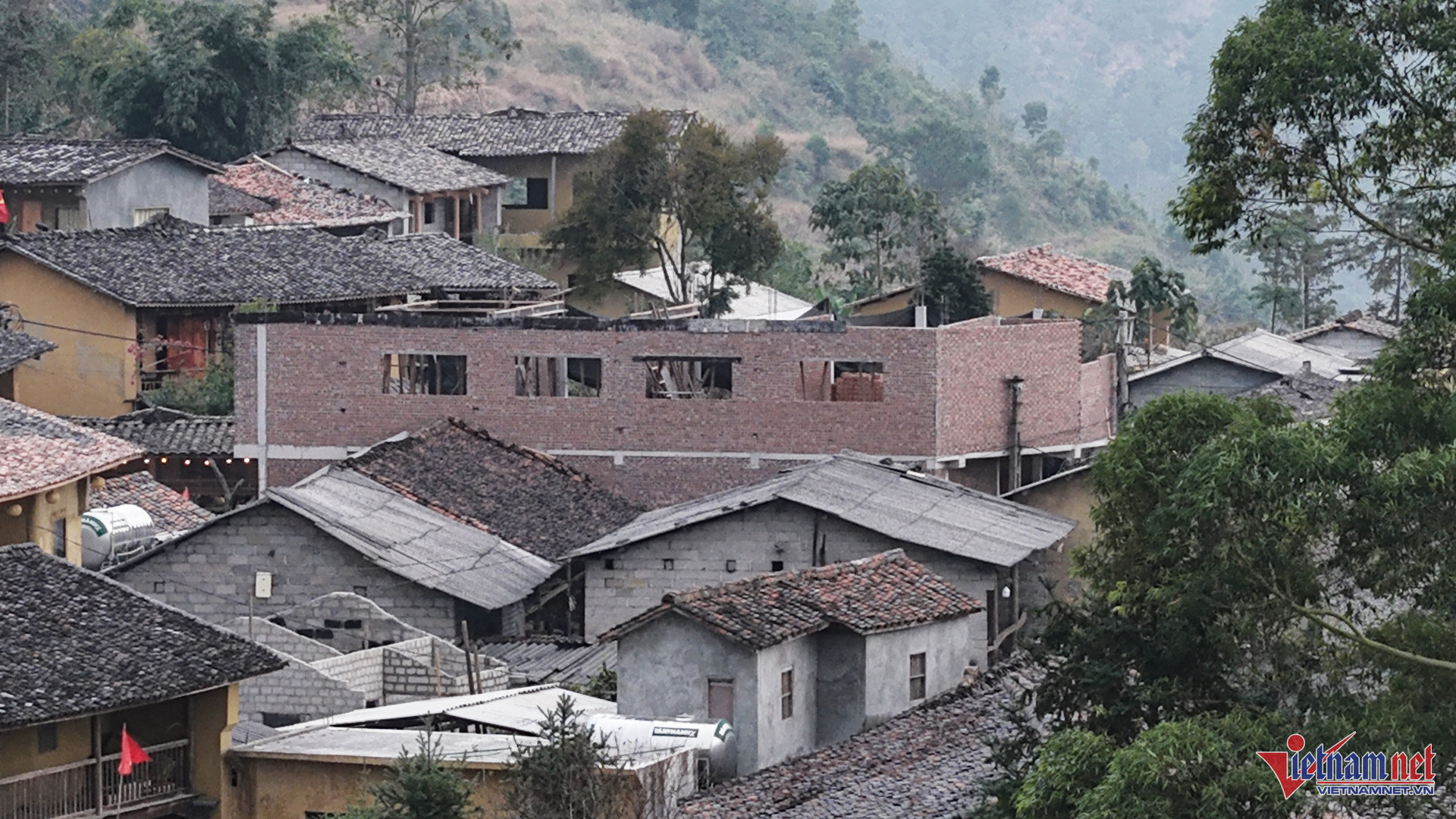
Walking through Lo Lo Chai today, visitors can see newly constructed buildings appearing among traditional wooden gates, stone fences and low tiled roofs.
Some structures have exposed concrete frames and red-brick walls, while newer accommodation facilities feature spacious balconies and large glass windows.
These changes have sparked debate about whether increasing construction is eroding the village's traditional appearance.
Some observers fear that the spread of concrete buildings could eventually undermine the cultural identity that has made Lo Lo Chai an attractive destination.
Tinh acknowledged that growing visitor numbers have encouraged residents to build more accommodation.
However, because individual households have developed their properties according to their own needs and preferences, the village now contains buildings of varying heights and architectural styles.
Khanh believes the changes should be considered in the broader context of the village's development.
She noted that houses built with modern materials had already appeared before tourism expanded.
Residents need better living conditions, she said, while tourists increasingly expect comfortable accommodation and modern facilities.
Her main concern is not necessarily the use of new construction materials, but the rapid increase in building density compared with the village's existing infrastructure.
"Construction does not necessarily mean destruction," Khanh said.
According to a report by the Lung Cu Commune People's Committee, Lo Lo Chai currently retains 48 traditional rammed-earth houses.
Renovating and maintaining these buildings presents considerable challenges because of the availability of suitable materials, specialized construction techniques, costs and the need to adapt homes for modern use.
Local authorities have also identified two cases of construction that did not comply with approved permits.
In one case, the property owner voluntarily demolished the unauthorized section. The other case resulted in an administrative penalty.
Duc said local authorities are prioritizing the protection of the village's historic core while working with relevant departments to study the development of buffer zones and satellite tourism sites.
These measures are intended to reduce development pressure on the village itself.
Alongside detailed planning efforts, authorities have held repeated discussions with residents, encouraging them to follow community regulations and sign commitments to preserve traditional architecture and the surrounding landscape.
Duc emphasized that protecting the culture and distinctive identity of the Lo Lo people is essential to maintaining the village's long-term appeal.
In Lo Lo Chai, every traditional house serves two purposes: it is both a place where visitors can experience local culture and a home where a family lives, works and hopes to build a sustainable future.
The challenge now is to ensure that the prosperity brought by tourism does not come at the expense of the very heritage that attracts visitors.
Duc Hoang

