 Vietnamnet.vn

 Podcast


The proposed national industrial and energy hub could require investment of US$16.1-20.5 billion, including US$14-17.5 billion before 2030, as Vietnam seeks to develop an integrated energy ecosystem and create new drivers of economic growth.
Mai Tuan Dat, Deputy General Director of Binh Son Refining and Petrochemical Company (BSR), presented the estimates at a November 18 seminar titled "National Industrial and Energy Hub: Creating New Growth Drivers", organised by New Energy Magazine/PetroTimes.
Major investment needed for Dung Quat energy hub
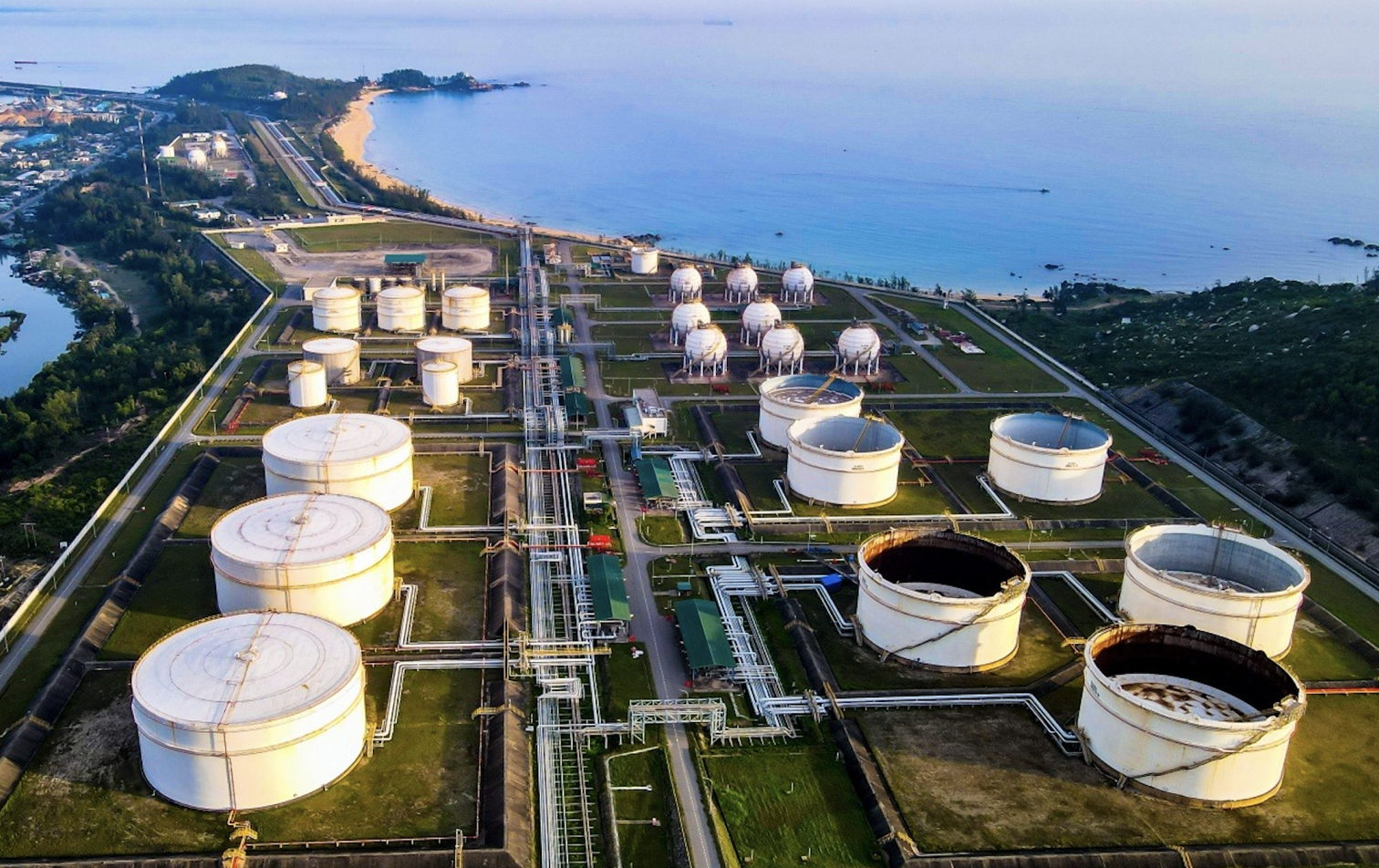
According to Dat, BSR already possesses important infrastructure advantages, including ports, storage facilities, pipelines, electricity, steam and water supply systems.
The company also has approximately 67 hectares of cleared land adjacent to its refinery, providing opportunities to connect new petrochemical projects, sustainable aviation fuel (SAF) production, synthetic fuel facilities and crude oil storage infrastructure.
BSR plans to restructure its product portfolio towards deeper processing, higher-value petrochemical products and green energy development.
A central component is the Dung Quat Oil Refinery Upgrade and Expansion Project, with total investment of VND36.397 trillion (US$1.38 billion).
The project aims to increase the refinery's processing capacity to 171,000 barrels per day.
BSR is also studying a petrochemical complex with annual capacity of 6-7 million tonnes, alongside the development of E10 gasoline, sustainable aviation fuel, sustainable marine fuels, B5 biodiesel and synthetic fuels.
However, developing the broader national industrial and energy hub will require substantial investment.
BSR estimates that US$16.1-20.5 billion must be mobilised, of which US$14-17.5 billion would be needed by 2030.
To attract investors, the company has proposed 10 groups of special mechanisms covering investment procedures, land, taxation, credit, human resources, administrative decentralisation and master planning.
BSR also plans to develop satellite projects linked to the refinery's feedstock supply, allowing participating businesses to share port infrastructure, storage facilities, pipelines and utilities.
Common technical services, including maintenance, inspection, laboratory testing and workforce training, would also be developed.
Dat stressed that the priority is to connect enterprises and integrate infrastructure, technologies and resources into a closely linked industrial and energy ecosystem.
Such an approach, he said, could create new growth opportunities for Dung Quat and Vietnam's central region.
PTSC calls for offshore wind projects and shared infrastructure
Duong Quoc Huan, a representative of PetroVietnam Technical Services Corporation (PTSC), said a national industrial and energy hub should extend beyond power plants, gas facilities, petrochemical refineries and renewable energy projects.
It should also establish a strong industrial ecosystem capable of independently handling the design, manufacturing, installation, operation and maintenance of energy infrastructure.
PTSC aims to serve as a core enterprise in industrial manufacturing and technical services, connecting project developers with contractors and suppliers.
The company also expects to participate in infrastructure development and attract investors to segments currently missing from the domestic energy value chain.
However, Huan identified several challenges, including insufficient domestic orders, substantial investment requirements for shared infrastructure, long capital recovery periods and the potential shortage of highly skilled technical workers.
PTSC therefore proposed accelerating domestic offshore wind projects, coordinating infrastructure planning and introducing special investment mechanisms for shared facilities.
It also called for a clear localisation roadmap to create demand for Vietnamese enterprises, strengthen domestic industrial capabilities and retain more investment value within the national economy.
Experts advocate integrated energy development
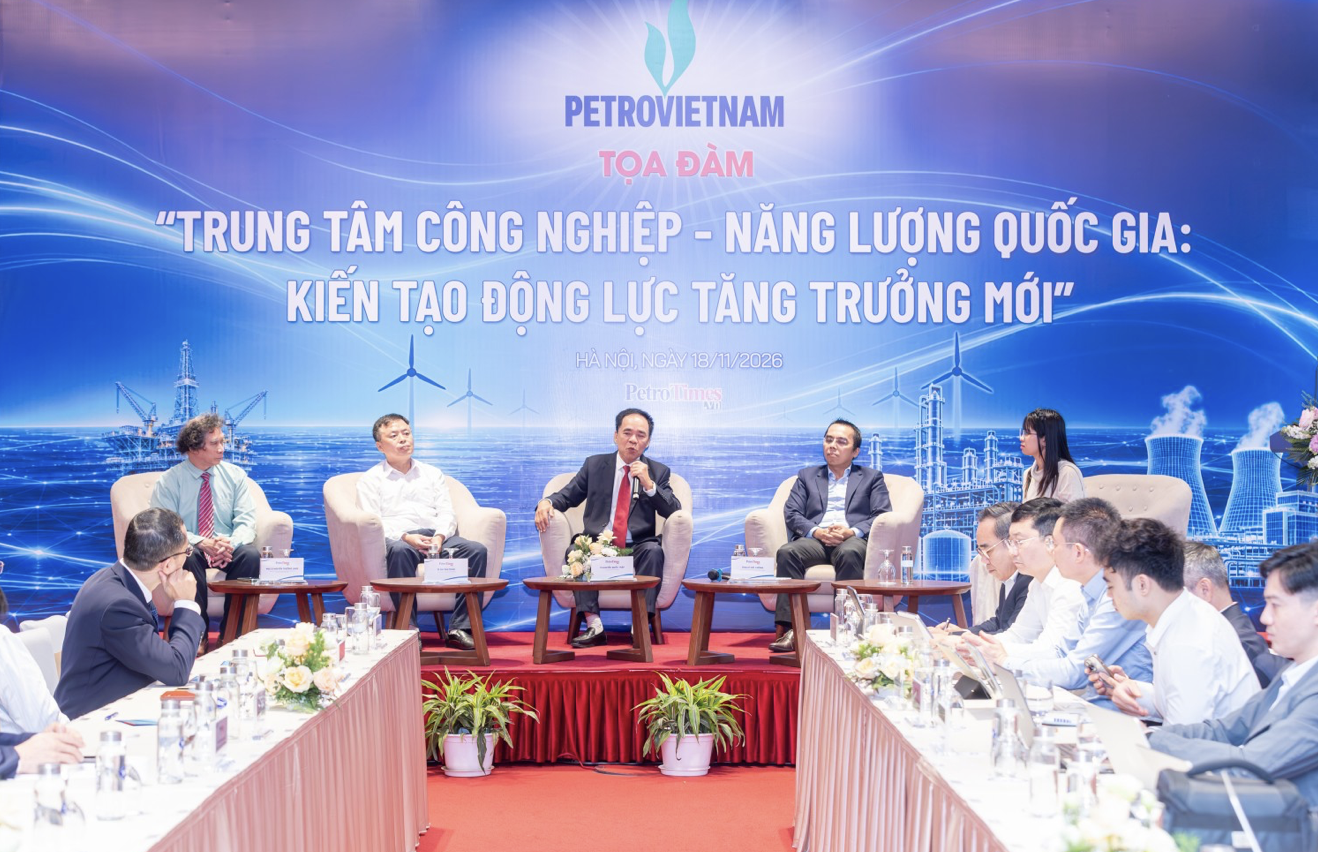
Nguyen Quoc Thap, Chairman of the Vietnam Petroleum Association, described the transition from individual energy projects to integrated industrial and energy hubs as a necessary development direction.
However, he stressed that each hub should be built around its own competitive advantages.
Dung Quat has strengths in oil refining and petrochemicals, while Vung Tau is well positioned in mechanical engineering, petroleum technical services and port logistics.
Ca Mau, meanwhile, has an established foundation in gas, power generation and fertiliser production.
Other localities, including Ha Tinh and Thanh Hoa, could also capitalise on their industrial bases and port infrastructure to develop similar models.
Thap said the key is to move away from isolated project development towards greater coordination and integration.
By sharing infrastructure and complementing one another's strengths, industrial and energy hubs could attract more customers and improve investment efficiency.
Economic expert Nguyen Thuong Lang described the proposed model as an institutional and organisational breakthrough that could support Vietnam's ambition to achieve double-digit economic growth over the next five to seven years.
He argued that the energy sector must develop ahead of broader economic demand to help realise that objective.
Continuing to develop scattered, standalone projects would make it difficult to achieve economies of scale and operational synergies, he said.
Integrated hubs, by contrast, could strengthen industrial linkages, maximise shared infrastructure, reduce coordination costs and improve operating efficiency.
They could also become centres for mobilising investment, technology and manufacturing capabilities, supporting the development of related industries.
Lang emphasised the importance of optimising resources, maintaining streamlined management structures and concentrating on core industrial activities.
He also called for Vietnam to master critical technologies and key stages of production to strengthen its long-term technological independence.
Competitive incentives and policy reforms needed
Le Viet Cuong, Deputy Director of the Institute of Energy under the Ministry of Industry and Trade, identified three groups of policies needed to ensure the effective operation of national industrial and energy hubs.
First, Vietnam should accelerate administrative decentralisation and clarify the responsibilities of central and local authorities.
Local governments should be given greater flexibility to develop and implement policies suited to their specific conditions.
Second, investment incentives must be sufficiently attractive and internationally competitive to draw major enterprises with strong financial resources, advanced technologies and the ability to lead industrial value chains.
Third, an interconnected data system should be established to ensure transparent information sharing between regulatory agencies and businesses.
Such a system would help investors make informed decisions while strengthening cooperation across supply chains.
Regarding implementation, Thap proposed initially selecting one industrial and energy hub for a pilot programme.
He said the Government should clearly identify the core enterprise responsible for leading the initiative and appoint an individual with sufficient authority to oversee its development.
"The most important thing is to select the right leader and assign authority commensurate with responsibility," he said. "There must also be mechanisms to ensure that issues beyond the leader's authority are promptly reviewed and resolved."
The proposals highlight the importance of coordinated planning, substantial investment and regulatory reforms in transforming Vietnam's energy infrastructure into integrated industrial ecosystems capable of supporting long-term economic growth.
Tam An

