 Vietnamnet.vn

 Podcast



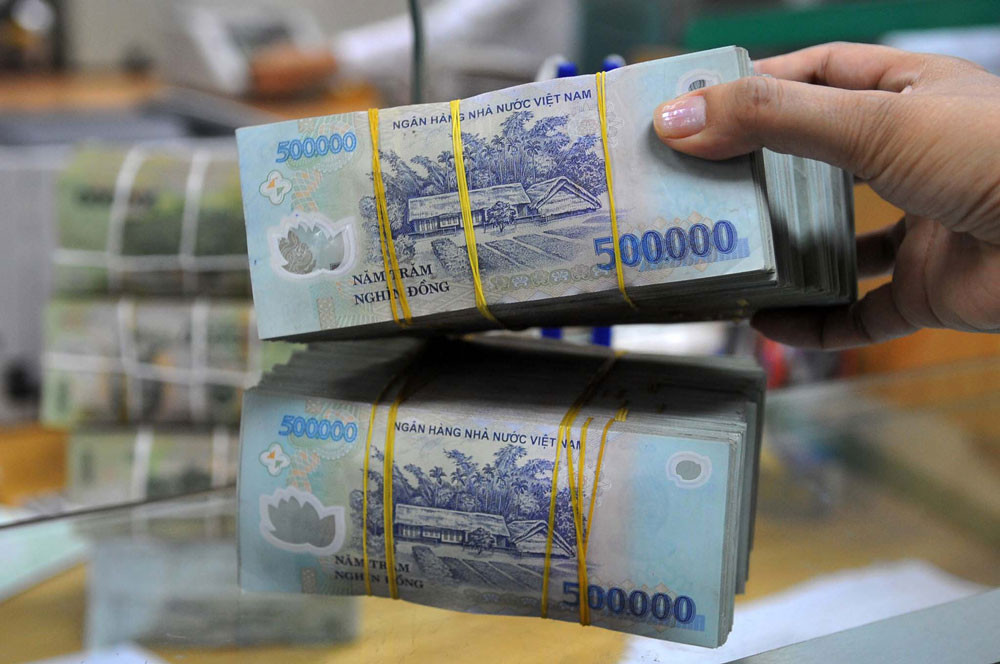
Decision 40/2026/QD-TTg, which took effect on August 5, 2026, is signaling the start of a new cycle of state capital restructuring, following two major periods of divestment in 2011-2015 and 2016-2020.
The first wave focused on divesting non-core investments and withdrawing state capital from sectors where continued state investment was deemed unnecessary, including banking, securities, insurance and real estate. By 2015, the book value of state capital sold stood at around VND27 trillion ($1.03 billion), generating proceeds of roughly VND35 trillion ($1.33 billion).
The 2016-2020 period made a much bigger mark, with a series of large-scale transactions. The state accelerated stake sales at equitized enterprises, seeking to maximize proceeds. Landmark deals included the sale of a 53.59% stake in Sabeco (SAB) to ThaiBev for nearly $5 billion, as well as multiple stake sales in Vinamilk (VNM). Overall, divestments during the period generated nearly VND177.4 trillion ($6.74 billion), 6.5 times the book value, according to figures compiled by the Ministry of Finance.
The market then entered a quieter period from 2021 to 2025, weighed down by factors including the Covid-19 pandemic, unfavorable stock market conditions, valuation and legal complications, and lengthy approval procedures.
Now, a new cycle is beginning to take shape.
Decision 40 establishes the framework for classifying enterprises and determining state ownership ratios for the 2026-2030 period. Under Official Dispatch 52/CD-TTg dated August 7, the Government has ordered capital restructuring plans to be completed and approved by August 31. The State Capital Investment Corporation (SCIC) alone plans to divest its entire holdings in 66 companies while retaining stakes in 21 others.
Notably, this round of capital restructuring is not simply about selling stakes to raise proceeds. It is also intended to redefine appropriate levels of state ownership across individual industries and sectors. After reviewing the entire portfolio sector by sector, the state will concentrate resources in essential areas while reducing ownership in companies where maintaining a controlling stake is no longer necessary.
If implemented on schedule, the process could become Vietnam's "third wave of state divestment," while bringing a substantial new supply of shares to the stock market.
At a time when the economy requires significant funding to pursue ambitious growth targets, bringing more shares in large-scale enterprises to market could prove particularly important. It would not only create new investment opportunities but also allow the capital market to share more of the fundraising burden currently borne by the banking system, while creating greater room for both domestic and international capital.
Billion-dollar opportunities waiting in the market
Decision 40, however, does not mean that every company with a high level of state ownership must immediately undergo divestment. The actual impact will depend on the industry classification, target ownership ratio, divestment method and approved timetable.
One notable case is Petrolimex (PLX), currently valued at around $1.8 billion. PetroVietnam (PVN) holds approximately 75.87% of its capital, while a major petroleum distributor meeting the relevant market-share criteria falls into Group III, where state ownership is set at above 50% but below 65%. If this framework is applied, PLX's current state ownership remains significantly above that range.
A reduction in state ownership, if implemented, could increase the company's free float, improve liquidity and attract strategic investors. However, no specific divestment plan for PLX has yet been announced.
Among companies seen as having a clearer divestment story, PVI is attracting attention as PVN owns around 35% and is expected to divest its stake in the coming period. PVI currently leads Vietnam's non-life insurance market, accounting for approximately 19% of market share in the first quarter of 2026.
SCIC also plans to divest its entire stake of more than 37% in Tien Phong Plastic (NTP), a major player in the plastic pipe industry with around 60% of the northern market and 30% nationwide. A change in NTP's major shareholder structure would likely draw considerable market attention.
MSB, with a market capitalization of around $1.8 billion, is another name to watch, as VNPT owns approximately 6.05% and is its largest shareholder. Meanwhile, SCIC holds 53.49% of Vinatex (VGT), leaving significant room for a shift in the shareholder structure if divestment plans go ahead.
The story becomes even more significant among billion-dollar companies. PVN plans to sell stakes of 2-5% in GAS, valued at around $7.6 billion, and BSR, worth approximately $5.1 billion. If completed, these could become major capital-market transactions given the scale of the two companies' assets and their positions in their respective industries. PVN is negotiating valuation consultancy contracts, with the process expected to be completed by December 2026 at the latest, after which the state-owned stakes would be sold through public auctions.
GAS operates on a substantial scale, recording net revenue of VND81.268 trillion ($3.09 billion) and after-tax profit of VND8.804 trillion ($335 million) in the first half of 2026. BSR posted even higher revenue of VND104.636 trillion ($3.98 billion), alongside after-tax profit of VND15.727 trillion ($598 million) over the same period.
ACV is another example of why the new framework should be interpreted cautiously. The state owns around 95.4% of the company, far above the minimum 65% ownership threshold for the airport sector. But Decision 40 does not mean ACV is required to reduce state ownership to 65%. The gap merely indicates potential room to mobilize more private capital rather than representing a confirmed divestment plan.
The same caution applies to GAS, BSR and POW, where specific plans are still needed. PVN owns more than 92% of BSR, around 95.8% of GAS and approximately 80% of POW. These figures point to considerable scope for capital restructuring, but they should not automatically be interpreted as the amount of shares certain to be offered to the market.
According to KBSV, companies where notable reductions in state ownership have been proposed include BCM, BSR and GAS. Companies expected to see full state divestment include MSB, NTP, HND, QTP, VGC, PVI and DMC.
Vietnam's potential "third divestment wave," therefore, is about more than simply raising money from the sale of state holdings. If the plans move forward, the stock market could gain a substantial new supply of quality shares while offering more choices for both domestic capital and foreign investors, as Vietnam's market continues to look toward a potential upgrade.
Manh Ha
.svg)
